Fixing Our Future: The Battle for Your Right to Repair

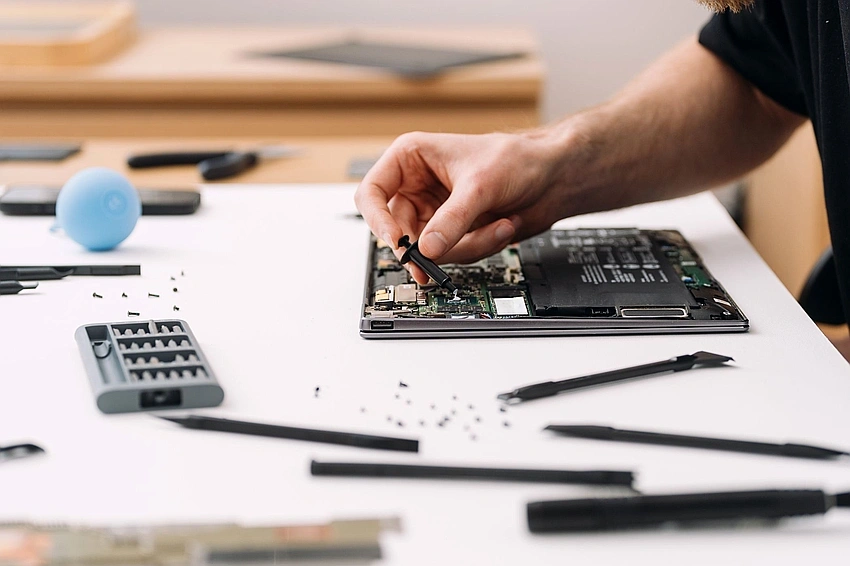
Fixing Our Future: The Battle for Your Right to Repair
Is it fair that companies make gadgets impossible to fix? The "Right to Repair" movement wants to change that, saving you money and saving the planet.
Tired of Unfixable Tech? You’re Not Alone.
Remember when you could easily replace a battery or a screen without needing a specialized degree or voiding your warranty? For many of us, those days feel long gone. Our modern world is filled with sleek, sophisticated devices, but they often come with a hidden cost- the inability to fix them when they break.
It's often by design, and it's fueling a global debate about consumer rights, sustainability, and economic fairness.
The Engineered Obsolescence Trap
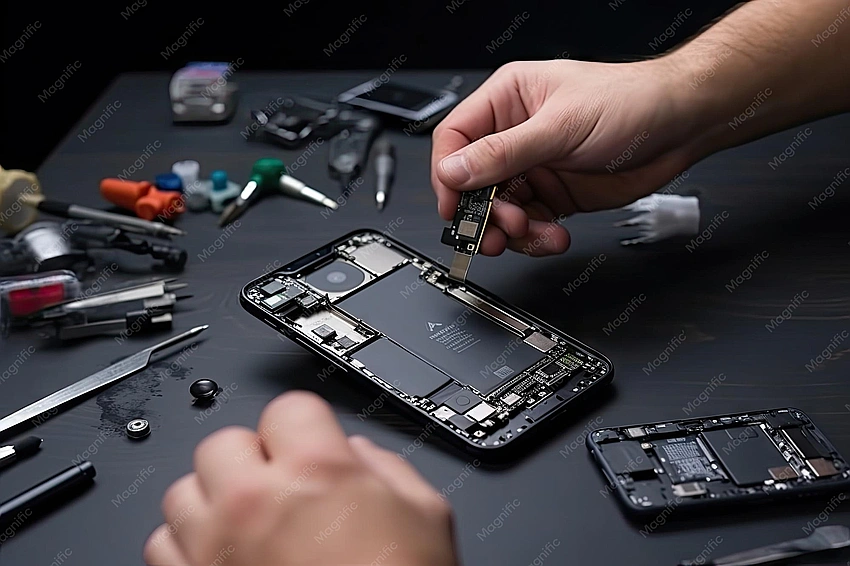
From smartphones to tractors, companies are increasingly making their products difficult, if not impossible, for consumers or independent repair shops to fix. This can manifest in several ways: proprietary screws, glued-shut components, unavailability of spare parts, or even software locks that prevent third-party repairs. The result?
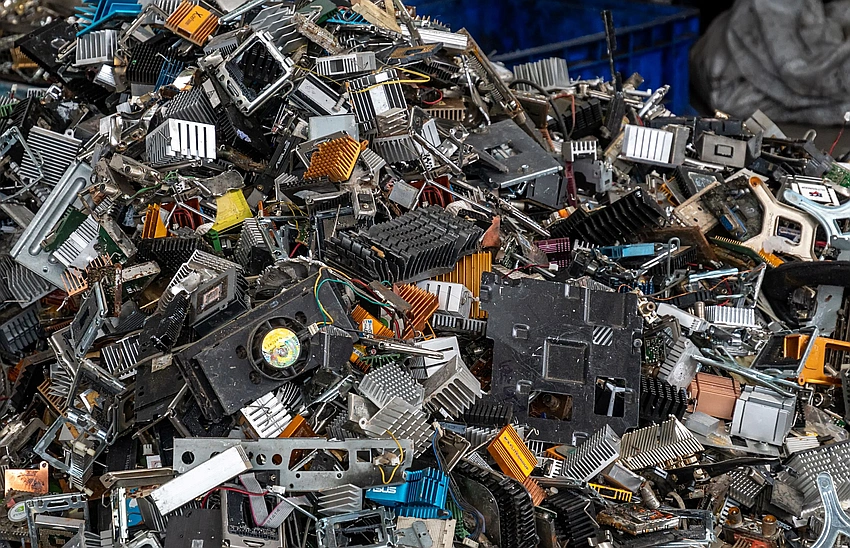
A perfectly good device with a minor fault becomes a brick, forcing you to buy new. It's devastating for the environment, contributing significantly to the ever-growing mountain of e-waste.
What is the 'Right to Repair' Movement?
The 'Right to Repair' is a legislative movement pushing for laws that would require manufacturers to make parts, tools, and repair information, like schematics and diagnostic software, available to consumers and independent repair shops at fair market prices. It's about empowering individuals to extend the life of their purchases, rather than being forced into expensive manufacturer repairs or outright replacements.
As iFixit CEO Kyle Wiens puts it, “If you can't fix it, you don't own it.” This isn't a radical idea; it's a return to common sense.
Benefits Beyond Your Bank Account
The most immediate benefit for consumers is financial savings.
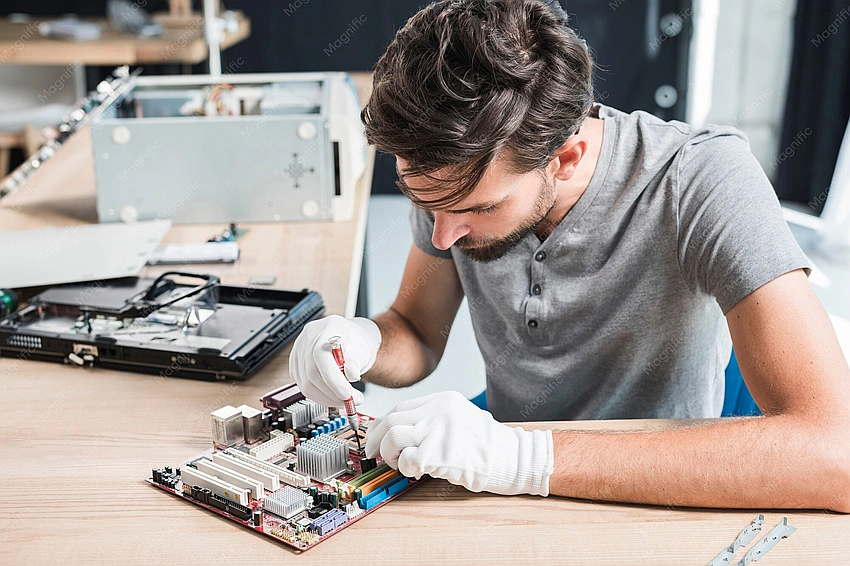
Imagine replacing a laptop battery for $50 instead of buying a new $1000 machine. But the impact extends much further.
Environmentally, easier repairs mean less e-waste clogging landfills and fewer resources extracted to produce new devices. Economically, it can foster local repair economies, creating jobs and supporting small businesses. It also promotes innovation, encouraging companies to build more durable, modular products rather than disposable ones.
This shift could redefine our relationship with technology, prioritizing longevity over fleeting trends.
The Corporate Pushback and the Path Forward
Naturally, not everyone is thrilled about the 'Right to Repair.' Manufacturers often cite concerns about intellectual property theft, safety risks from untrained repairs, and potential revenue loss from part sales and new device purchases. They argue that only their certified technicians have the expertise to ensure product integrity.
However, proponents counter that basic repairs are well within the capabilities of many, and that manufacturers could still profit from selling parts and tools. Governments, from the EU to several US states, are starting to listen, with landmark legislation beginning to pass. The tide is turning, slowly but surely, towards a future where repair is a right, not a privilege.

A Future Where Everything Lasts?
The 'Right to Repair' isn't just about fixing a broken phone; it's about fixing a broken system.
It's about demanding accountability from corporations and reclaiming ownership over the products we buy.
As this movement gains momentum, we're not just talking about convenience; we're talking about a more sustainable, equitable, and empowered future for everyone.
Are you ready to join the repair revolution?
