Pioneering elephant conservationist Iain Douglas-Hamilton dies at 83

Pioneering elephant conservationist Iain Douglas-Hamilton dies at 83
Iconic elephant conservationist Iain Douglas-Hamilton dies at 83; his pioneering fieldwork helped ban ivory trade and protect elephants from poachers.
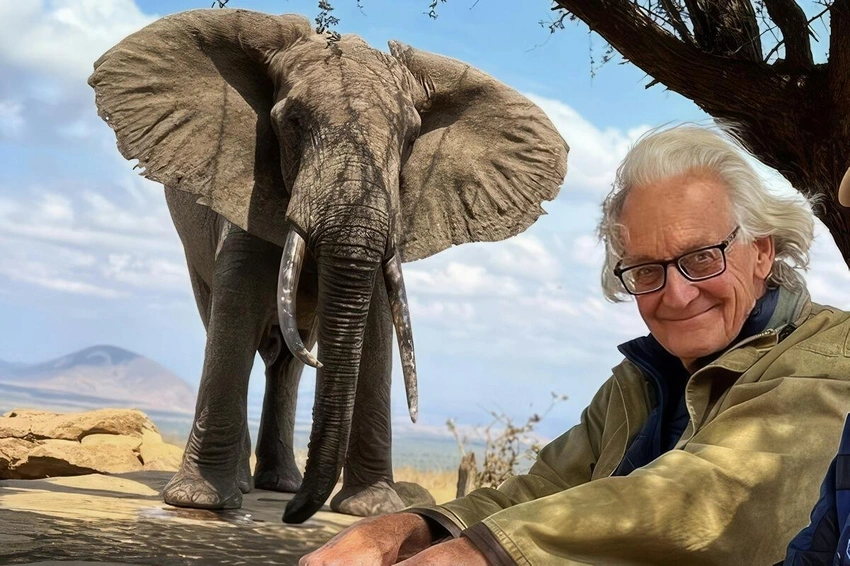
Iain Douglas-Hamilton, a pioneering elephant conservationist, has died at 83. Born in 1942 in Dorset, England, he studied biology and zoology in Scotland and at Oxford before heading to Tanzania to study elephant social behaviour. It was at Lake Manyara National Park that he began documenting every elephant he encountered, eventually learning to recognize individuals by the shapes of their ears and the wrinkles on their skin. The thing about elephants is that they have a lot in common with human beings, he said in a 2024 documentary about his work, A Life Among Elephants.
Friends and fellow conservationists recall how careful fieldwork translated into policy. Jane Goodall, who died in October, was featured in the documentary and said he had shown the world that elephants are capable of feeling just like humans, and that his legacy will be one of a man who did so much to help people understand how majestic, how wonderful elephants are.
Douglas-Hamilton's work helped push the ban on the international ivory trade and contributed to greater protection for elephants against poaching. His observations bridged science and advocacy, inspiring researchers, policymakers, and communities to value elephants for their place in ecosystems and cultures.
His passing leaves a gap in conservation circles, but his legacy endures in ongoing efforts to safeguard elephants and their habitats. As anti-poaching campaigns expand and scientists continue to study elephant social life, the foundations he laid remain a touchstone for field biology and wildlife protection.
