Rare Ebola Strain Hits Congo and Uganda: 43 Dead as Health Officials Race for Control

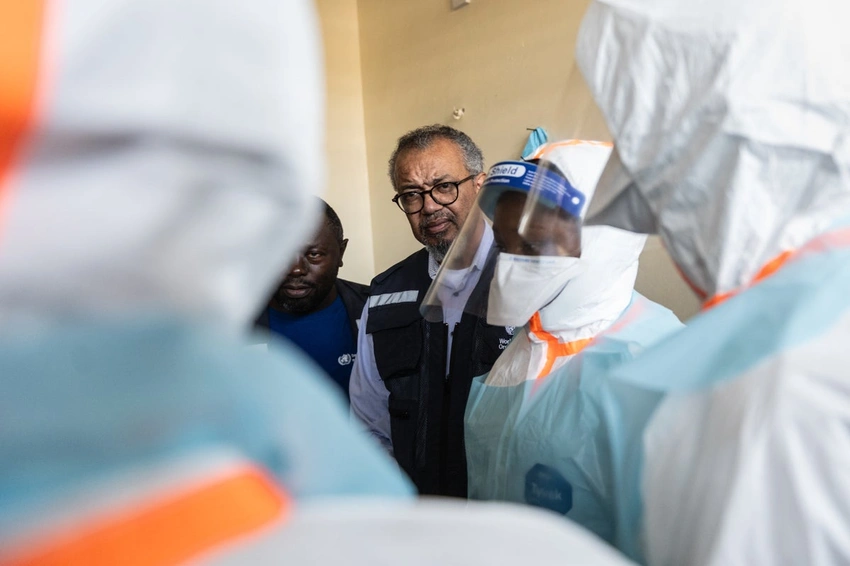
Rare Ebola Strain Hits Congo and Uganda: 43 Dead as Health Officials Race for Control
Health officials are sounding the alarm as a rare strain of Ebola spreads across Congo and Uganda. With 263 confirmed cases and 43 deaths, find out the latest on the response.
Health officials in Africa are currently on high alert as a rare strain of the Ebola virus continues to spread across the Democratic Republic of Congo and Uganda. According to recent reports from the Africa Centres for Disease Control and Prevention, there are now 263 confirmed cases and at least 43 deaths linked to the outbreak. What makes this particular situation more complex is the involvement of the rare Bundibugyo strain, which is less common than the Zaire strain many are familiar with.
While the numbers are concerning, with over 1,100 suspected cases currently being investigated, there is a glimmer of hope. The World Health Organization (WHO) recently announced that five patients have successfully recovered from the virus in eastern Congo. This is significant because it marks the first documented recovery from the Bundibugyo strain during this specific outbreak. Four of these patients are already set to be discharged from a newly opened treatment center designed to handle the surge in cases.
This outbreak is now being recognized as the 17th to hit the Democratic Republic of Congo and is currently the third-largest since the virus was first discovered fifty years ago. Despite the experience local health workers have with the virus, the response is struggling to keep pace. Many health officials and aid workers have reported a desperate lack of basic medical supplies, including masks, partly because the initial spread of the virus went undetected for several weeks.
Jean Kaseya, the Director-General of the Africa CDC, has emphasized that national incident systems must be activated rapidly to prevent further spread. He also pointed out that while international support is crucial, it is most effective when it follows the strategies developed by African institutions themselves. The WHO has officially declared the situation a public health emergency of international concern, urging people to seek early medical attention despite some community resistance to treatment.
As the world watches, the focus remains on ramping up investments in pandemic preparedness to ensure that health systems aren't just reacting to emergencies, but are permanently ready to face them. For now, the opening of new treatment centers and the success of early recoveries provide a necessary roadmap for tackling one of the region's most challenging health crises in recent history.
['#EbolaOutbreak', '#PublicHealth', '#AfricaCDC']
