Hunted: Doc Exposes Brutal 'Kito' Attacks on LGBTQ+ Nigerians

Hunted: Doc Exposes Brutal 'Kito' Attacks on LGBTQ+ Nigerians
Bel Trew's powerful documentary 'Hunted' reveals horrific 'kito' attacks targeting LGBTQ+ individuals in Nigeria. Reverend Jide Macaulay urges global action against these human rights abuses. A must-watch call to action!
A powerful new documentary, "Hunted: Kidnapped, blackmailed and tortured for being LGBTQ+" by chief international correspondent Bel Trew, is shedding a harsh light on the harrowing realities faced by LGBTQ+ individuals in Nigeria. The film brings to the forefront the brutal "kito" attacks, a terrifying phenomenon involving the kidnapping, blackmail, extortion, and torture of people perceived to be gay or bisexual. These stories are not just statistics; they represent a deeply human struggle for survival and dignity in the face of extreme intolerance.
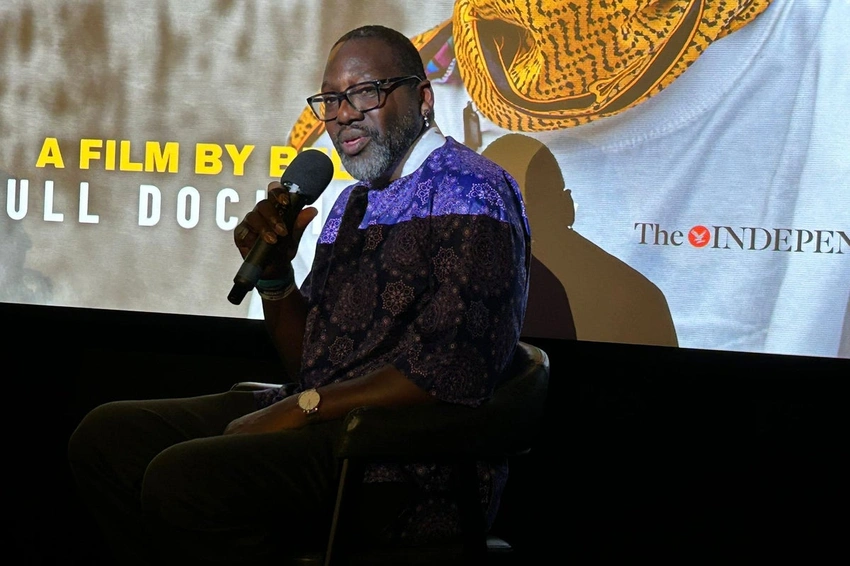
Reverend Jide Macaulay, a gay reverend who himself was forced to leave Nigeria due to persecution, underscores the urgency of the documentary's message. He has dedicated his life to supporting vulnerable LGBTQ+ people in Nigeria and views the film as both a warning and a vital call to action. Macaulay emphasizes that the subjects in the film are his friends, bravely confronting injustice in a country where human rights for the LGBTQ+ community are severely threatened. He insists that efforts to improve these lives must be supported, not crushed by discrimination and violence.
The documentary recounts harrowing experiences, including those of Amed and Moussa, survivors of "kito" attacks. These victims are frequently lured into dangerous situations online, only to be subjected to horrific abuse with little hope for justice or protection. Their accounts highlight the severe human rights violations that continue to endanger the safety and well-being of LGBTQ+ Nigerians. These incidents are not isolated; they are part of a broader pattern of daily discrimination, poverty, violence, and limited access to essential services.
Another compelling story is that of Riri, a transgender woman and sex worker. Her life is marked by rejection from her family and community, severe economic hardship, and significant barriers to healthcare. Riri's struggle to maintain access to HIV treatment powerfully illustrates how stigma and discrimination compound the challenges for those already marginalized. For many transgender individuals, access to healthcare is not merely a medical concern but a matter of sheer survival.
The timing of this documentary is critical, as global humanitarian funding is shrinking and HIV services are under increasing pressure. Reverend Macaulay's call for action resonates deeply, urging the international community not to sit back and do nothing while human rights continue to be violated. The film serves as a poignant reminder that concerted efforts are needed to address the systemic discrimination and violence plaguing the LGBTQ+ community in Nigeria, ensuring that their voices are heard and their rights are protected.
