Quick & Efficient Sidewalk Repair Brooklyn: Ensure Safety and Compliance

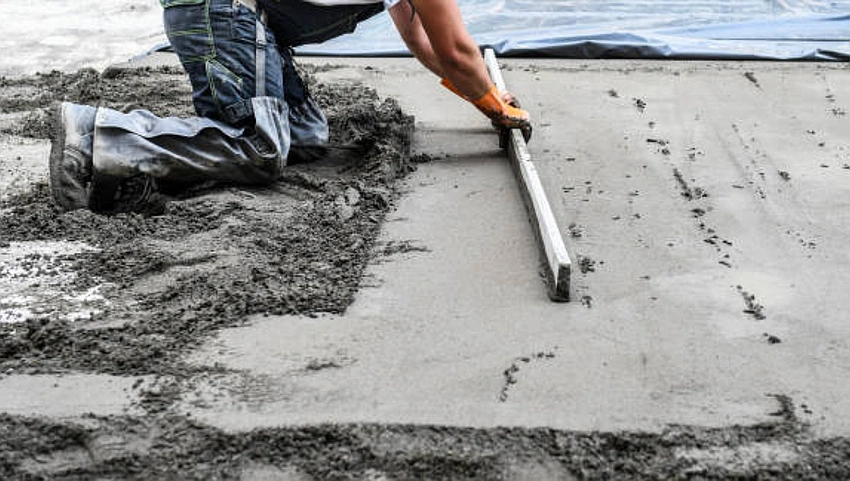
Quick & Efficient Sidewalk Repair Brooklyn: Ensure Safety and Compliance
Owning property in New York City comes with a unique set of responsibilities, and perhaps none is more critical—or more overlooked—than the condition of the pavement beneath your feet. In 2026, the stakes for maintaining a safe walkway have never been higher. Whether you are navigating the historic brownstone-lined streets of Kings County or the bustling commercial hubs of the North, sidewalk repair Brooklyn 🔗 services are essential for avoiding costly legal liabilities and hefty municipal fines.
If you have recently received a Notice of Violation from the NYC Department of Transportation (DOT) or noticed a dangerous trip hazard developing in front of your building, this guide is for you. We will dive deep into the regulations, costs, and the most efficient ways to restore your property’s curb appeal while ensuring full compliance with city standards.
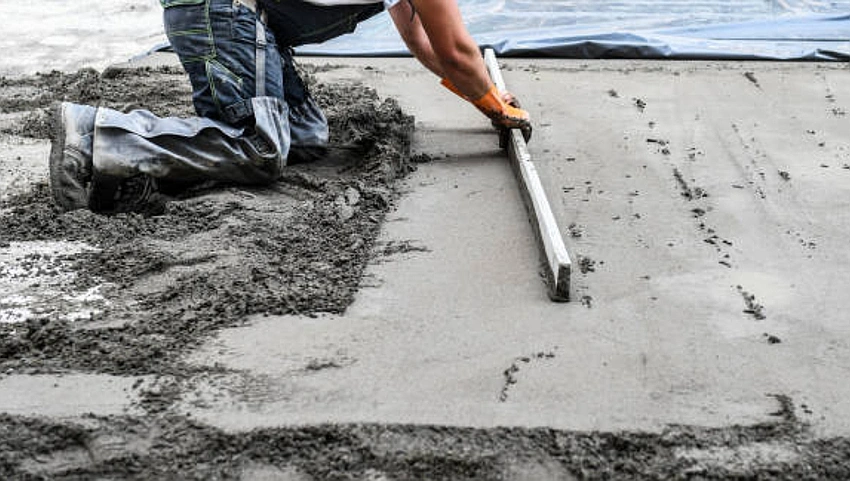
Understanding NYC Sidewalk Laws: Who Is Responsible?
In New York City, Administrative Code § 7-210 places the legal and financial burden of sidewalk maintenance squarely on the shoulders of the property owner. This means that if a pedestrian trips on a cracked slab or an uneven joint in front of your home or business, you—not the city—are potentially liable for any resulting injuries.
The NYC DOT conducts regular inspections across all five boroughs. When an inspector identifies a defect—such as a trip hazard greater than 1/2 inch, a collapsed slab, or extensive "alligator" cracking—they issue a Sidewalk Violation. While this isn't a direct fine, it acts as a lien on the property record, which can prevent you from selling or refinancing until the work is completed and "dismissed" by the city.
Common Reasons for Violations in Brooklyn
- Tree Root Heaving: Brooklyn’s lush canopy is beautiful, but expanding roots often lift concrete slabs, creating dangerous slopes and uneven surfaces.
- Structural Voids: Soil erosion underneath the concrete can lead to "hollow" sounds, sinking flags, or sudden collapses.
- Hardware Defects: Improperly leveled utility covers, drainage grates, or cellar doors that create a height differential.
- Improper Slope: Water pooling on the sidewalk due to poor drainage is a major compliance issue, as it creates ice hazards in the winter.
The Cost of Sidewalk Repair in Brooklyn (2026 Data)
Budgeting for repairs requires an understanding of current market rates. While prices fluctuate based on material costs and labor availability, owners should be prepared for the following financial considerations.
For standard residential concrete (4 inches thick), the market rate currently sits between $12 and $18 per square foot. This typically results in a total project range of $1,500 to $3,500 for a standard lot frontage. If the repair involves a driveway or heavy-loading zone requiring 7-inch reinforced concrete, costs increase to $18 to $25 per square foot.
Landmark materials, such as Bluestone or specialized pigmented concrete required in historic districts, are significantly more expensive, often exceeding $40 per square foot. It is important to note that if you allow the city to perform the repairs through their "Expedited Repair Program," you will likely be billed at a higher premium—currently around $27 per square foot—regardless of whether the materials used are standard or premium.
Solving the Violation: A Step-by-Step Guide
If you’ve been served a notice, don't panic. You typically have 75 days to perform the repairs yourself (via a contractor) before the city sends their own crews and sends you the bill.
1. Hire a Licensed Professional
You must use a contractor licensed by the NYC Department of Consumer and Worker Protection (DCWP). For most property owners, NYC Sidewalk Repair 🔗 is the gold standard for navigating the complex paperwork and physical labor required. They specialize in "DOT-spec" concrete, ensuring the mix and finish meet the city’s rigorous 4,000 PSI requirements.
2. Secure the Right Permits
A Sidewalk Construction Permit is mandatory for any work involving the removal of more than 25 square feet or the clearing of a violation. The current fee is approximately $70 for up to 300 linear feet. If your property is in a Landmark District, you will also need approval from the Landmarks Preservation Commission (LPC), which can add time to your project schedule.
3. Execution of Work
The old, damaged concrete must be broken up and hauled away to a proper recycling facility. The sub-base—usually a layer of screenings or gravel—is leveled and compacted to provide a stable foundation. Formwork is then set, and the concrete is poured, finished with a non-slip broom texture, and expansion joints are cut at specific intervals to prevent future cracking due to temperature changes.
4. The Dismissal Inspection
Once the work is done, your contractor or you must call 311 to schedule a dismissal inspection. A DOT inspector will verify that the defects are gone and the work matches city codes. Only after this "sign-off" is the violation removed from your property’s record.
Beyond Brooklyn: Managing Properties in the Bronx and Manhattan
Property managers with portfolios across the city must adapt to different neighborhood challenges.
In the northern reaches of the city, sidewalk repair bronx 🔗 projects often deal with the borough's unique topography. The hilly terrain in many Bronx neighborhoods leads to drainage issues and retaining wall complications that require specialized masonry skills to ensure the sidewalk remains level over time.
Conversely, sidewalk repair manhattan 🔗 is defined by logistical complexity. In the city's densest borough, high pedestrian traffic and underground vaults mean repairs often need to be done in "half-sections" or during off-peak night hours. This requires more complex "Occupancy of Sidewalk" permits and safety flaggers to protect the public.
Regardless of location, ensuring your contractor is familiar with the specific sidewalk repair brooklyn standards ensures that you avoid the most common pitfalls of NYC property ownership.
Case Study: Resolving a Tree-Root Heave in Park Slope
The Problem: A homeowner in Park Slope received a DOT violation for a 3-inch vertical lift caused by a mature London Plane tree. The city threatened to send their contractors, which would have cost the owner nearly $4,500.
The Solution: The owner hired a specialized contractor who coordinated with the NYC Parks Department. By obtaining a "Tree Work Permit," the contractor was able to carefully shave the non-critical roots and use "ramping" techniques—gradually sloping the concrete over the roots rather than cutting them.
The Result: The sidewalk was made safe and compliant for $2,800, the tree was preserved, and the violation was dismissed within 30 days.
Pros and Cons of Hiring a Private Contractor vs. City Repairs
Choosing between a private specialist and the City's automated repair program is a major decision for any owner.
Expert Tip: While the City's Expedited Repair Program seems convenient, you lose control over the timeline and the aesthetic finish. Private contractors almost always provide a smoother, more attractive finish that matches the rest of your property.
The Private Contractor Approach The primary benefits include better craftsmanship, faster scheduling, and professional assistance with permit paperwork. Most private specialists are incentivized to provide a higher quality finish to maintain their reputation. The main "con" is that it requires the owner to spend time vetting and hiring a reputable firm.
The NYC DOT Contractor Approach The biggest "pro" is simplicity; the city handles the logistics and you don't have to search for a worker. However, the "cons" are significant: costs are often 30-50% higher than market rates, you have no choice in materials, and the results can sometimes look like a "patchwork" job that doesn't align with the rest of your home's exterior.
Frequently Asked Questions (FAQs)
Q: Does the city fix sidewalks for free if a city tree caused the damage? A: Generally, no. However, for 1, 2, and 3-family owner-occupied residential properties, the city has a "Trees & Sidewalks" program where they may perform repairs at no cost, though the waiting list can be several years long.
Q: How long does a typical sidewalk repair take? A: Most residential projects are completed in 1 to 2 days. The concrete is usually "walkable" within 24 hours, though it takes 28 days to reach full structural strength.
Q: Can I just patch the cracks with hardware store cement? A: For very minor cosmetic issues, yes. However, if you have an official DOT violation, "patching" is not accepted. The city requires the full removal and replacement of the affected concrete flags (slabs).
Conclusion: Act Now to Protect Your Property
Maintaining your sidewalk is more than just a legal requirement; it’s an investment in your community’s safety and your property’s value. In the fast-paced environment of 2026, letting a violation linger can lead to escalating costs and unnecessary stress.
By choosing an expert for your sidewalk repair Brooklyn needs, you ensure that the job is done right the first time—meeting all DOT specifications and protecting you from future liability. Don't wait for a trip-and-fall lawsuit or a city-mandated bill to land on your doorstep.
Ready to clear your violation or fix that hazardous walkway? Contact a local expert today for a free estimate and take the first step toward a safer, more beautiful property.
Would you like me to help you look up the current permit status of your property or provide a list of required documents for a Landmarks Commission filing?

Login to comment.
No thots yet. Be the first to share your thoughts!