Priyank Kharge accuses RSS of money laundering, calls for tax scrutiny

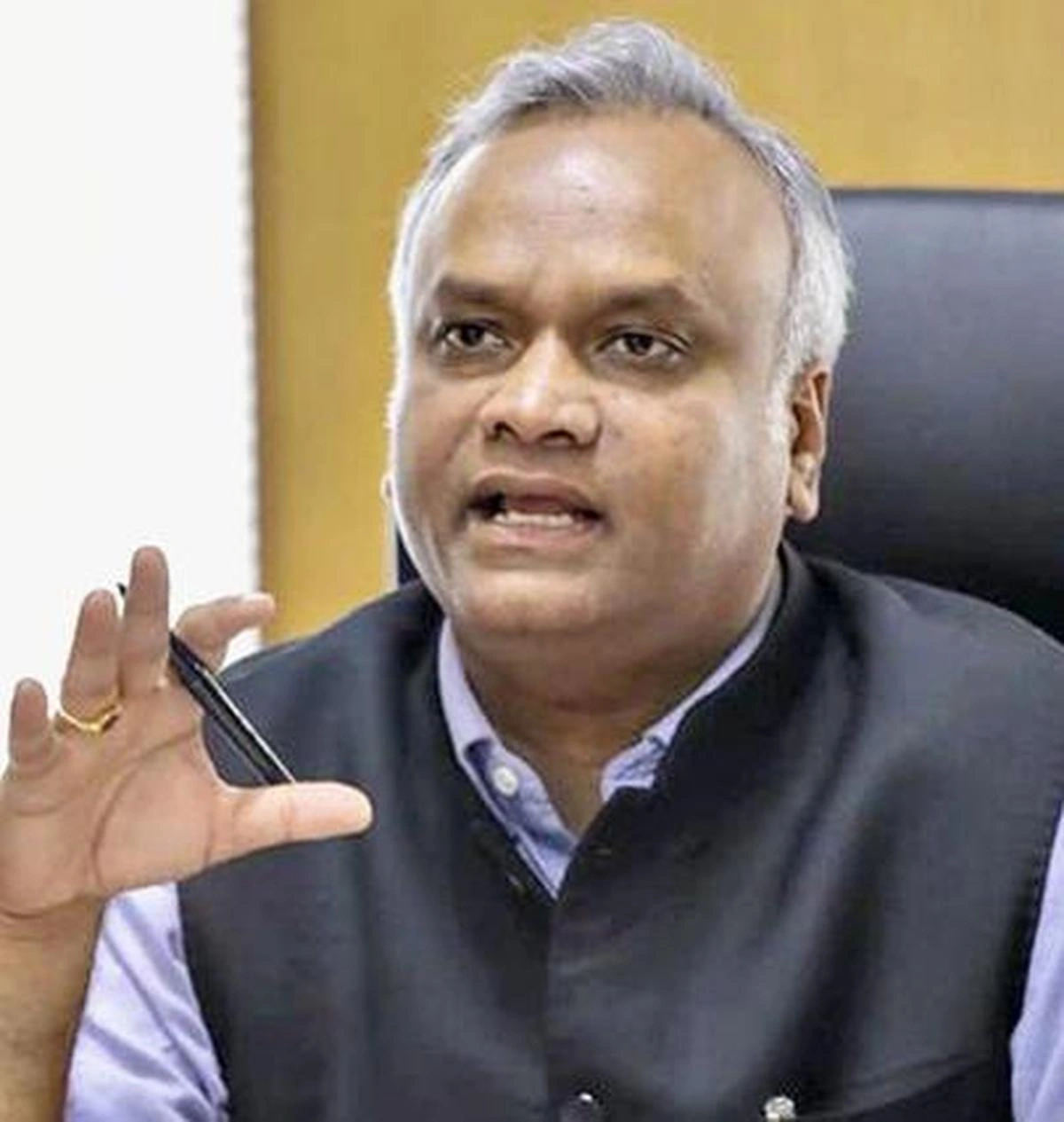
Priyank Kharge accuses RSS of money laundering, calls for tax scrutiny
Karnataka minister Priyank Kharge alleges money laundering and tax evasion by RSS, urging constitutional accountability and tax compliance.
Karnataka minister Priyank Kharge has leveled a high-stakes charge against the Rashtriya Swayamsevak Sangh, alleging that the organization is involved in a money laundering racket and raising questions about where its funds come from. He said the RSS, which is widely viewed as the ideological mentor of the ruling party’s political bloc, operates through financial channels that are not transparent and demanded a full accounting under the law. The minister argued that the organization should be scrutinized for its income streams with the same standards that apply to other citizens and entities under the Constitution and legal framework.
Kharge pressed the case by asserting that RSS operates as an unregistered organization and urged authorities to bring it within the tax regime, insisting that it must pay taxes like any other group that engages in income activity. He emphasized the need for accountability and urged institutional mechanisms to examine the sources of RSS funds, arguing that transparency in funding is essential for public trust and constitutional propriety.
The allegations add to a broader debate over political funding and the governance of organizations tied to or associated with major political movements. While Kharge’s comments have sparked sharp reactions and counterpoints in political circles, supporters of stricter financial scrutiny say the call reflects growing public demand for clarity about how political and ideological groups are financed. Critics, however, caution that such charges should be backed by due process and robust evidence before conclusions are drawn, noting the importance of maintaining a fair investigative process.
If proven, the charges could have far-reaching implications for how volunteer-based and semi-private outfits are regulated and taxed within the Indian legal system. The conversation touches on whether non-governmental groups acting in a political sphere should be subject to the same tax and reporting norms as other entities, and how constitutional guarantees interact with contemporary questions of funding transparency. The matter remains unresolved, with opponents and proponents alike watching for official investigations or statements that could clarify the path forward in this contentious arena.
As the discourse unfolds, residents of Bengaluru and political observers will be looking for clarity on the legal standards applied to such organizations, and whether this episode signals a shift toward greater financial scrutiny of influence-driven groups in Indian politics.
