Is Politeness Dead? The Quiet Erosion of Our Social Fabric

Is Politeness Dead? The Quiet Erosion of Our Social Fabric
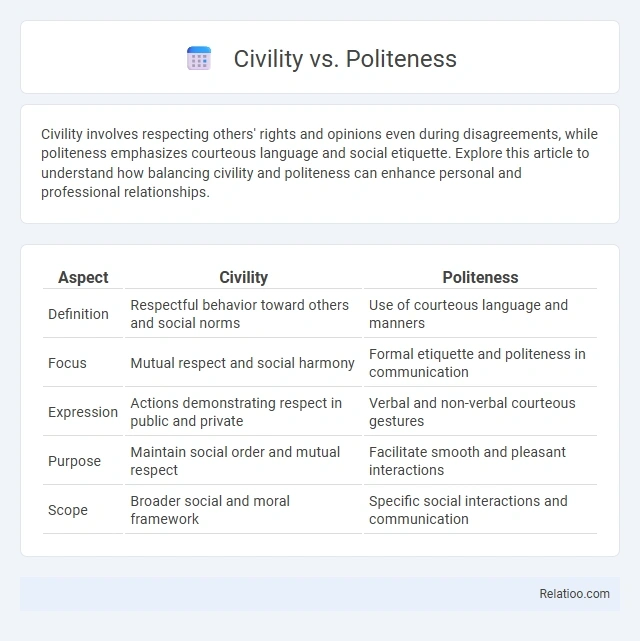
Ever feel like basic decency is disappearing? This article explores how declining social etiquette is quietly undermining trust and civility in our public and online lives, and why we desperately need it back.
Is Politeness Dead? The Quiet Erosion of Our Social Fabric
Remember when a simple “please” or “thank you” felt like the default, not a rare gem? Or when disagreeing with someone didn't automatically escalate into a personal attack? It feels like ages ago, doesn't it?
The air around us, especially in public spaces and online, often hums with a low frequency of impatience, disregard, and outright rudeness.
It's about the subtle, yet profound, erosion of the invisible glue that holds societies together.
The Cracks in the Pavement
We often dismiss rudeness as isolated incidents, but collectively, they chip away at our sense of community and safety. Think about the driver who cuts you off without a signal, the person talking loudly on their phone in a quiet café, or the venomous comments festering beneath an online post. They're symptoms of a deeper malaise, signaling a diminishing return on empathy and a growing comfort with overt disrespect.
Sociologist Erving Goffman, in his work on “The Presentation of Self in Everyday Life,” explored how we perform social roles and maintain face. When politeness declines, these delicate social performances break down, leading to awkwardness, conflict, and a general unease. We become wary, expecting the worst, and thus, trust- that fundamental bedrock of social interaction- begins to crumble.
The Psychological Toll of Perpetual Annoyance
Living in a constant state of mild aggravation takes a toll. Psychologists note that regular exposure to incivility can lead to increased stress, anxiety, and even a feeling of burnout.
It makes us less likely to engage, less willing to help, and more inclined to retreat.
My friend Sarah recently told me about avoiding a local grocery store because of a particular cashier's consistent curtness. “It just ruins my day before it even starts,” she sighed.
These small, daily encounters aggregate, creating a broader environment of tension.
This phenomenon echoes aspects of the “broken windows theory” in criminology, adapted for social norms. The idea is that minor signs of neglect- like a broken window- can signal that no one cares, leading to more serious problems. Similarly, when basic politeness is neglected, it can implicitly signal that the rules of social conduct are lax, inviting further incivility and making truly egregious behavior seem less shocking.
Where Did Our Manners Go?
So, what happened? A myriad of factors contribute. The digital age, for one, provides a shield of anonymity, fostering what psychologists call the “online disinhibition effect.” People feel freer to say things they'd never utter face-to-face.
Political polarization has also fueled a sense of tribalism, where 'the other side' is dehumanized, making respectful dialogue seem impossible.
Our fast-paced, individualistic culture often prioritizes efficiency over human connection, sometimes at the expense of common courtesy.
But politeness isn't weakness; it's strength. It's an act of respect, an acknowledgment of another person's humanity. As Lady Mary Wortley Montagu wisely observed centuries ago, “Civility costs nothing and buys everything.” It costs nothing to offer a genuine apology, to let someone go ahead of you, or to listen patiently.
Yet, these small gestures can buy goodwill, de-escalate tension, and rebuild those delicate social bonds.
Reclaiming the Art of Decency
Is there a way back? Absolutely. It starts with us.
Choosing kindness, patience, and respect in our daily interactions- online and off- isn't about being a doormat; it's about actively cultivating the kind of world we want to live in. It's about remembering that every interaction, no matter how brief, is an opportunity to reinforce the social fabric, not fray it further. Let's make politeness cool again.
