Soaring Gas Prices Threaten Republican Midterm Chances

Soaring Gas Prices Threaten Republican Midterm Chances
Rising gas prices, widely attributed to President Trump's Iran policy, are jeopardizing Republican midterm prospects. Voters in key districts feel the pinch, making the cost of living a top issue that could sway the Nove
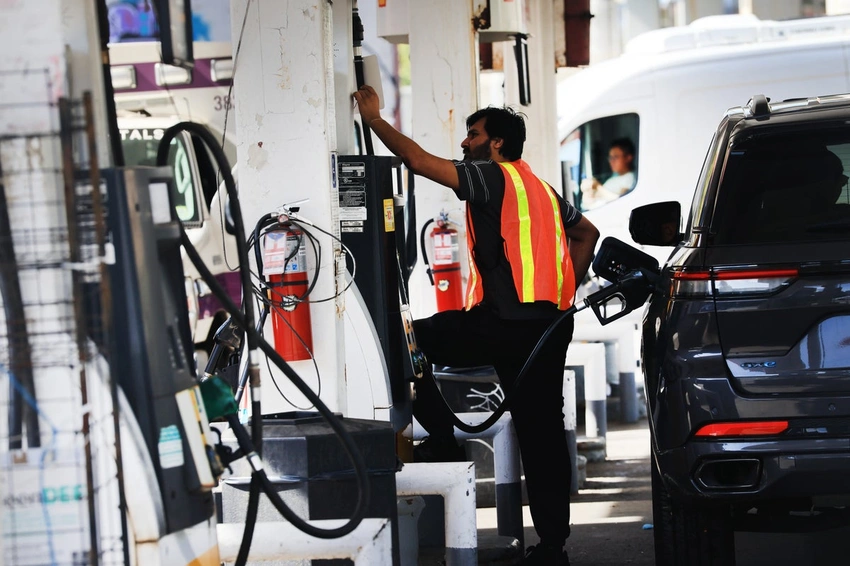
Soaring gas prices are emerging as a major threat to Republican prospects in the upcoming midterm elections, with many observers linking the current economic strain directly to President Trump's foreign policy decisions. Less than two months before voters head to the polls, gas prices have jumped 37 percent compared to a year ago, while home-heating oil is up 52 percent and diesel a staggering 69 percent.
These increases are not expected to subside as long as the conflict with Iran continues. An attack last week on a Saudi oil pipeline, which transports about 4 percent of the world's oil supply, further exacerbated the situation.
Despite these figures, President Trump last week stated he wasn't worried, asserting U.S. control over the Strait of Hormuz and predicting that oil prices would “tumbling downward” right after the election. However, political scientists widely agree that gas prices significantly sway voter behavior. While voters typically understand that a president isn't solely responsible for global oil prices, this time, the situation is different.
Experts suggest that the “oil shock” stemming from Trump's chosen conflict with Iran is the primary driver of current inflation.
Inflation in all non-energy consumer purchases has remained relatively low, at just 2 percent over the past year, highlighting the disproportionate impact of energy costs.
Should Democrats manage to reclaim control of the House and Senate in November, despite a challenging electoral map, the “Trump effect” on gas prices could be the decisive factor. Voters dislike inflation, and rising gas costs are particularly difficult to ignore. Economists note that price increases directly translate to reduced real wages, a fact keenly felt by consumers.
The impact is most pronounced for those who drive frequently, such as residents of rural and exurban areas, often Republican strongholds with longer commutes.
Research indicates that the average voter in a Republican-held district drives 26 percent more miles than their counterpart in a Democratic district, making them more susceptible to gas price increases. These areas, which went heavily for Trump in previous elections, are precisely where Democrats need to gain ground to secure a Senate majority.
While gerrymandering has created more Republican-leaning districts, it has also spread their advantage more thinly, opening opportunities for Democrats in a “wave election” scenario.
Current generic congressional polls show Democrats leading Republicans by about seven points.
President Trump's approval rating has seen a continuous decline since he took office for a second term, hovering around 38 percent since August. The cost of living is cited by voters as their top concern, and only 25 percent approve of Trump's handling of the issue, a nine-point drop since the conflict with Iran began.
For Republican candidates in competitive races, distancing themselves from the President might be their best strategy to avoid a gas-price backlash. However, Trump has complicated this by rallying support for himself, as seen at a recent midterm convention in Dallas where he had attendees pledge allegiance to him.
This dynamic puts Republican candidates in a tough spot as they navigate voter dissatisfaction over rising costs.

Login to comment.
No thots yet. Be the first to share your thoughts!