DOJ Tracks Lawmakers' Epstein File Searches, Sparking Backlash

DOJ Tracks Lawmakers' Epstein File Searches, Sparking Backlash
The DOJ confirms it logs lawmakers’ Epstein file searches to protect victims, prompting claims of spying and new calls for oversight.
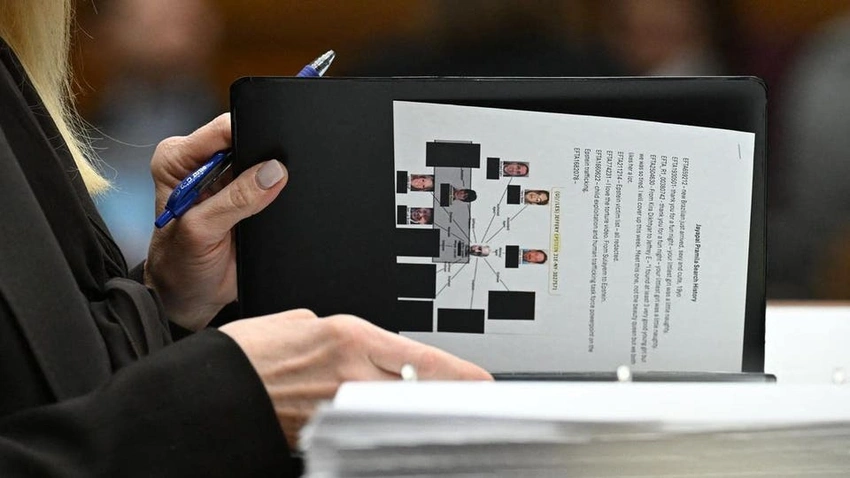
The Department of Justice has confirmed it maintains logs of congressional searches into Epstein-related files. Officials say the practice is meant to shield victim information and prevent accidental disclosures during sensitive investigations.
Texas State Rep. Ann Johnson, who previously served as Chief Human Trafficking Prosecutor, and Rep. Pramila Jayapal have criticized the move, arguing that logging search activity could amount to spying on lawmakers and chill oversight conversations.
The DOJ contends the logging is not about political scrutiny but about security and privacy protections—ensuring victims’ identities aren’t exposed and reducing the risk of compromising ongoing matters.
House Speaker Mike Johnson has voiced concerns about the precedent this sets, emphasizing the need for clear rules and transparency to govern how sensitive information is handled by federal agencies.
The core debate centers on where to draw the line between safeguarding victims and preserving the autonomy of Congress to conduct oversight. Proponents argue that well-defined safeguards are essential, while critics call for independent review and more robust public accounting.
As the Epstein file saga continues to unfold, observers say the current dispute could influence how agencies manage sensitive information and how lawmakers press for oversight in the future.
