SpaceX’s Biggest Starship Yet Ends Test Flight with Fiery Indian Ocean Splash

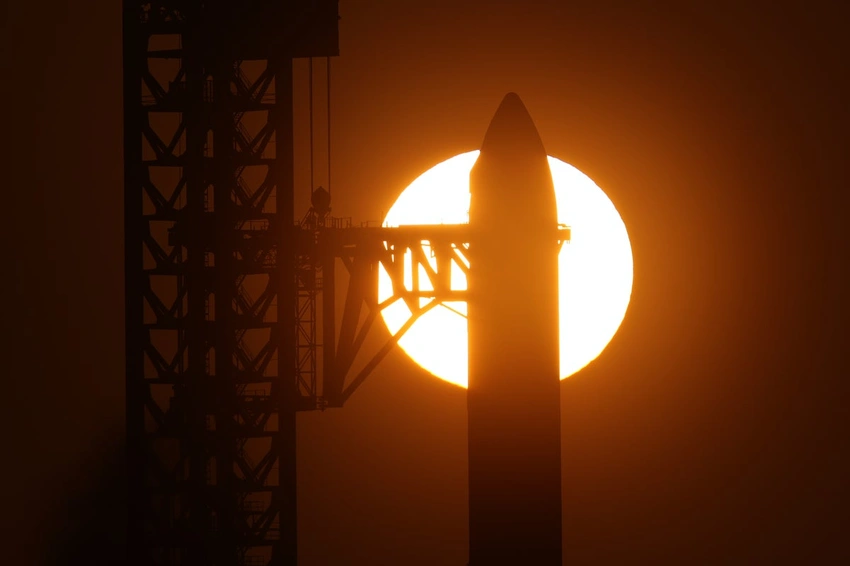
SpaceX’s Biggest Starship Yet Ends Test Flight with Fiery Indian Ocean Splash
SpaceX launched its most powerful Starship yet from Texas, releasing 20 mock satellites before a fiery landing in the Indian Ocean. Here is why the explosion was expected.
SpaceX just took another giant leap toward the stars with the launch of its most powerful Starship to date. Blasting off from the southern tip of Texas on Friday, this massive, redesigned mega-rocket represents the latest evolution in the spacecraft that NASA is counting on to eventually return astronauts to the lunar surface. This 12th test flight wasn't just about show; it carried a payload of 20 mock Starlink satellites, which were successfully released during the hour-long journey that stretched halfway around the world.
The mission wasn't without its hurdles, as the spacecraft encountered some engine trouble during its high-speed trek across the globe. However, the Starship successfully reached its planned destination in the Indian Ocean. Upon impact with the water, the vehicle erupted in a spectacular burst of flames. While a massive fireball might look like a catastrophic failure to the casual observer, SpaceX officials were quick to clarify that the fire was not unexpected for this stage of the experimental flight. In the world of rapid prototyping, these fiery finishes provide invaluable data for the engineers back on the ground.
This launch comes at a pivotal moment for the aerospace giant. Just days before the Starship took flight, CEO Elon Musk made waves by announcing plans to take the company public, adding a layer of financial intrigue to these high-stakes tests. As SpaceX continues to refine the Starship’s design and capabilities, the ultimate goal remains clear: building a reliable transportation system capable of carrying humans to Mars. Every splashdown and every successful satellite deployment brings the company one step closer to making life multi-planetary. For now, the team will be busy analyzing the data from this Indian Ocean landing to prepare for the next big leap.
