Vadra: Growing calls for Priyanka Gandhi as PM from all sides

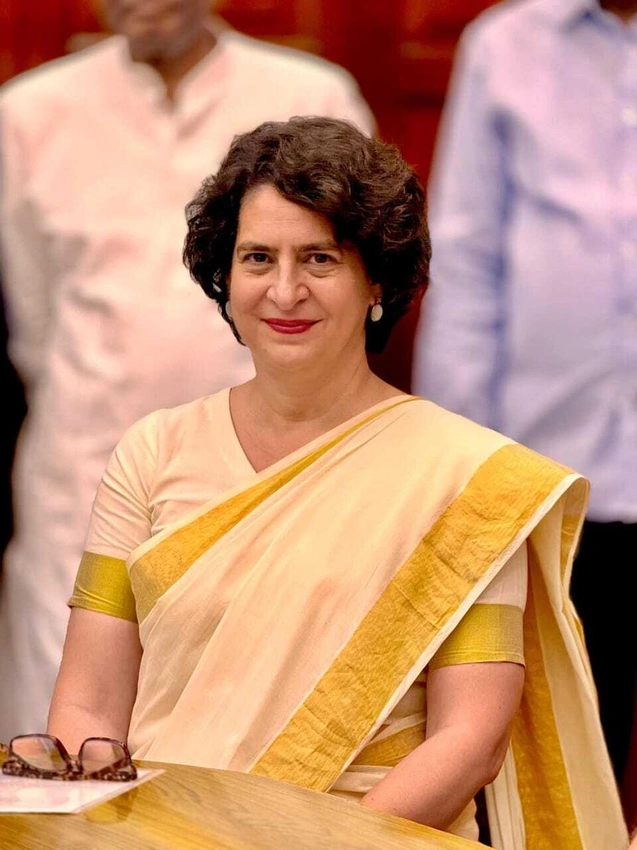
Vadra: Growing calls for Priyanka Gandhi as PM from all sides
Robert Vadra says there are growing demands for Priyanka Gandhi to lead as PM, signaling a heightened push within Congress amid regional tensions.
A wave of opinion within the Congress is fueling discussion about Priyanka Gandhi Vadra potentially taking on the role of Prime Minister, with her husband acknowledging rising calls for her leadership. In remarks that underscored the party’s shifting dynamics, Robert Vadra said there are also demands that he should enter politics, illustrating how the family name has become a focal point in internal conversations about the party’s future. The comments reflect a broader discourse within the Congress about presenting a new face to voters ahead of elections, while the family has repeatedly said the focus remains on issues facing the public rather than on personal ambitions.
At the same time, a senior Congress voice added that Priyanka’s candidacy could galvanize support by presenting a decisive leadership alternative. Imran Masood, a Congress MP, pitched Priyanka as a potential PM and claimed there would be a decisive treatment if she took charge, drawing a controversial parallel to Indira Gandhi’s leadership style. Masood’s remarks arrived amid international attention on the political climate surrounding minority rights and security, including protests in Dhaka over violence against minorities. The incident surrounding a Hindu youth, Dipu Chandra Das, and his alleged blasphemy-related case has sharpened warnings about the consequences of communal tensions, complicating the political narrative in the region.
While Vadra acknowledged there are demands for leadership change from various quarters, he stressed that the focus should remain on real issues facing citizens rather than on speculation about who might lead the country. The exchanges reveal how alliances and family names continue to shape debate within Indian politics, even as the party seeks cohesive messaging ahead of a tightly watched electoral cycle. The evolving dialogue hints at a broader strategy to mobilize support around a fresh leadership persona, while navigating sensitive regional and international issues that influence voters’ perceptions of readiness and stewardship.
