Nolan’s ‘Odyssey’: Whose Mythology Is It Anyway? Hollywood vs. Heritage

Nolan’s ‘Odyssey’: Whose Mythology Is It Anyway? Hollywood vs. Heritage
Christopher Nolan’s The Odyssey is sparking massive online debate. Is ancient Greek mythology universal, or is Hollywood appropriating a regional heritage?
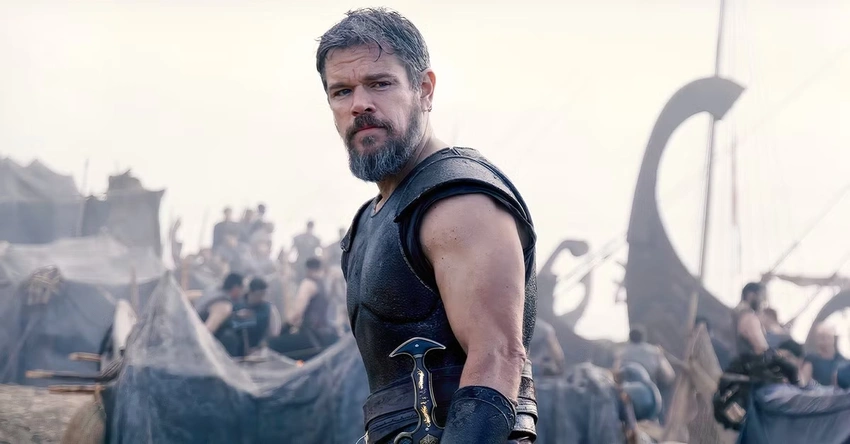
The digital airwaves are buzzing, and the cause? Christopher Nolan's ambitious 2026 epic, “The Odyssey.” Yet, the hype isn't solely about his signature non-linear narrative or practical effects. Instead, it's ignited a firestorm of internet debates centered on cultural ownership: particularly, the absence of Greek actors and the contentious casting of Helen of Troy.
It's a profound examination of how ancient mythology is - and should be - treated in the 21st century cinematic landscape.
 Hollywood's Universal Claim to the Classics
For decades, Hollywood has operated under the implicit assumption that ancient Greek and Roman mythology serves as a global Western inheritance. From Cecil B.
DeMille's sweeping spectacles to sword-and-sandal epics of the 1960s, these tales have been consistently reinterpreted through a distinctly American lens.
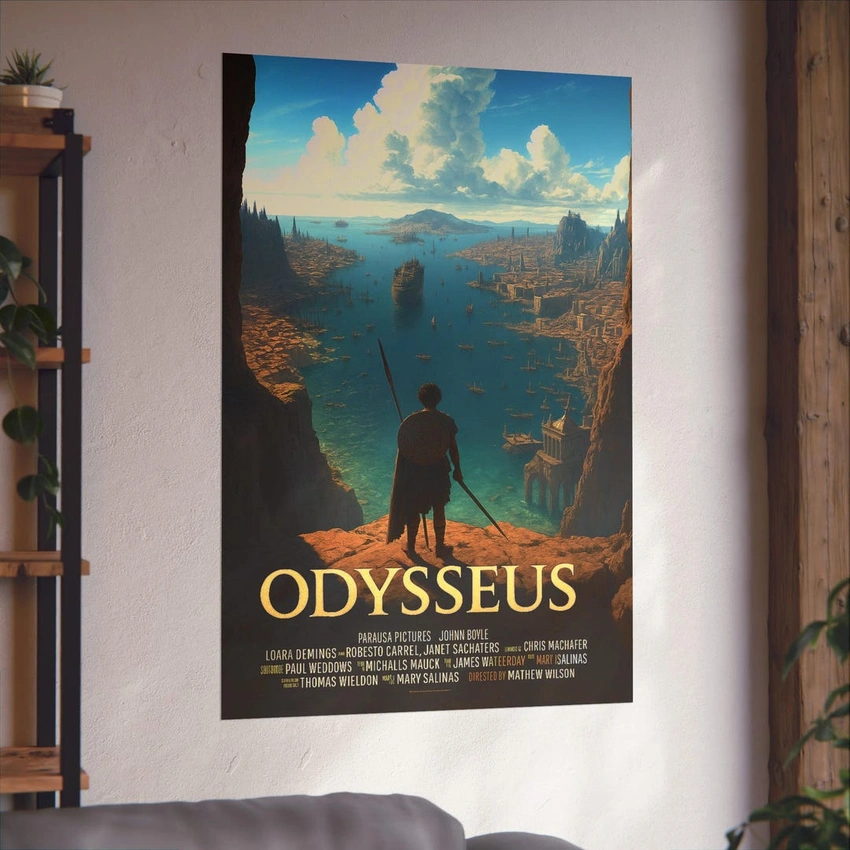
Figures like Hercules, Achilles, and Odysseus became archetypes, often detached from their original cultural specificities and refashioned to fit contemporary storytelling tropes. This approach transformed these foundational narratives into universal fables, available for reimagining by anyone, anywhere, regardless of their direct lineage to the source culture.
The industry's power has allowed it to shape a popular understanding of these myths that frequently bypasses the voices and historical connections of modern-day Greeks.
 The Rising Tide of Regional Representation
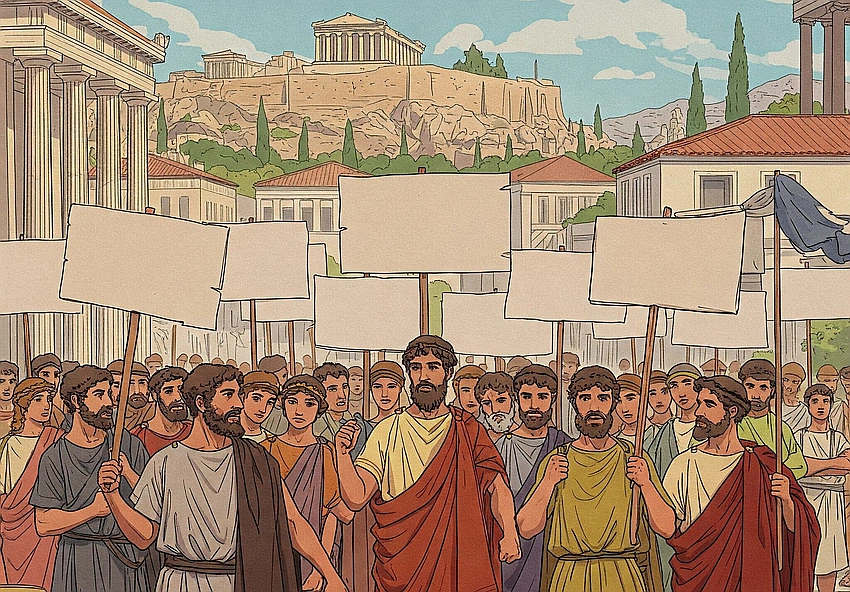
However, the internet, with its democratizing power, has changed the game. No longer can a monolithic Hollywood narrative go unchallenged. The outcry over Nolan's casting choices - particularly the lack of Greek actors in a story fundamentally rooted in Greek antiquity - highlights a growing demand for authenticity and respect for regional intellectual and historical property.
It's a post-colonial critique of cultural hegemony. Why, critics ask, should a story born from a specific land and people be consistently told by those outside that heritage, often excluding those who are direct descendants?
The sentiment is strong:
For too long, the 'universal' has simply meant 'Western,' erasing the specific contributions and living cultures from which these stories originated.
This isn't to say only Greeks can tell Greek stories, but rather that their exclusion from telling or representing their own foundational myths in major productions is problematic.
 A New Era for Cinematic Storytelling
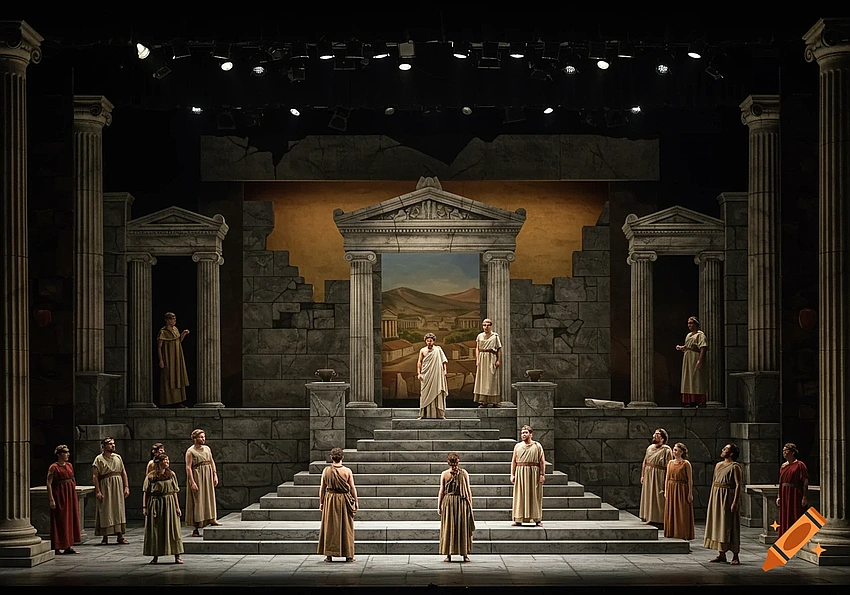
This controversy forces a critical reconsideration of Hollywood's practices. As global connectivity grows, so too does the expectation for nuanced representation. Filmmakers adapting historical or mythological narratives face an increasingly informed and vocal audience.
The “global Western inheritance” argument, while having historical precedent in cinema, now clashes with the undeniable reality of localized cultural ownership and the rights of communities to see their heritage portrayed respectfully and authentically. Nolan's “The Odyssey” is poised to become more than just a film; it's a crucible for this ongoing debate, setting a precedent for how future adaptations of universally resonant, yet regionally specific, narratives might be approached.
The question isn't whether Homer's tales are epic, but who gets to chart their cinematic voyage.