Altman Details Musk’s Push for OpenAI Control, Even After Death

Altman Details Musk’s Push for OpenAI Control, Even After Death
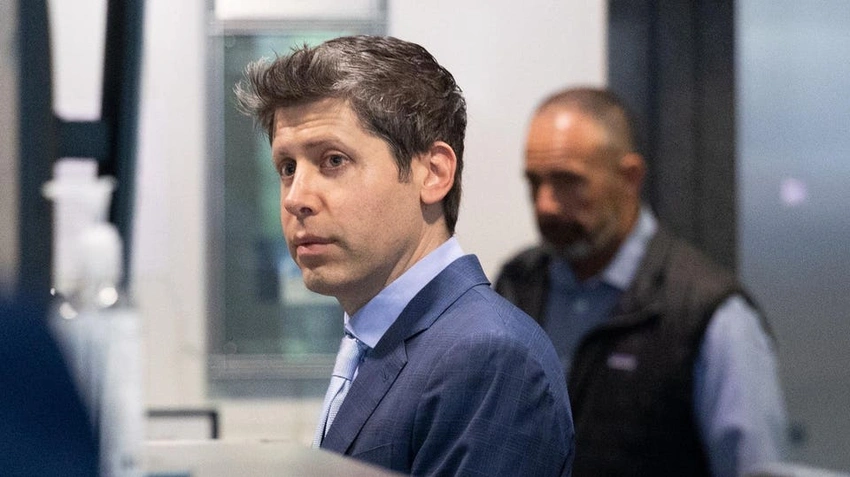
Altman testifies in Oakland about Musk’s bids to steer OpenAI toward profit, including passing control to his children.
At a federal jury in Oakland, Sam Altman outlined the high-stakes drama surrounding OpenAI as Elon Musk pressed for greater control. Altman described Musk's push to tilt OpenAI toward a traditional for-profit model and recalled a hair-raising moment when the founders asked what would happen if Musk had control after death, with Musk suggesting it might pass to his children. The disclosures come as Musk sues Altman and OpenAI, accusing the nonprofit-turned-profit company of looting a charity.
Altman said Musk wanted more board seats, a possible appointment as chief executive, and even a scenario in which OpenAI would become a subsidiary of Tesla. The stated aim, Altman recalled, was to attract money faster and secure financial backing for AI research. Musk reportedly floated various restructuring ideas aimed at accelerating OpenAI’s growth, but Altman and OpenAI’s co-founders pushed back.
Altman stressed that giving Musk such control would not help OpenAI's mission or its pursuit of artificial general intelligence. He said he and co-founders Greg Brockman and Ilya Sutskever were deeply uncomfortable with ceding power to one investor, fearing it would skew priorities toward short-term profits rather than long-term scientific goals.
That tension sits at the heart of the lawsuit, which frames OpenAI's evolution from nonprofit origins to a capped-profit company and questions whether Musk’s perceived influence would have steered the venture off course. Altman's testimony adds another layer to a case that has drawn scrutiny from policymakers and tech watchers who warn about corporate influence over AI research.
Experts say the trial could shape future debates about governance, funding, and the delicate balance between ambitious scientific aims and the financing that makes them possible. As the jury weighs competing narratives, the tech world watches closely to see what the outcome might mean for OpenAI, Musk, and the broader path of artificial intelligence.
