Dolly Parton's Legacy: Is AI a Tribute or 'Endless Garbage'?

Dolly Parton's Legacy: Is AI a Tribute or 'Endless Garbage'?
Dolly Parton's passing sparked a debate on digital tributes. While musicians honored her, her sister Stella condemned AI-generated content. Is this a new memorial or just exploitation?
The world mourned the loss of a true icon, Dolly Parton, at 80, after a brief battle with cancer this past August. Her passing left a void, and as expected, a wave of tributes poured in. From Kacey Musgraves performing 'Here You Come Again' to Jack White's 'Jolene' rendition, and Olivia Rodrigo dedicating a duet, human artistry has been a beautiful way to remember her.
But a new, more contentious form of memorialization has emerged, sparking a vital conversation about grief in the digital age.
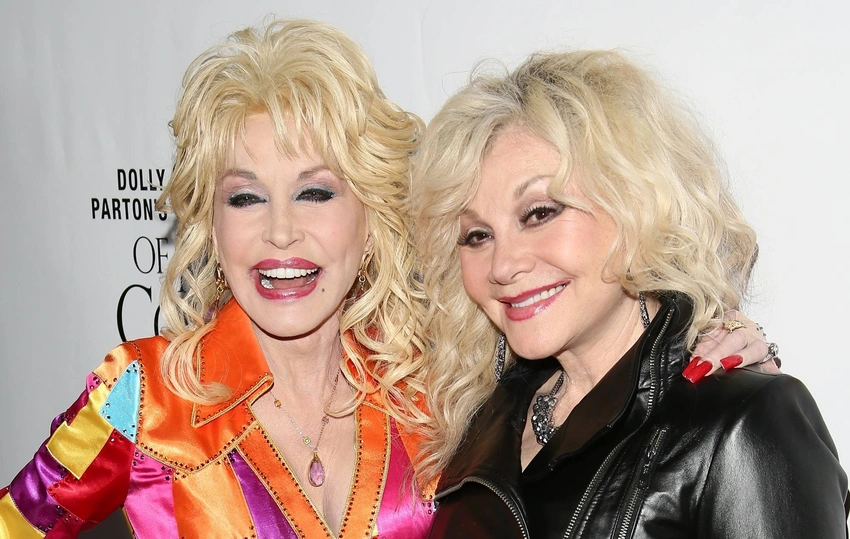
Dolly's own sister, Stella Parton, didn't mince words, calling out 'a tremendous amount of AI and endless garbage' filling social feeds. Her pain is palpable, describing 'incredible pressure and insensitivity from strangers' and lamenting 'those who are in the business of exploiting the loss and tragedies of others'.
It's a powerful condemnation, speaking to the raw reality faced by grieving families.
This 'garbage' Stella refers to likely encompasses everything from AI-generated voice clones singing new 'tributes' to deepfake images or automatically written eulogies that lack genuine sentiment. Such creations, often churned out for clicks or perceived novelty, can feel hollow, disrespectful, and frankly, invasive.
When a family is experiencing profound loss, encountering inauthentic, machine-made content can feel like a further indignity, blurring the lines between homage and exploitation.
The digital landscape, unfortunately, moves faster than ethical considerations.
Yet, could AI-powered tributes also represent a new frontier for digital memorialization? Imagine AI tools that genuinely assist in preserving an artist's legacy, perhaps cataloging their work, curating memories, or even offering interactive archives that allow fans to explore their history in new ways.
In theory, AI could empower fans globally to express their grief and connection, creating a collective digital space for remembrance.
For millions who never met Dolly, but whose lives she touched, a well-intentioned, ethically developed AI tribute might offer a unique form of engagement and comfort, a way to keep her spirit alive in the digital realm.
The core issue, then, isn't AI itself, but its application . There's a vast difference between thoughtful, human-directed AI initiatives aimed at preserving a legacy and opportunistic, algorithm-driven content designed to capitalize on tragedy. Respect for the deceased and their loved ones must be paramount.
Just as there's genuine artistry in a musician covering a Dolly Parton song, there could be ethical innovation in using AI as a tool for deeper, more accessible forms of remembrance, provided it prioritizes authenticity and respect over spectacle.
It's a sign of what's to come for every public figure. We're at a crossroads where technology challenges our traditional notions of mourning.
How do we ensure that our digital expressions of grief remain human-centered, empathetic, and respectful?
The conversation must shift from whether AI can create tributes to whether it should , and under what stringent ethical guidelines.
Because ultimately, genuine remembrance stems from the heart, not from an algorithm.

Login to comment.
No thots yet. Be the first to share your thoughts!