Your Resting Heart Rate: The Ultimate Fitness Flex?

Your Resting Heart Rate: The Ultimate Fitness Flex?
Forget luxury cars, a low resting heart rate is the new status symbol on dating apps and social media. But is this wellness flex truly a sign of optimal health?
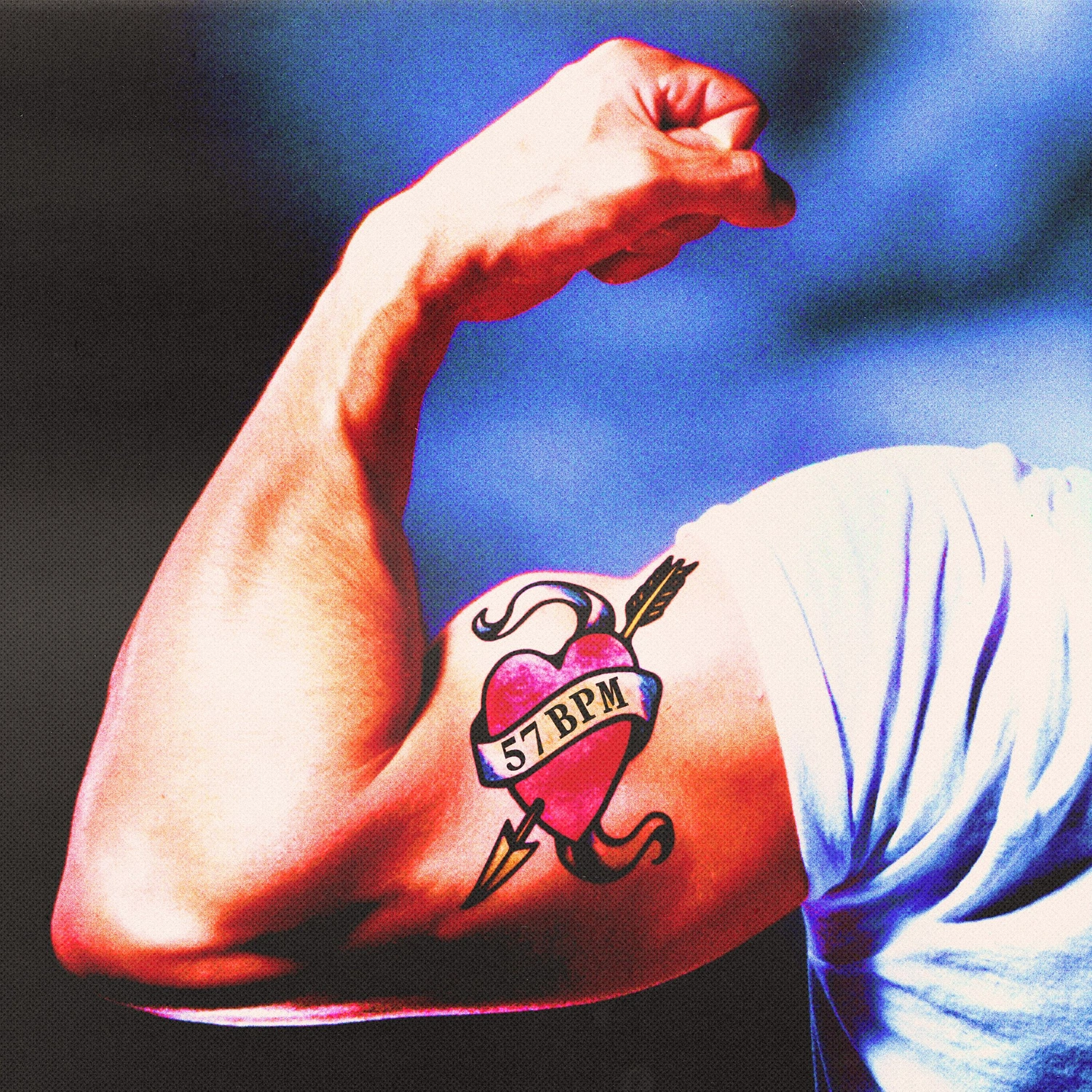
Move over, expensive watches and fancy cars—there's a new status symbol making waves, and it's beating right in your chest. We’re talking about your resting heart rate (RHR), and it’s become the latest 'fitness flex' on dating apps, social media, and even professional sports broadcasts.
Take ATEAM, for instance, a new fitness-focused dating and social app. Scroll through profiles, and amidst the usual gym selfies, you'll find numbers like 49, 56, or 62. They're potential matches' resting heart rates.
For the truly fitness-obsessed, especially endurance athletes, a lower number signifies peak performance.
Dan Ilani, the founder of ATEAM, notes that about 20% of users, primarily women, are already displaying theirs.
As former NFL athlete and ATEAM partner Dale Moss puts it, this metric offers a glimpse into how someone “move[s] through the world [and] what it's like in their day-to-day”, revealing lifestyle choices like sleep habits or alcohol consumption.
It's not just dating apps, either. People are openly sharing screenshots of their health-tracker scores online, data once reserved for private scrutiny or a chat with a coach. Even major sporting events are showcasing it.
During the Tour De France, Whoop famously broadcast the RHRs of pro cyclists like Mathieu van der Poel and Tadej Pogačar, with some numbers dipping into the high 30s. Henry Lau, a strength coach in Providence, Rhode Island, aptly describes it: “It's akin to rich people flexing with their Lamborghinis.”
The Science Behind the Status
But unlike a luxury car, a low RHR isn't just for show, it carries genuine health implications. A 2021 study in the European Journal of Preventative Cardiology found that individuals with an RHR over 70 beats per minute (bpm) faced a greater risk of cardiovascular disease and all-cause mortality.
Dr. Jeffrey Hsu, a sports cardiologist at UCLA Health and team cardiologist for the Los Angeles Lakers, Sparks, and Dodgers, confirms that RHR holds more substance than other complex wearable stats.
At its heart: no pun intended: the association of a lower resting heart rate with fitness comes down to efficiency,
says Dr. Hsu. He explains that with training, the heart remodels, its chambers grow larger, and its muscles become more powerful. This allows it to pump more blood with each beat, requiring fewer beats per minute to deliver oxygen throughout the body.
An RHR under 60 bpm is often a good indicator of this enhanced cardiovascular efficiency.
More Than Just a Number?
For many, seeing their RHR drop is a tangible reward for their dedication. Roberto Clemente, a New York-based runner who averages 40 to 80 miles a week, takes pride in his low RHR and occasionally shares it. “It not only shows the amount of effort I’ve put into my training, but also shows my dedication to minimize stress in all aspects of my life,” he shares. “It’s a sign of the lifestyle and healthy habits I prioritize every day.”
This trend highlights how deeply health and wellness have woven into our identities and how we present ourselves. It prompts us to consider: is this 'fitness flex' a superficial display, or a genuinely insightful peek into a person's commitment to a healthy lifestyle?
