AI's Job Storm: Why Tech Laid Off Thousands in 2026

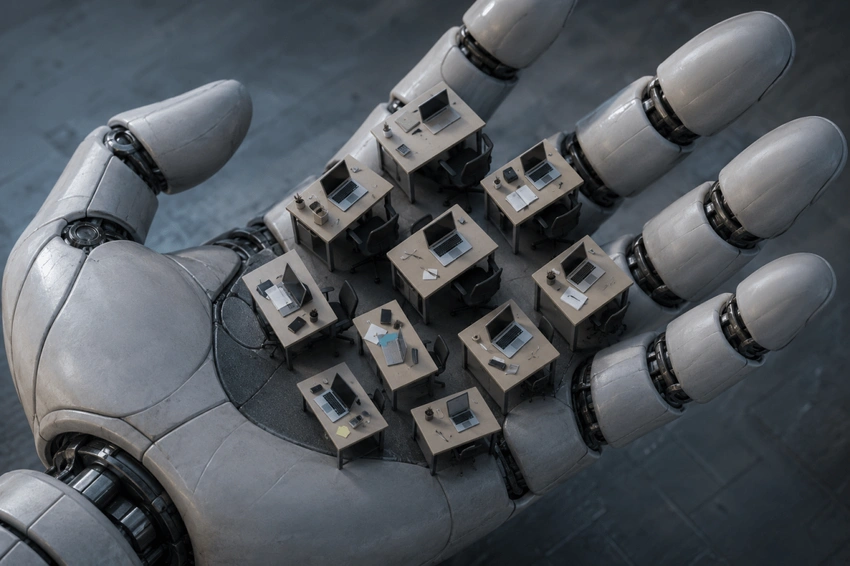
AI's Job Storm: Why Tech Laid Off Thousands in 2026
2026 saw a major wave of tech layoffs explicitly linked to AI. What's really happening? We're diving deep into the impact of tools like ChatGPT AI on the workforce and what it means for your career. Adapt or be left behi
AI's Job Storm: The Real Impact on Tech Layoffs in 2026
Let's get real about what's unfolding in the tech job market. We've been tracking a significant trend throughout 2026: a growing list of major tech companies making substantial workforce reductions, and here's the kicker – they're explicitly citing AI as a primary driver. This isn't just about efficiency; it's a fundamental shift.
Historically, technology has always been a disruptor, but the speed and breadth of AI's integration are unprecedented. Companies are no longer just thinking about how AI can boost productivity; they're actively implementing it to replace tasks, streamline operations, and, yes, reduce headcount. The buzz isn't just hype; it's affecting livelihoods now.
The AI Factor: More Than Just a Buzzword
When we look at the specifics from a running tally updated as recently as June 22, 2026, at 6:27 PM PDT, the pattern is clear. Many of these firms aren't just making cuts; they're strategically re-evaluating entire departments and roles that can now be augmented or outright replaced by sophisticated AI systems. Think about the impact of tools like ChatGPT AI. Its capabilities have moved beyond novelty to become integral parts of workflows, automating everything from content generation and customer support to code review and data analysis.
Insiders like Rebecca Bellan and Connie Loizos, who have been closely observing these shifts, highlight that this isn't a temporary blip. This is a foundational change. The roles most vulnerable are often those involving repetitive tasks, data processing, or content creation that can be handled with high accuracy and speed by AI, often at a fraction of the cost.
What We're Seeing:
- Automation of routine tasks: AI is taking over roles that require processing large amounts of data or performing repetitive actions.
- Streamlined development cycles: AI-powered tools are assisting engineers, leading to smaller, more efficient teams.
- Enhanced customer support: AI chatbots and virtual assistants are handling initial customer queries, reducing the need for human agents.
- Content generation: From marketing copy to internal reports, AI is producing drafts and even final pieces, impacting roles in creative and communications departments.
Navigating the New Landscape
So, what does this mean for you, whether you're a tech worker, a leader, or just someone observing from the sidelines? It means adaptation is no longer optional; it's essential. The companies making these strategic moves aren't just cutting costs; they're reinvesting in AI infrastructure and upskilling their remaining workforce to manage and leverage these new tools. The demand for prompt engineers, AI ethicists, and specialists who can build and integrate AI solutions is skyrocketing.
This isn't about doomsaying. It's about recognizing the reality of an evolving market. While some jobs are disappearing, new, more complex, and often more interesting roles are emerging. The tech industry, as always, is redefining itself. The question isn't if AI will impact your job, but how you'll adapt to harness its power.
Stay sharp, keep learning, and understand that the landscape, as we’ve clearly seen in 2026, is shifting at warp speed.
