Retinol at 10? Why the Sephora Kids trend is a total ethical disaster.

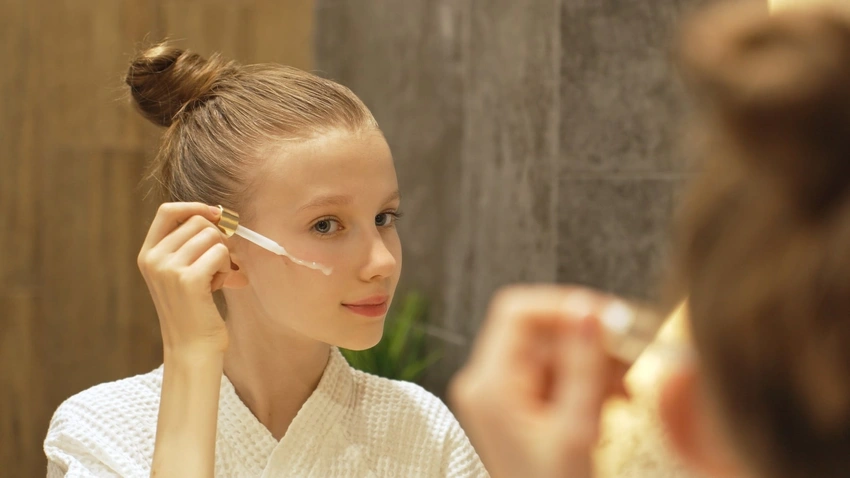
Retinol at 10? Why the Sephora Kids trend is a total ethical disaster.
Is your 4th grader asking for anti-aging serums? We're diving into the Sephora Kids crisis and why brands need to back off Gen Alpha’s skin.
The Retinol Playground: Why We Need to Stop Selling Anti-Aging to Kids
Walking into a beauty store used to be about finding a fun lip gloss or a glittery eyeshadow. But today, the aisles are filled with Gen Alpha kids hunting for high-concentration acids and anti-aging serums. The Sephora Kids phenomenon has moved from a funny social media meme to a serious ethical crisis that parents and brands can no longer ignore.
The Biological Risk
Kids do not have the same skin as adults. Their skin barrier is thinner and more sensitive. When brands market products packed with retinol, AHAs, or BHAs to ten-year-olds, they aren't just selling a hobby; they are selling potential long-term damage. Dermatologists are already seeing an uptick in chemical burns and severe reactions among children who have no biological need for these intensive treatments. Their skin is naturally bouncy and full of collagen. Introducing aggressive chemicals this early can disrupt their skin's natural development for years to come.
The Mental Cost of Early Aging
Beyond the physical risks, there is a deep psychological concern. When we market age-defying products to people who haven't even finished elementary school, what message are we sending? We are teaching a generation to fear a natural process before they have even grown up. The obsession with preventing wrinkles at age nine creates a toxic relationship with self-image that could last a lifetime. Childhood should be a time of freedom from the anxieties of physical decline.
The Responsibility of Brands
Industry leaders have built a massive business around Gen Alpha’s shopping frenzy. While it is easy to blame parents or social media algorithms, the brands themselves hold the primary responsibility. Creating colorful, toy-like packaging for products containing clinical-grade ingredients is a deliberate choice. It is a marketing strategy designed to catch young eyes, regardless of whether the product is safe for them.
- Brands need to implement age gates or clear warnings for certain ingredients.
- Marketing must pivot toward hydration and sun protection rather than correction.
- Influencers should be transparent about what products are actually safe for young skin.
We are at a watershed moment. The beauty industry must decide if it values short-term profit over the health and well-being of the next generation. It is time to let kids be kids and keep the retinol for the adults who actually need it.
