Hollywood's AI Impersonators: Real Magic or Ethical Minefield?
Hollywood's AI Impersonators: Real Magic or Ethical Minefield?
AI is changing the face of cinematic performance, allowing actors to transform into anyone. But as deepfake technology gets more sophisticated, are we ready for the ethical questions it raises in film and beyond? Let's d
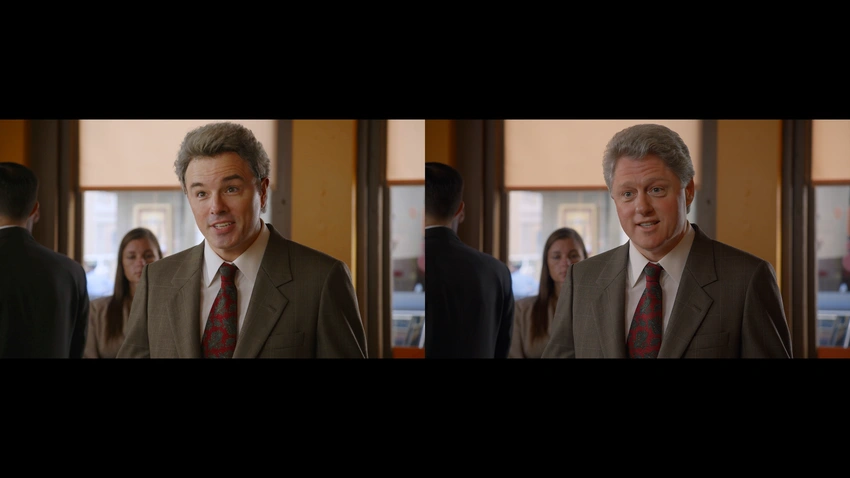
The silver screen has always been a place of illusion and transformation. Actors dedicate their lives to embodying characters, but what happens when artificial intelligence steps in to fundamentally alter their very appearance or even voice? We're witnessing a pivotal moment where AI isn't just assisting special effects; it's capable of transforming a performer into a perfect digital doppelgänger of another public figure or historical individual.
Imagine the creative possibilities! Directors could cast actors for their talent, then use AI to seamlessly morph them into the exact likeness of a historical icon, bypassing hours of prosthetics and makeup. This isn't just about making an actor look like someone, but potentially become them with uncanny accuracy, even capturing subtle facial tics or vocal cadences. For period dramas or biopics, this could be a game-changer, offering a level of historical verisimilitude previously unimaginable. Think of the ability to 'cast' a long-deceased legend, played by a contemporary talent, offering a fresh take while retaining iconic features.
However, this dazzling technological leap comes with a weighty ethical baggage. The term 'deepfake' itself often carries negative connotations, immediately conjuring images of misinformation and identity theft. When an actor's performance is digitally altered to become someone else, where do the lines of consent, intellectual property, and even personal identity begin and end? What about the rights of the person being impersonated, especially if they are alive and haven't consented to their likeness being used? The potential for misuse, or simply for blurring the lines between reality and fiction, is immense.
Beyond just visual transformation, the 'dialogue' aspect is crucial. AI can now mimic voices with alarming accuracy. Could we soon see entire performances where an actor's voice is replaced by an AI-generated imitation, or even where dialogue is written and delivered by an AI, then synced to a human performance? This raises questions about artistic authenticity and the very definition of acting itself. Are we heading towards a future where film performances are composites of human talent and algorithmic enhancement?
The tools are here, and they're only getting more sophisticated. The conversation needs to shift from can we to how should we and what are the boundaries? Hollywood, and indeed the broader creative industry, must grapple with these questions head-on to harness AI's power responsibly, ensuring it serves storytelling and artistry without eroding trust or infringing on personal rights.
