Thousands of Iraqi Kurds Prepare Cross-Border Move into Iran with U.S. Backing

Thousands of Iraqi Kurds Prepare Cross-Border Move into Iran with U.S. Backing
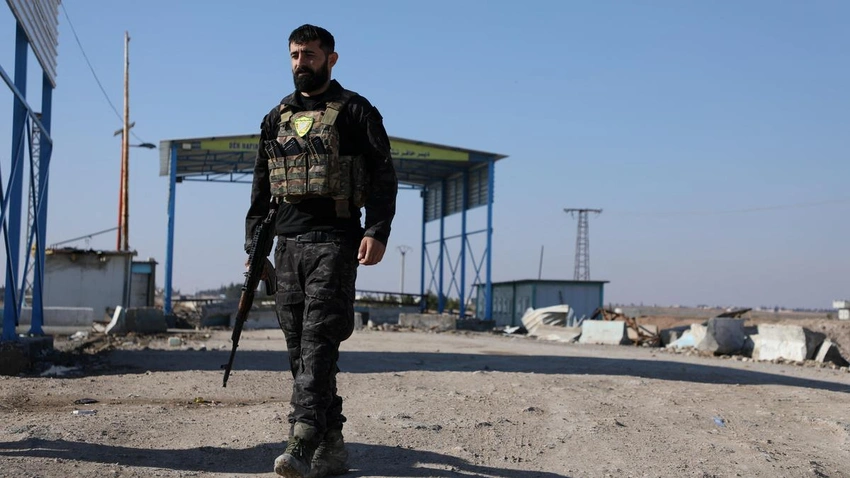
Kurdish fighters in northern Iraq reportedly ready for a cross-border operation into Iran with U.S. support, signaling a new phase in regional tensions.
Officials in Iraqi Kurdistan report that thousands of battle-hardened Kurds in northern Iraq are preparing for a potential cross-border operation into Iran, with U.S. backing. The move, described by those close to Kurdish leadership, comes amid heightened tensions in the region and a broader discussion about how Washington might engage non-state actors in pursuit of strategic priorities. While details remain unclear and no formal decision has been announced, the mere prospect marks a notable shift in the region’s security calculus.
Observers say the plan, if it materializes, would underscore the willingness of Kurdish forces to project power beyond their traditional borders in pursuit of security guarantees and regional influence. It also signals how external powers, including the United States, could be leveraging Kurdish actors to shape outcomes in Iran without committing to full-scale military commitments. The volatile border areas could become flashpoints, raising questions about civilian safety and the potential for unintended consequences across multiple borderlands.
Kurdish communities have long lived with stateless status across parts of the region, with populations spanning Iraq, Iran, Turkey, and Syria. The prospect of a cross-border operation in Iran adds another layer to debates about autonomy, security, and the future of Kurdish political strategies in a landscape marked by shifting alliances. Analysts emphasize that any move would need careful diplomatic management to avoid destabilizing a fragile balance in the broader Middle East. The developing situation is being watched closely by neighboring states and international observers who warn that escalation could complicate ongoing efforts to curb tensions with Tehran and preserve civilian safety along sensitive frontlines.
For many, the possibility of Kurdish-led action reflects a broader pattern: regional actors increasingly seek strategic leverage through non-state forces, while foreign powers weigh support against the risk of broadening conflict. The coming days are likely to bring more clarity on whether this cross-border option remains a theoretical possibility or evolves into a defined military plan with concrete timelines and commitments.

Login to comment.
No thots yet. Be the first to share your thoughts!