Blood Sugar Fixes: Are Supplements REALLY the Answer?

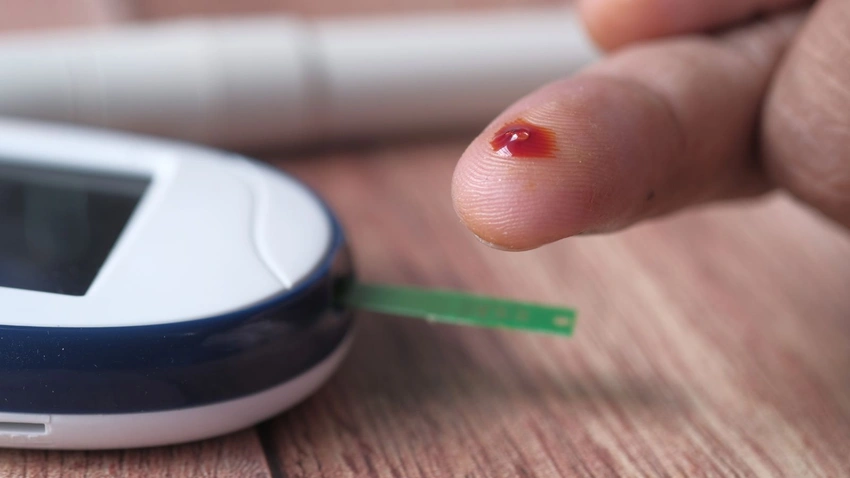
Blood Sugar Fixes: Are Supplements REALLY the Answer?
Are blood sugar supplements like berberine or cinnamon miracle cures? Unpack the truth about their effectiveness, risks, and how to truly manage your levels.
Let’s talk about blood sugar management. It’s a hot topic, and in our quest for better health, many of us turn to supplements, hoping for a simple solution. You’ve likely seen products touting ingredients like berberine, magnesium, and cinnamon as revolutionary fixes. But do they actually work? And more importantly, are they safe?
As someone immersed in the health space, I can tell you the reality is more nuanced than the marketing often suggests. Supplements can play a role, absolutely. Many of them, like berberine or even a simple fibre supplement such as psyllium, can help moderate post-meal blood sugar responses. However, here’s the crucial part: their impact is generally quite modest when used in isolation. Think of them as a gentle nudge, not a powerful lever.
The greatest benefits, the real game-changers, are always seen when supplements complement a broader, well-rounded lifestyle strategy. We're talking about consistent efforts like eating balanced meals, ensuring adequate fibre intake, engaging in regular physical activity, getting sufficient sleep, and managing weight where appropriate. For example, a fibre supplement like psyllium can help blunt a glucose spike, but its effectiveness is significantly enhanced when paired with a meal that is rich in protein, healthy fats, and complex carbohydrates. Blood sugar regulation is influenced by multiple factors, and frankly, no supplement can compensate for consistently poor dietary habits or a sedentary lifestyle. It just won’t happen.
Now, a word of caution: supplements aren’t always as benign as they sound. If you have diabetes, prediabetes, or are currently taking glucose-lowering medications, it’s non-negotiable to consult a healthcare professional before starting any supplement intended to affect blood sugar levels. Why? Because certain supplements, particularly berberine, can significantly enhance the effects of medications and dramatically increase the risk of hypoglycaemia, which is dangerously low blood sugar. This isn’t a situation you want to mess with.
Product quality is another huge concern. The supplement industry isn’t always standardised, meaning products can vary wildly in potency and purity. What’s on the label might not always be what’s in the bottle, or in the quantities you expect. Also, please, please avoid assuming that ‘natural’ products are automatically safe. Arsenic is natural, but I wouldn't recommend it! Monitoring your blood glucose regularly after introducing a new supplement is always advisable, especially for those already managing a metabolic condition.
Ultimately, a personalized approach is always preferable. Individual responses to supplements can vary considerably, so what works for your friend might not be right for you. Don't fall for the hype of a magic pill. Instead, focus on building a robust, healthy lifestyle, and then—and only then—consider how targeted supplements might modestly support your overall wellness goals, always under professional guidance.
