Arunachal Birthplace Row Shocks Shanghai Airport

Arunachal Birthplace Row Shocks Shanghai Airport
An Indian national faced harassment at Shanghai airport after her birthplace Arunachal Pradesh was flagged, triggering consular intervention and renewed cross-border tensions.
An Indian national, Pema Wang Thongdok, faced an unexpected obstacle at Shanghai airport when her passport was flagged because her birthplace was listed as Arunachal Pradesh. She was prevented from boarding her onward flight and was denied access to basic facilities, leaving her in a fraught limbo as staff navigated the issue. After consular officials intervened, she was allowed to depart Shanghai, heading for Bangkok where she is currently staying while the matter is resolved. The episode has drawn attention to the practicalities of travel documentation amid ongoing cross-border sensitivities, and to how bureaucratic checks can intersect with a long-standing border dispute.
Background details from various outlets indicate that Thongdok had been denied onward travel to Japan from China, prompting the consular step and prompting discussions about the status of Arunachal Pradesh in international policy. In Bangkok, she awaits the next leg of her journey as diplomats sort out the directives that led to the airport's decision. China has said that border checks are lawful, while India has lodged a protest, insisting that Arunachal Pradesh is an integral part of India. The incident has thus become a focal point for renewed debate about recognition of Arunachal Pradesh in international forums and the broader India-China relationship.
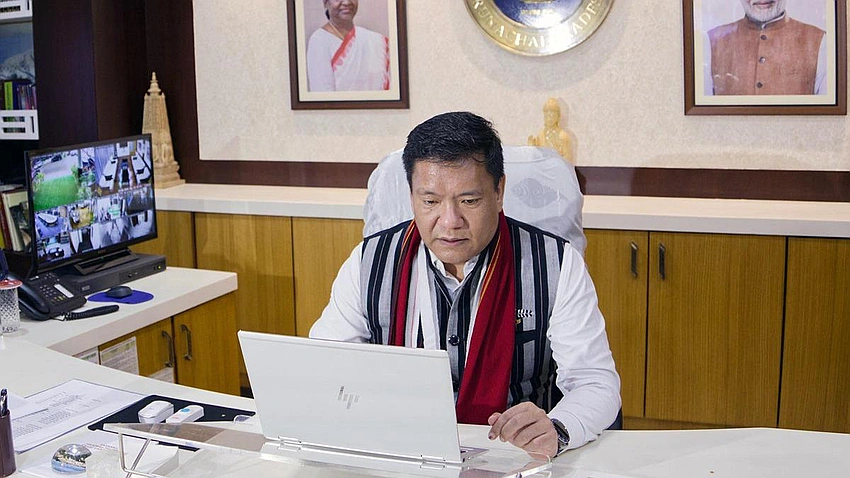
Back home, Arunachal Pradesh Chief Minister Pema Khandu publicly condemned the incident, stating that Arunachal Pradesh is and will always be part of India and that any insinuation otherwise is baseless and offensive. State leaders also criticized what they described as racial mockery and raised concerns about how travelers from the region are treated abroad. Analysts say the episode underscores the tentative and sometimes volatile nature of cross-border policy, where a travel hiccup can quickly become a diplomatic flashpoint. For the moment, Thongdok's case remains in limbo as authorities in Shanghai and Bangkok coordinate with New Delhi and Beijing.
As observers note, the Shanghai episode is part of a broader pattern of international air travel incidents tied to sensitive political stances on territories. It highlights the need for clearer guidelines and humane treatment at airports, as well as careful handling of disputed regions in travel documentation. The coming days could see further diplomatic exchanges as India reiterates its stance and China clarifies its borders policy, with the passport record serving as a reminder of how geopolitics can shape ordinary travel.
Cover image source: Khandu condemns China after Arunachal woman detained at Shanghai Airport 🔗
