Fuel switch scare: Air India grounds Dreamliner after pilot flags issue tied to crash

Fuel switch scare: Air India grounds Dreamliner after pilot flags issue tied to crash
Air India's Boeing 787 is grounded after a pilot flagged a possible fuel-control switch defect, reviving scrutiny linked to the 2025 Ahmedabad crash.
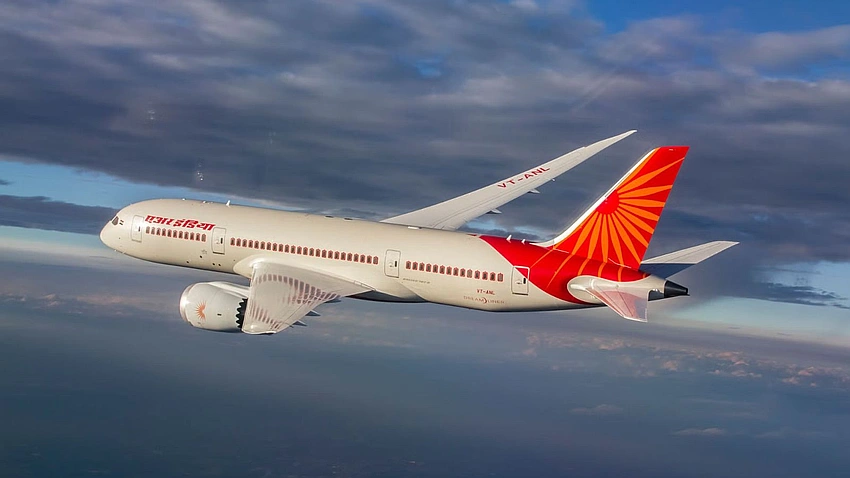
Air India's Boeing 787-8 Dreamliner, on a London-to-Bengaluru service, was grounded after a pilot reported abnormal behavior in one engine fuel-control switch during start-up. The aircraft, registration VT-ANX, landed safely in Bengaluru and was immediately taken out of service as engineers and safety teams began a priority investigation with Boeing and the aviation regulator. The move underscores the ongoing vigilance around fuel-control systems on the Dreamliner fleet.
Safety Matters Foundation has described the left engine fuel-control switch as not remaining secured in RUN and moving toward CUTOFF on two separate attempts. The foundation noted the switch appeared to slip out of position if nudged and failed to lock, raising questions about potential defectiveness and the need for robust checks across similar aircraft.
This grounding comes in the context of the Ahmedabad crash in June 2025, a tragedy that killed 260 people and thrust fuel-control components under renewed scrutiny. While investigators work to determine responsibility and root causes, the current incident highlights the critical role of reliable fuel-control systems in engine start-up and operation.
Air India has informed the Directorate General of Civil Aviation and is cooperating with Boeing to investigate the issue on a priority basis. The specific aircraft involved — VT-ANX — is nine years old and had been deployed on the London-to-Bengaluru route at the time of the report. Regulators and the airline are balancing transparency with technical sensitivity as new findings emerge.
The incident reinforces the importance of stringent maintenance reviews and rapid action when anomalies are detected. Aviation safety experts say swift grounding and collaborative investigations are essential to prevent recurrence and maintain passenger confidence during long-haul travel.
