SpaceX Blasts Into Nasdaq-100: Billions Expected Amid Wild Stock Ride

SpaceX Blasts Into Nasdaq-100: Billions Expected Amid Wild Stock Ride
SpaceX is set to join the Nasdaq-100, triggering $4.3 billion in passive inflows. Discover how this move impacts the tech giant's volatile stock and Elon Musk's net worth. Stay informed!
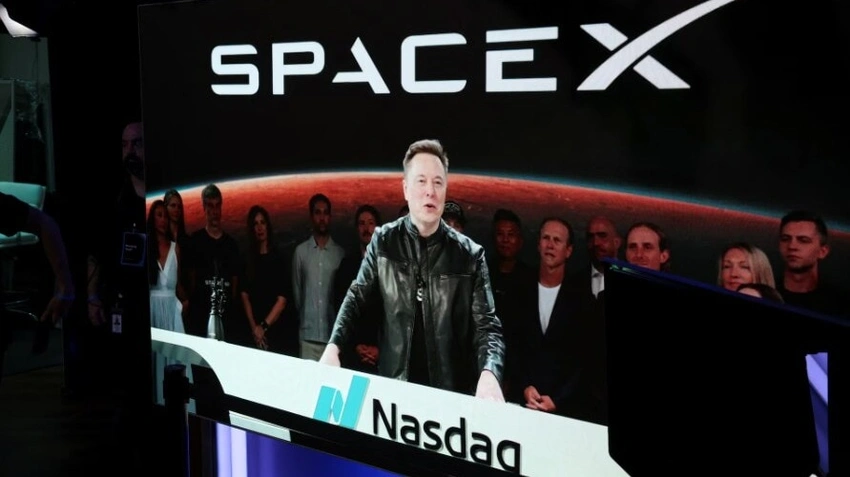
Space Exploration Technologies Corp. (SpaceX) is making headlines once again, set to join the prestigious Nasdaq-100 Index before the market opens on July 7. This rapid inclusion marks SpaceX as one of the fastest companies ever to enter the benchmark after its public listing, an impressive feat that has captivated Wall Street and investors alike.
The move is anticipated to trigger a substantial influx of passive funds, with reports citing J.P. Morgan suggesting approximately $4.3 billion in inflows. This capital injection is expected as index-tracking exchange-traded funds (ETFs) and mutual funds, which collectively manage nearly $800 billion in assets, adjust their portfolios to mirror the updated index composition. Funds like the Invesco QQQ Trust (QQQ) and Invesco NASDAQ 100 ETF (QQQM) will purchase SpaceX shares at Monday's closing price to reflect its new status.
Despite this positive development, SpaceX’s stock has experienced a tumultuous ride since its blockbuster debut on Nasdaq last month. The company priced its initial public offering (IPO) at $135 per share, opening at $150 on June 12. In a dizzying display, the stock surged by as much as 67% to an intraday high of $225.64 on June 16. However, this rally proved short-lived. Shares have since retreated significantly, closing at $153.23 recently, a 32% drop from its peak, though still holding about 20% above its IPO price.
This volatility has led to some market watchers expressing puzzlement, especially given Wall Street’s clear interest in Elon Musk’s rocket and AI company. The stock’s fluctuating performance has even impacted its founder, Elon Musk, whose net worth reportedly dropped by $50 billion due to the latest SpaceX selloff. While index additions typically create short-term buying pressure, the long-term impact on SpaceX's valuation will ultimately depend on its fundamental performance and sustained investor sentiment.
As SpaceX prepares for its official entry into the Nasdaq-100, all eyes will be on how these massive passive inflows interact with the company's already dynamic stock performance and what this means for its future trajectory in the market.
