Iran Tightens Grip on Hormuz, Fueling Global Energy Shock

Iran Tightens Grip on Hormuz, Fueling Global Energy Shock
Geopolitical tensions rise as Iran tightens control of Hormuz and Bab el-Mandeb gains attention as a potential Hormuz 2.0, threatening shipping and energy markets.
Iran has maintained a tight grip on the Strait of Hormuz, allowing only a small number of vessels to pass and keeping pressure on shipping and energy markets. While a few ships do transit, the broader risk to maritime routes and global energy supplies remains elevated.
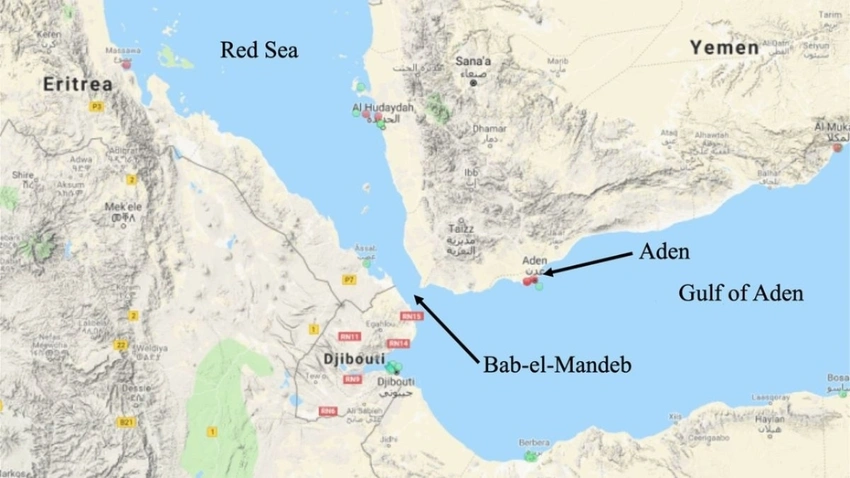
The Bab el-Mandeb Strait, bridging the Red Sea and the Suez Canal, is increasingly being seen as a second Hormuz. Analysts warn that disruptions here would reverberate across Asia, Europe and North America, given its role as a southern gateway to the Red Sea and a chokepoint linking Asia with Europe. The corridor has grown more militarized amid Yemen’s conflict and related attacks on merchant vessels, with militant groups like the Houthis repeatedly targeting ships they accuse of links to rival states.
The label Hormuz 2.0 reflects growing parallels between Bab el-Mandeb and the Strait of Hormuz—through which roughly a fifth of the world’s oil passes. Any disruption can ripple through global supply chains and energy markets as traders watch for developments in the Red Sea, the Gulf and surrounding theaters. Hormuz itself sits at the entrance to the Persian Gulf and remains a focal point for shifting risk, particularly as tensions flare in West Asia.
Meanwhile, Europe faces its own energy shock as Iran’s war-driven dynamics push natural gas prices higher. The region’s gas stores are at their lowest in years, and filling them is proving daunting amid the broader conflict and price volatility linked to American-led pressure. Market watchers say the risk environment for energy supplies remains elevated, with continued vigilance required as diplomacy and military posturing unfold.
Analysts say the pattern is less about one incident and more about a sustained period of elevated risk at multiple chokepoints. The trajectories here will shape shipping costs, fuel availability, and the pace of any recovery in energy markets, underscoring why these routes remain at the center of global geopolitics and economic planning.
