How Coca-Cola’s Distribution Machine Crushes Challengers and Why Coke’s Reach Makes It Nearly Unbeat

How Coca-Cola’s Distribution Machine Crushes Challengers and Why Coke’s Reach Makes It Nearly Unbeat
How Coca-Cola’s Distribution Machine Crushes Challengers and Why Coke’s Reach Makes It Nearly Unbeat
Coca-Cola isn’t just a drink brand, its distribution network is the real fortress. Explore why Coke’s global system costs more than its product and why rivals struggle to compete in markets like India and beyond.
From Mumbai to Atlanta, one case study keeps resurfacing: Coca-Cola’s distribution network is the real strategic moat, far deeper and more costly to build than its secret syrup formula. Unlike most consumer goods companies, Coca-Cola’s most significant operational cost lies not in sugar, syrup, or fizz, it lies in getting the product to every corner of the market at scale and with precision.
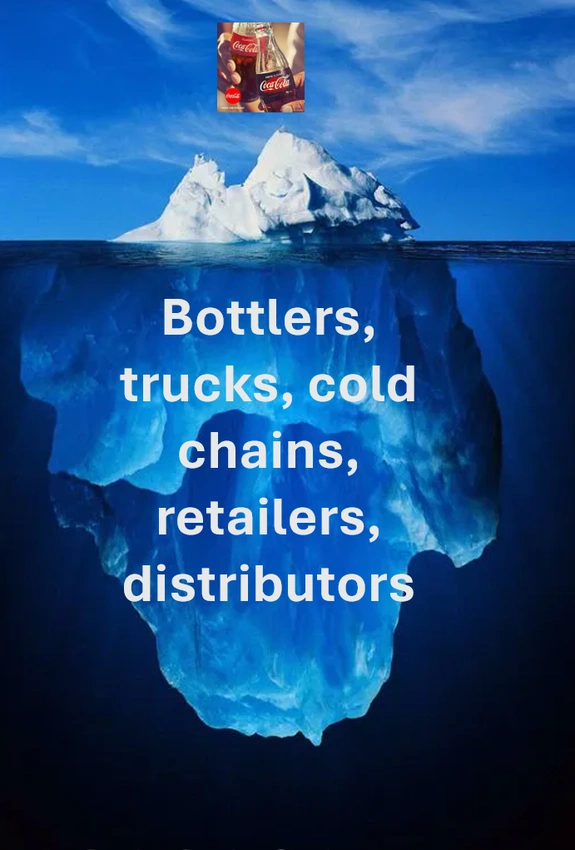 At first glance, Coca-Cola appears to be competing on brand and product alone. But companies that study Coke’s system discover that its distribution network spanning bottlers, logistics, warehousing, retailers, and delivery fleets is what keeps most cola brands from becoming meaningful threats.
The Coke Distribution Model
Coca-Cola uses a franchise bottler model in which the company produces concentrate but outsources production and much of distribution to local partners worldwide. These bottlers then manufacture, package, and distribute finished beverages deep into urban and rural markets alike.
This hybrid structure balances control with local execution:
- Coca-Cola focuses on brand, concentrate, and strategic logistics.
- Bottlers invest their capital in factories and distribution assets close to consumers.
- Coordinated data and demand forecasting optimize inventory and delivery routes.
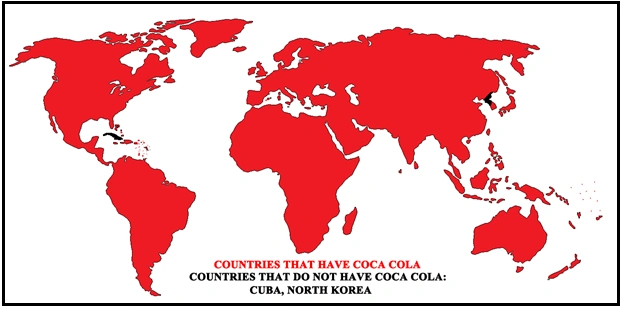
As a result, Coke products are not just in big supermarkets and restaurants — they are literally everywhere: street-side kiosks, small village shops, vending machines, township convenience stores, and global fast food chains. That coverage is the product of decades of investment, coordination, and network optimization that few competitors can replicate.
Coke's Real Cost Isn’t Sugar, It’s Supply Chain
Traditional accounting might suggest the cost of sugar and bottles would dominate expenses for a beverage company. In Coke’s case, a disproportionate share of cost comes from distribution infrastructure, the roads less talked about in marketing campaigns but central to delivering 1.9 billion servings daily.
Distribution costs include:
- Maintaining fleets of trucks, vans, and delivery vehicles.
- Warehouses and cold storage near demand hotspots.
- IT systems for forecasting, inventory, and route planning.
- Sales and merchandising teams ensuring shelf space and stock levels.
In this model, product creation is relatively inexpensive; the network that ensures consistent availability worldwide is far costlier. That heavy up-front investment in logistics and bottling partnerships is a barrier that most rivals cannot afford, especially regional players.
Why Competitors Struggle to Catch Up
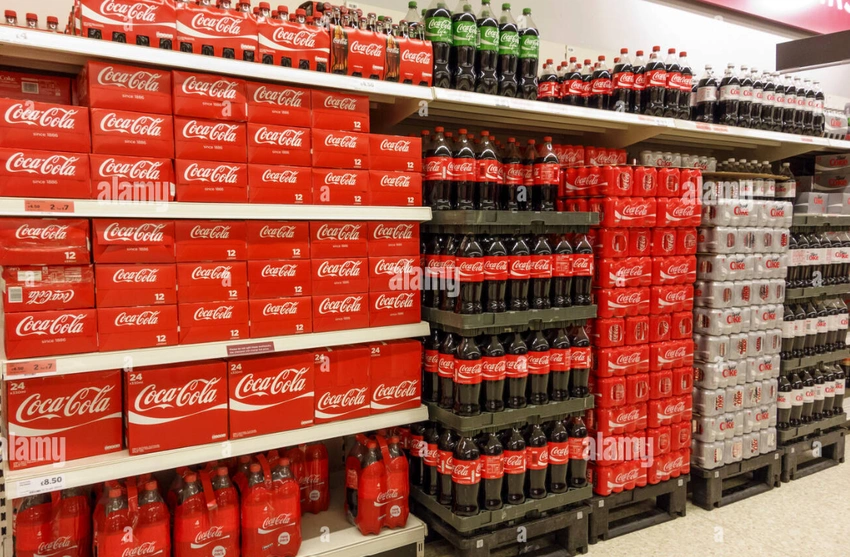
PepsiCo, Coke’s historic rival, similarly invested heavily in its bottling and distribution system, creating a global duopoly in beverages. In many markets, the combined share of Coke and Pepsi in the carbonated segment approaches 70 percent.
Regional challengers from Inca Kola in Peru to new domestic brands and often find early traction through pricing or cultural affinity, but scaling distribution remains the choke point. In Peru in the 1990s, Inca Kola once slightly outsold Coke locally, but to sustain that success without a comparable network has proved difficult.
In India, the recent relaunch of Campa Cola by Reliance has stirred headlines with aggressive pricing and ambitious plans to reach over 50,000 retailers in its first phase. Still, Coca-Cola remains entrenched with distribution in millions of retail outlets across urban and rural regions, built over decades.
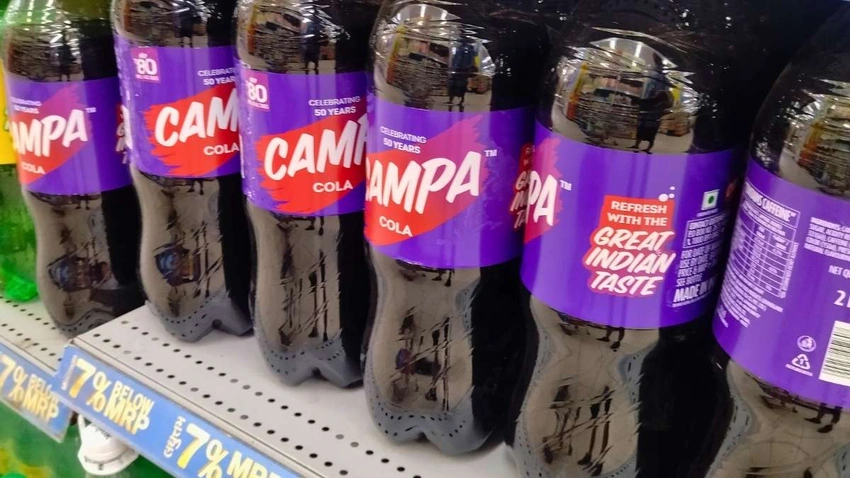
This entrenched presence means Coke can match or undercut prices during competitive pressure while still maintaining shelf presence and visibility, something a new entrant must fund upfront at scale. Without similar logistics investment, competitors risk wasted ad spending with limited on-the-ground availability.
India: A Strategic Case Study in Distribution
Coca-Cola’s success in India illustrates the broader thesis: coloring outside major metros isn’t optional, it’s essential. Case studies, including the RED distribution approach taught in Indian MBA programs, highlight how Coke splits markets into rural and urban segments, using a combination of direct delivery and local distributors to reach traditionally under-served regions.
In India, Coke products are available in over 2.5 million stores, far beyond the reach of most beverage rivals. Meanwhile, Coke India’s investments in bottling and local partnerships including significant capital allocations to expand infrastructure , underscore that distribution market share cannot be purchased overnight.
That deep network also allows Coke to execute just-in-time merchandising, minimizing lost sales due to stockouts and reinforcing brand presence in high and low footfall locations alike, a key advantage against smaller rivals.
Global Markets Where Distribution Matters Most
Across Africa, Latin America, and Southeast Asia, Coke’s network doesn’t just deliver beverages, it fuels local economies by creating jobs in bottling plants, logistics, and retail distribution. In Latin America alone, the Coke system supports millions of jobs across the value chain, embedding the brand in both economic and social frameworks.
However, the same distribution strength can face challenges. In Kerala, India, protracted protests over environmental and water-use concerns led to the closure of a Coke bottling plant in Plachimada, illustrating that distribution infrastructure must also navigate local socio-environmental risks.
Why Coke’s Distribution Creates High Barriers to Entry
From a competitive strategy perspective, barriers to entry rise significantly when rivals must match a vast distribution network to reach consumers cost-effectively. Constructing similar networks takes capital, time, access to local knowledge, and retail relationships — assets that Coke has spent over a century building. Management theory and competitive analysis consistently point to distribution control as a core strategic asset that outlasts short-term pricing or promotional battles.

Coca-Cola’s distribution network is not just an operational necessity it is the company’s chief competitive advantage and a profound barrier to entry for imitators. While the syrup and bottle design are iconic, it is the logistical web connecting plants to billions of consumers that underpins Coke’s dominance and shields it from significant threats. Rivals can compete on taste, price, or marketing, but unless they can match Coke’s distribution reach have been built rigorously over decades and supported by local bottlers and partners and they are unlikely to unseat this sugar-based giant.
Sources:
The Cola-Cola company (Abridged) 🔗
The Coca-Cola Company - The Case Centre 🔗
Coca-Cola: Preparing for the Next 100 Years 🔗
Coca-Cola in India: Innovative Distribution Strategies with 'RED' Approach 🔗
