Supreme Court Keeps Mail-Order Abortion Pill Access Alive

Supreme Court Keeps Mail-Order Abortion Pill Access Alive
The Supreme Court blocks a lower-court ruling that would curb mail-order and telehealth access to mifepristone as the legal battle over abortion access continues.
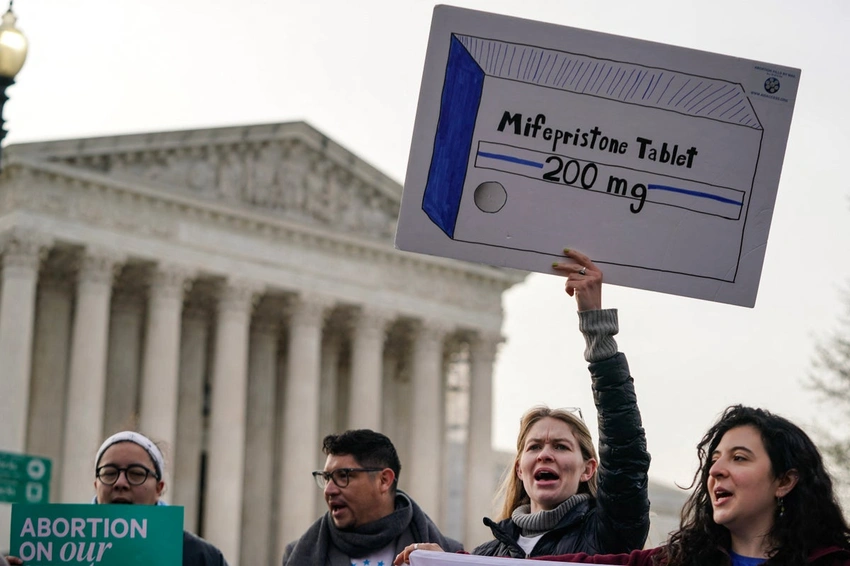
The Supreme Court on Thursday paused a conservative federal appeals court ruling that would have restricted the delivery of mifepristone by mail and via telehealth. By freezing the lower court decision while the case plays out, the justices kept millions of patients from facing new barriers to access the widely used abortion drug. The pause marks another chapter in a national legal fight over medication abortion, one that has sparked fierce debate about regulatory power and public health. The court did not decide the merits but prevented an immediate disruption to access.
Medication abortion accounts for about 63 percent of all abortions, and mifepristone is approved for use up to 10 weeks of pregnancy. When the FDA permanently lifted the in person prescription requirement in 2021, it was to expand access, a move many clinics relied on, especially in areas where travel is difficult. Nearly 93 percent of abortions occur before the 13th week, according to the CDC.
If the lower court ruling had taken effect, millions of patients could have faced trips to clinics hundreds of miles away to obtain the drug in person, a burden that falls hardest on residents of states with abortion bans. The case spotlights a fragmented national landscape for abortion access and could prepare the ground for another major showdown at the Supreme Court.
Conservative justices dissented in last year’s orders, underscoring the political tensions surrounding medication abortion. Advocates warn that restricting mail order and telehealth options would be the biggest threat to abortion access since the Roe v Wade decision was overturned, particularly for rural communities.
The ongoing litigation means this remains a live political and legal question, with far reaching implications for patients, providers, and regulators across the country.
