India-EU FTA Could Offset Tariffs Amid Global Protectionism

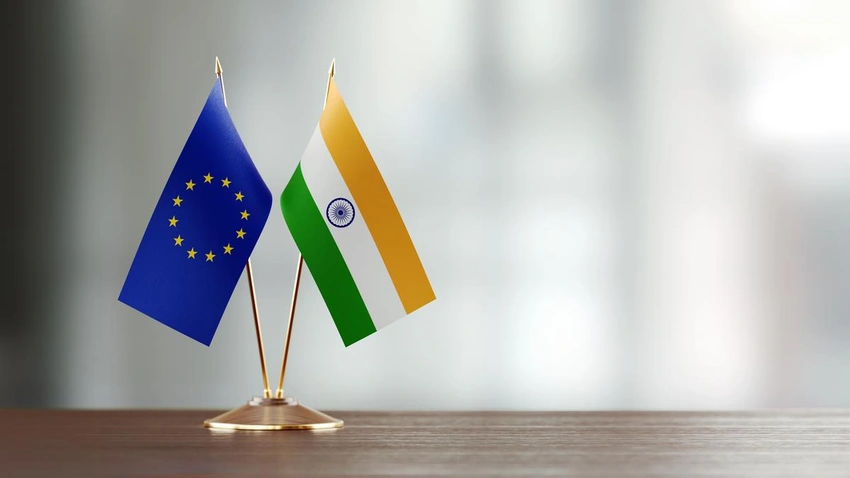
India-EU FTA Could Offset Tariffs Amid Global Protectionism
As India and the EU push toward a landmark free trade pact, analysts say the deal could unlock market access for Indian goods and services and counter tariff pressures amid rising protectionism.
India and the European Union appear close to sealing a landmark free trade agreement, a deal described by some as the 'mother of all trade pacts' given its potential breadth and leverage as global protectionism rises. If finalized, the pact would mark India’s ninth trade agreement in four years and could open significant market access for a wide range of Indian goods and services. The negotiations come as governments worldwide seek to shield domestic industries, while looking for opportunities to diversify supply chains and boost growth.
Analysts say the accord could help offset the impact of tariffs and other trade barriers from rivals, providing Indian exporters with improved access to a large, sophisticated EU market. Key talking points include tariff reductions, easier services access, and streamlined rules of origin, all aimed at boosting both manufacturing and high-value sectors such as information technology and professional services.
There is also a push to address non-tariff barriers that have frustrated traders in recent years. A business group has urged the two sides to press on these barriers to ensure the deal translates into real, on-the-ground gains for Indian industries and consumers. Negotiators are reportedly working toward a formal conclusion, with expectations that a final announcement could come around late January.
Beyond commerce, the broader partnership is poised to touch defense cooperation and mobility arrangements, with discussions on climate-related standards under the Paris Agreement and other cross-cutting safeguards. If the agreement includes climate standards, it could set a benchmark for how trade deals align with global environmental goals while enabling smoother cooperation across sectors.
For Indian businesses, the pact could signal a more predictable post-Brexit and post-Trump trading environment, encouraging investment and long-term planning. However, stakeholders caution that the real test will be implementation—ensuring tariff cuts translate into lower prices, faster clearance, and tangible relief for small and medium enterprises. Overall, the market is watching closely to see whether this deal can deliver meaningful gains amid a challenging global trade climate.
