SC Halts Telangana's Polavaram Plea Over 'Deficiencies'

SC Halts Telangana's Polavaram Plea Over 'Deficiencies'
The Supreme Court dismissed Telangana's petition against Andhra Pradesh's Polavaram project, citing procedural issues. Discover why this major water dispute continues to face legal hurdles.
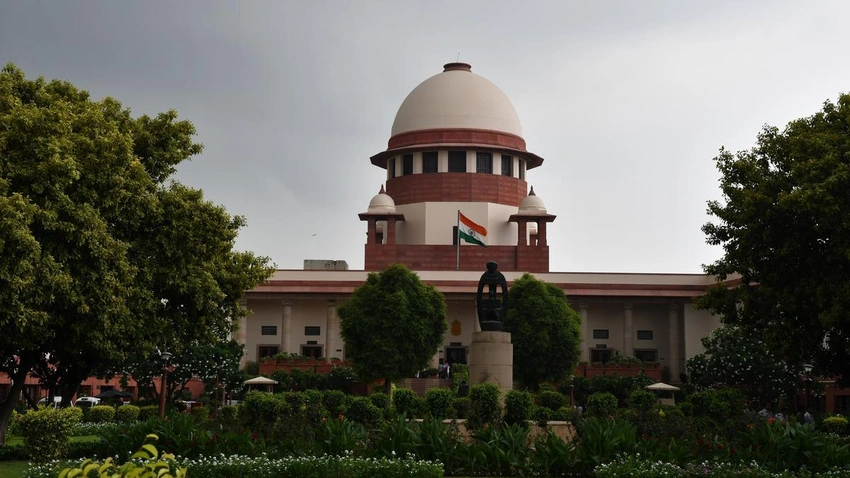
The Supreme Court on Monday, July 13, 2026, refused to immediately hear a significant plea from the Telangana government aimed at stopping Andhra Pradesh's progress on the proposed Polavaram, Banakacherla/Nallamalasagar Link Project. The top court cited "procedural deficiencies" in Telangana's application, stating that the suit could not be taken up until the necessary formalities were fulfilled.
A Bench comprising Justices Vikram Nath and Sandeep Mehta observed the shortcomings, which effectively stalled the immediate consideration of Telangana's request under Article 131 of the Constitution. The court clarified that once Telangana rectifies these procedural requirements, the matter would be listed for hearing by the Registry according to applicable rules. Senior advocate Abhishek Manu Singhvi, representing the Telangana government, assured the court that the defects would be cured promptly, requesting a subsequent listing.
At the heart of the dispute is Andhra Pradesh's ambitious plan to divert surplus waters from the Godavari River, specifically from the Polavaram reservoir, to the drought-prone Banakacherla region in Rayalaseema. Andhra Pradesh views this as a vital initiative to boost irrigation, enhance drinking water supplies, and recharge groundwater in water-scarce areas of the state. The Andhra Pradesh Minister Nimmala has previously stated that the project would not harm Telangana.
However, Telangana has consistently voiced strong opposition to the project. Their main contention is that such a diversion would unfairly infringe upon its legitimate share of the Godavari waters and directly contradict the award issued by the Godavari Water Disputes Tribunal. Telangana argues that the tribunal’s award remains the governing framework for water allocation among basin states, and any unilateral diversion by Andhra Pradesh without adhering to the prescribed legal process would be entirely impermissible. This ongoing inter-state water dispute highlights the complex challenges of resource management and allocation in regions dependent on shared river systems. The Supreme Court's current decision underscores the importance of strict adherence to legal and procedural protocols in such high-stakes disputes.
