Why We Love the Bad Guys: Anti-Heroes & Our Cynical Age
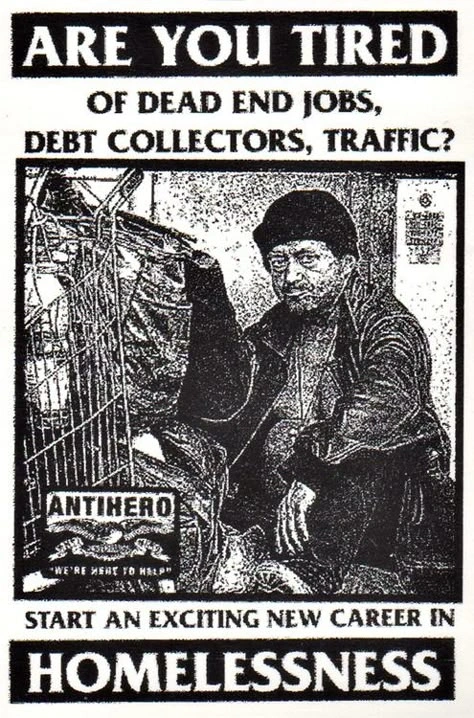
Why We Love the Bad Guys: Anti-Heroes & Our Cynical Age
From Walter White to Fleabag, anti-heroes dominate our screens. This article explores how their rise reflects a deeper societal cynicism and a surprising return to 'Beauty and the Beast' dynamics.
The modern entertainment landscape is awash with characters we love to hate, or perhaps, hate to love. They lie, they cheat, they break rules, sometimes for noble reasons, often for selfish ones. They are anti-heroes, and their ubiquitous rise says something profound about our contemporary psyche.
Embracing the Flaw
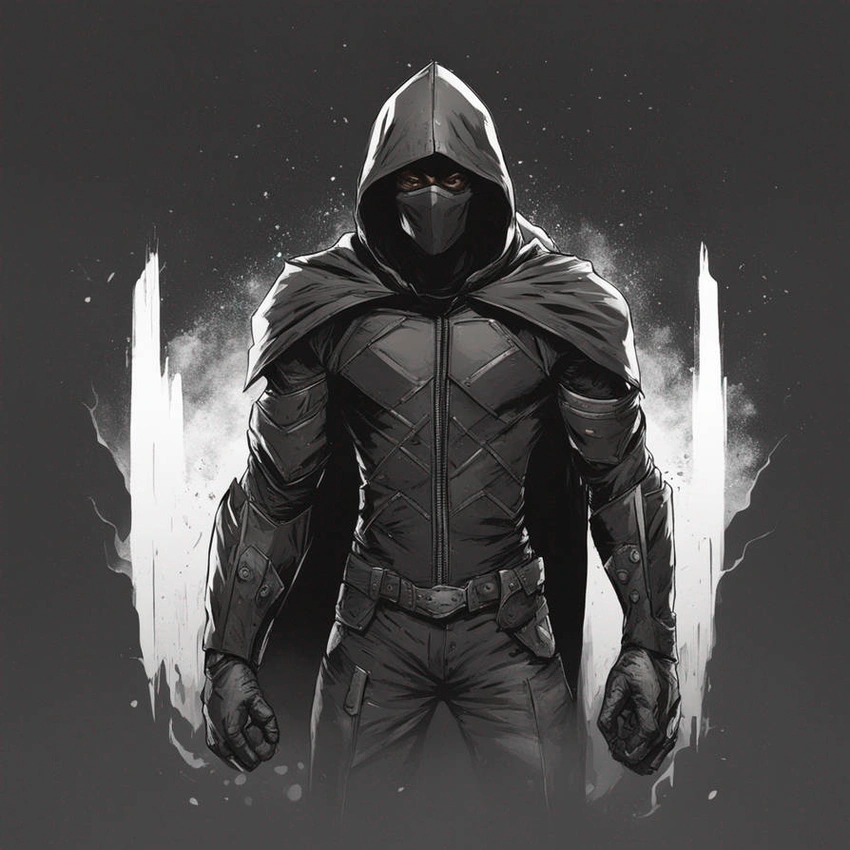
Gone are the days when protagonists needed to be paragons of virtue.
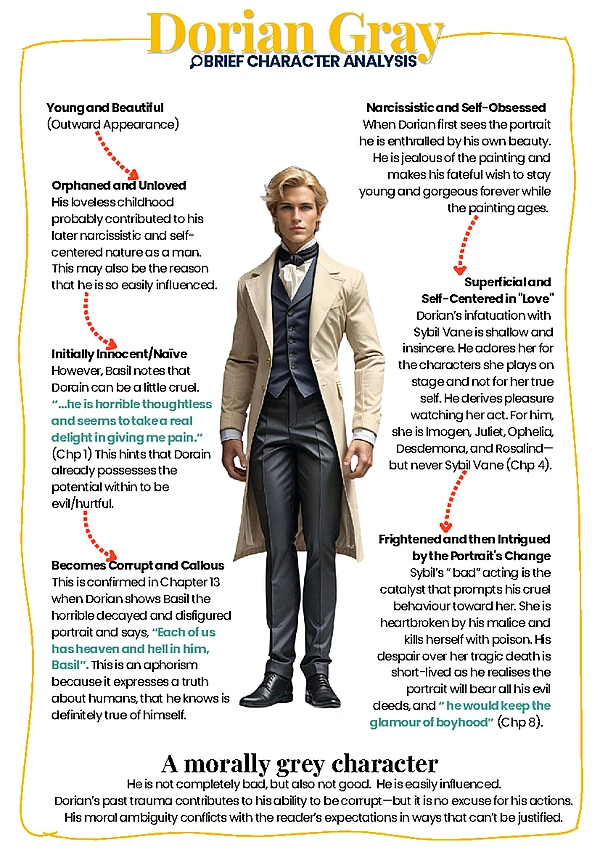
Today, audiences are drawn to characters like Don Draper, Tony Soprano, or even Fleabag, precisely because of their imperfections. Their internal conflicts, moral compromises, and outright villainous tendencies make them feel more real, more human, than any squeaky-clean hero could.
We see our own complexities, our own potential for darkness, reflected in their flawed humanity.
A Cynical Mirror to Society
It's a direct symptom of pervasive public cynicism. In an era marked by distrust in institutions, political leaders, and even established narratives, the traditional hero feels naive, even unbelievable. Anti-heroes, with their pragmatic approach to morality and their willingness to operate in shades of gray, validate our suspicions about the world.
They suggest that the systems are rigged, that purity is a myth, and that true change often requires dirty hands.
The 'Beauty and the Beast' Paradox Returns
Consider the classic tale of 'Beauty and the Beast.' Beauty is drawn to the Beast not for his outward appearance, but for a hidden good, hoping to transform him. With modern anti-heroes, the dynamic is flipped. We, the audience (Beauty), are drawn to the 'Beast' (anti-hero) not necessarily to transform them, but because we recognize his beastliness as a reflection of a brutal world, or even ourselves.
We're fascinated by the raw, untamed aspects, acknowledging that the world often demands such traits for survival.
It’s less about seeing the good beneath the gruff exterior, and more about understanding why the exterior is gruff in the first place. “Perhaps we’re no longer looking for heroes to inspire us to be better, but anti-heroes to confirm what we already suspect about the world, and ourselves.” This shift indicates a desire for truth over idealism, however uncomfortable that truth may be.

Beyond Redemption: A New Narrative
Many anti-hero narratives defy simple redemption arcs. Walter White doesn't become a good man; he becomes a powerful one, often at a great cost. Villanelle in 'Killing Eve' remains lethal and compelling.
This lack of a clear moral compass, or a tidy resolution, resonates with an audience tired of predictable morality plays. It suggests that some lines, once crossed, cannot be uncrossed, and that consequences are often complex and messy, just like life itself.
What Does This Say About Us?
The popularity of anti-heroes isn't merely a trend; it's a cultural barometer. It points to a collective weariness with simplistic answers and an increasing comfort with complexity and moral ambiguity.
While it makes for compelling television and film, it also begs the question: Does our fascination with these characters foster deeper understanding, or does it merely normalize cynicism, making us more resigned to a world where 'good' seems increasingly out of reach?
