Abe’s killer gets life in prison in landmark verdict

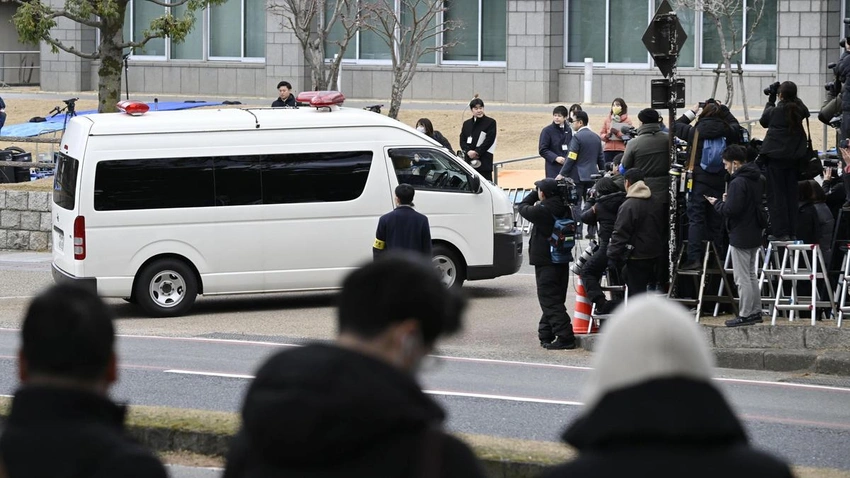
Abe’s killer gets life in prison in landmark verdict
A man who killed Shinzo Abe is sentenced to life in prison after a two-month trial, in a case that shook Japan and raised questions about postwar security.
In Tokyo, a Japanese court on Thursday handed down a life sentence to Tetsuya Yamagami, the man who killed former prime minister Shinzo Abe at a campaign rally in 2022. The two-month trial concluded with prosecutors urging the harshest possible punishment, arguing the shooting was a grave attack on Japan’s postwar order.
Yamagami, 45, admitted to firing a homemade gun at Abe as he spoke at a street-side event, an act that stunned a nation long accustomed to political stability. Investigators said the motive appeared tied to Japan’s controversial faith-based group, the Unification Church, though the case centered on the violence of the act itself.
The court described the crime as premeditated and highly dangerous, noting the broad, lasting impact on public security and the sense of safety at political events. By imposing life imprisonment, the judge signaled that such an attack against a national leader would be met with unwavering severity, regardless of the suspect’s background or motives.
Abe, who directed Japan for most of the 2000s and early 2010s, remains a defining figure in the country’s postwar political landscape. His assassination in 2022 prompted national reflection on security at rallies and raised questions about the influence of religious groups on politics. The verdict is likely to shape public conversations about safeguarding political life and the ongoing role of civilian vigilance.
While the case ends in court, the broader implications linger. Critics and analysts say the case underscores the need for clear lines between religious organizations and public life in Japan, and supporters hope it brings some measure of closure to those affected by the tragedy.
