Japan's Sanae Takaichi Bets Big in Snap Election Landslide

Japan's Sanae Takaichi Bets Big in Snap Election Landslide
Japan's PM Sanae Takaichi seeks a sweeping mandate to push a conservative agenda amid tensions with China and strong U.S. ties.
Prime Minister Sanae Takaichi is aiming to translate sky-high popularity into a sweeping mandate in a snap election, betting on a strong economy and a tougher stance on immigration and China. The decision to call a vote comes as she seeks to turn around a party that has governed Japan for much of the past seven decades and push through a bold conservative program. Campaign events in Tokyo have underscored her message: relentless work to revive growth, bolster national security, and stand firm on regional challenges.
Recent surveys by major Japanese newspapers point to a landslide for the Liberal Democratic Party in the lower house. The opposition remains splintered, and analysts see a path to a comfortable majority for the ruling bloc, especially if it wins a simple majority on its own or with a coalition partner. The 465-seat lower house could see the LDP approach around 300 seats with the help of its new partner, the Japan Innovation Party, a significant jump from recent election results.
Takaichi, who became Japan’s first female prime minister in October, has cultivated a reputation for a blend of playfulness and toughness. She has embraced a high-energy campaigning style, telling supporters she will “work, work, work” to deliver on her promises as she seeks a mandate that would enable rapid policy moves. Her platform emphasizes reviving the economy, expanding Japan’s military capabilities, and tightening immigration controls, all while reinforcing the nation’s alliance with the United States.
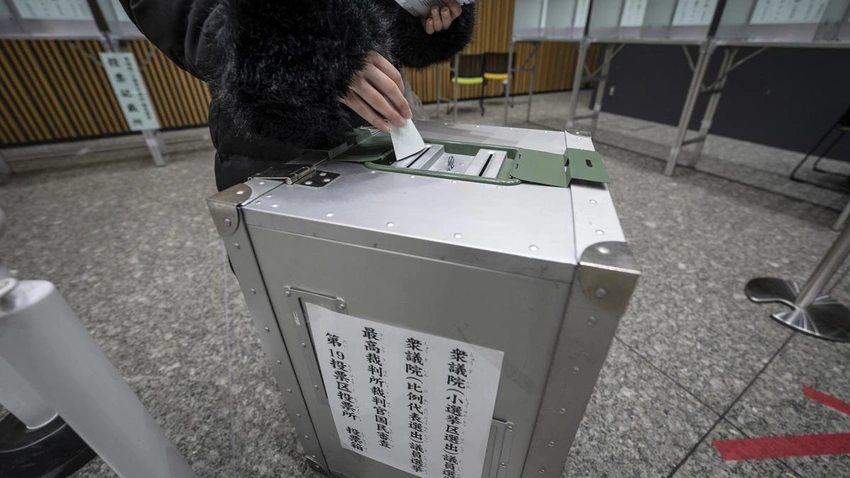
The opposition, including centrist and far-right factions that recently formed new blocs, has struggled to present a unified challenge, making the snap election a critical test of Takaichi’s leadership and her plan to push through a hard-line agenda. While voters head to the polls, observers note the broader implications for Japan’s direction on trade, defense, and regional diplomacy amid increasing tensions with China and a continued emphasis on the U.S.-Japan alliance.
If her party can deliver the kinds of numbers projected by pollsters, lawmakers in Tokyo could see a faster path to enacting the conservative program she champions, reshaping the country’s policy priorities for years to come.
