Australia rolls out sweeping veteran reforms to speed claims and expand care

Australia rolls out sweeping veteran reforms to speed claims and expand care
Australia rolls out sweeping veteran reforms to speed claims and expand care
Matt Keogh unveils sweeping reforms for veterans, tackling suicide, sexual violence, and claim delays.
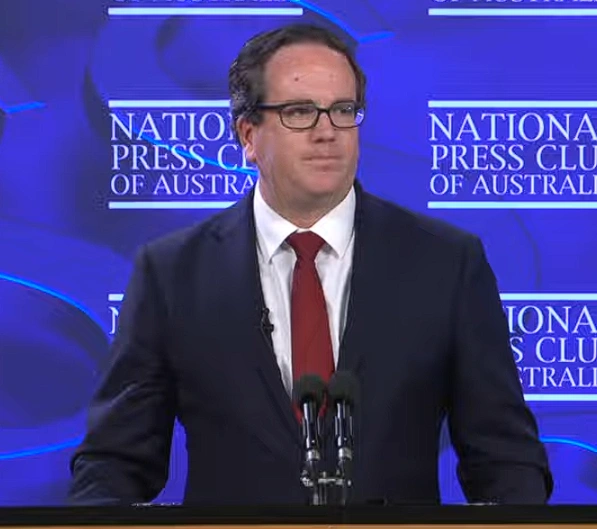
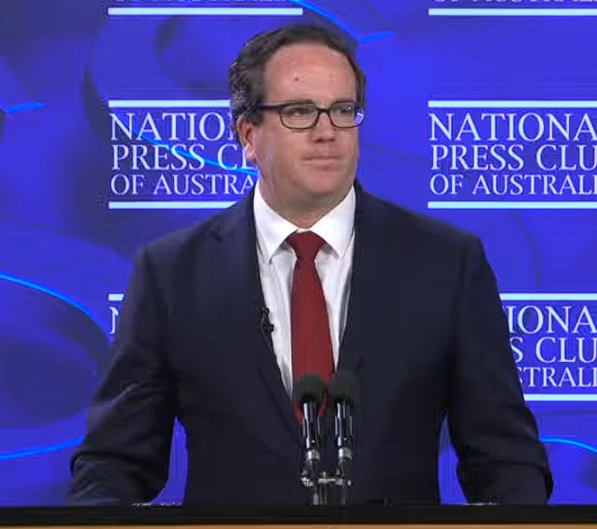
Australia’s veterans are at the center of a major policy shift. Minister for Veterans’ Affairs and Defence Personnel Matt Keogh used his National Press Club address to announce sweeping reforms. His message was clear: cultural change, faster claims, and stronger health support are non-negotiable.
The Royal Commission into Defence and Veteran Suicide revealed shocking statistics. More than 1,800 serving and ex-serving members died by suicide between 1997 and 2023. A backlog of 42,000 claims left veterans waiting months, sometimes years, for help. Keogh admitted the system was broken.
The government has acted. Half a billion dollars was committed in 2022. Five hundred new staff were hired to clear the backlog. Claims are now processed in about 110 days. By July 2026, a single streamlined system will replace the confusing patchwork of laws.
Health support is expanding. Funding for care services has risen by $1.3 billion. Veterans now have access to PTSD therapies, medicinal cannabis, and psychiatric assistance dogs. A new mental health plan tailored for veterans will launch in mid-2026. Keogh stressed that treatment must be lifelong, not temporary.
Sexual violence in Defence is being confronted head-on. All misconduct is now labeled “sexual violence.” Mandatory training and updated policies are in place. An independent inquiry will begin in 2026 to investigate systemic failures. Keogh admitted Defence “still hasn’t got this right.”
Recruitment and retention are improving. Separation rates have dropped to 7.9%, the lowest in a decade. Over 7,000 recruits joined in 2024-25, the highest intake in 15 years. Flexible housing and continuation bonuses are credited for the turnaround.
Advocacy is also under reform. Exploitative paid advocates are being targeted. A new Institute of Veterans Advocacy will regulate training, ethics, and fees. Volunteer advocate programs will receive double the funding.
Keogh’s vision is bold. A Defence and Veterans Service Commission will provide independent oversight. A Veteran and Family Well-being Agency will launch in July 2026. The goal is simple: faster support, stronger health care, and cultural change across Defence.
This is not just policy. It is survival. Veterans deserve a system that works. Keogh’s reforms are designed to deliver exactly that.
