India approves Rs 11,718 crore for Census 2027 in two-phase plan

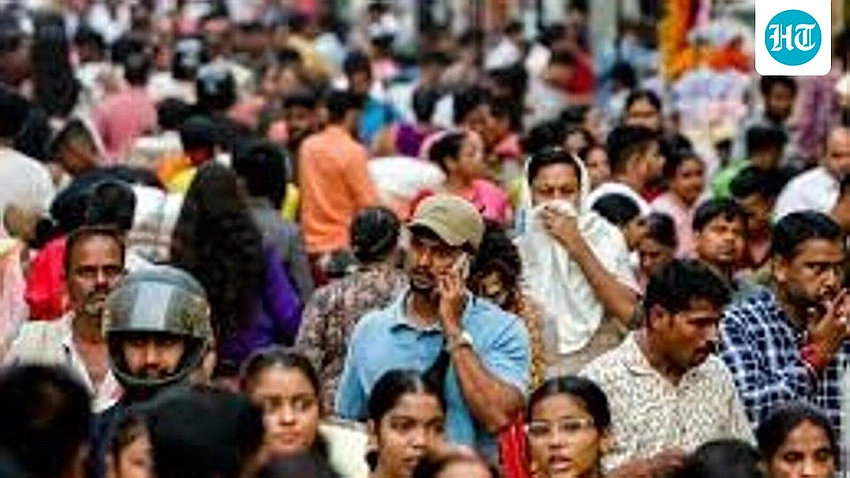
India approves Rs 11,718 crore for Census 2027 in two-phase plan
Cabinet okays ₹11,718 crore for Census 2027, to run in two phases from 2026 to 2027, including housing data and caste details for a digital, policy-ready census.
New Delhi, India, is poised for a historic data exercise as the Union cabinet approved ₹11,718 crore for Census 2027, a budget that underscores the country’s push toward a digitized and comprehensive headcount. This decadal census is described as one of the world’s largest administrative and statistics operations, with caste enumeration now part of its scope. The last census was in 2011, and Census 2021 could not be completed due to the Covid-19 pandemic, making the 2027 exercise particularly significant for planning, policy, and public administration.
The Census 2027 plan is to be carried out in two phases. Phase one, houselisting and housing census, will run from April to September 2026, collecting data on housing conditions, assets, and amenities for each household. Phase two, population enumeration, is scheduled to begin in February 2027 and will gather demographic, socio-economic, cultural, and other details for every person in each household. Officials say data collection will end by March 1, 2027, with compilation and publication to take two to three years. A gazette notification announcing the intent to conduct the exercise was issued on June 16, and the process will be conducted in coordination with state governments, reflecting cooperative federalism.
Underlining the digital push, the plan is described as the country’s first fully digital census, with state capacity and pre-tests already in motion. The exercise will include caste details, aiming to provide a richer data foundation for policy making and resource allocation. Some projections suggest the census could generate substantial employment opportunities as new data infrastructure and processes come online, highlighting its broader economic and administrative impact.
Overall, Census 2027 represents a major shift toward more accurate, timely, and granular data that could shape governance, development programs, and social insights for years to come. The two-phase approach and the emphasis on digital delivery point to a modernized framework designed to inform decisions at the national and state levels.
Cover image source: Modi cabinet approves ₹11,718 crore for Census 2027; data collection from 2026 🔗
