Artemis II: NASA's April 1 launch window and backup plan explained

Artemis II: NASA's April 1 launch window and backup plan explained
NASA readies Artemis II with tanking underway, outlining backup windows through late April as four astronauts head for a 10-day lunar loop.
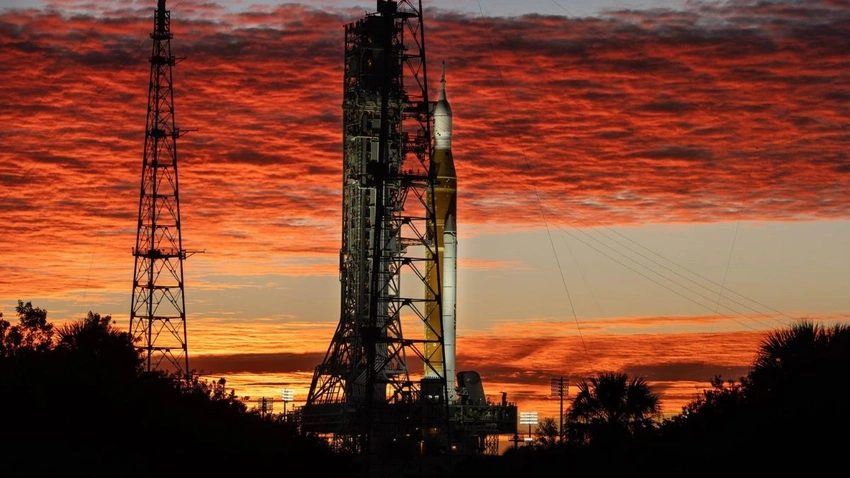
NASA is lining up for Artemis II, the first crewed test flight of the Artemis era. Officials have given the go for tanking, clearing teams to begin loading propellants into the Space Launch System rocket. The process starts with chilling down the transfer lines for liquid oxygen and liquid hydrogen, a standard pre-fueling step. The mission's primary launch window on April 1 is scheduled to run about two hours, with additional opportunities each day through April 6 and a final backup on April 30. Each window lasts around 120 minutes, and planners have also accounted for lighting conditions around sunset on each day.
Four astronauts — Reid Wiseman, Victor Glover, Christina Koch, and Canadian Space Agency astronaut Jeremy Hansen — will fly aboard Orion on a roughly 10-day loop around the Moon. The mission will test life-support and other systems with crew on board for the first time since Apollo, helping validate the architecture for future surface landings.
Artemis II will lift off from Kennedy Space Center in Florida, with the launch windows designed to account for weather, lighting, and sea conditions. The mission’s path will take Orion on a distant lunar trajectory, including periods when it passes behind the Moon. During those segments, communications with Earth may be briefly interrupted as the Moon blocks the line of sight.
During the mission, Orion will trace a lunar path and at times pass behind the Moon, causing a temporary comm blackout with Earth for about an hour. The crew is not expected to land on the Moon during this flight; instead, it will set the stage for future crewed landings and longer deep-space stays as part of the Artemis program.
Backups are essential given the schedule, which includes a backup on April 30 if earlier windows are missed. The launch, from the Kennedy Space Center in Florida, aligns the team for broader goals: validating life support, communications, and propulsion systems for longer, more ambitious missions ahead.
