The Healing Seal Effect: How Covered Acne Recovers Faster Than Exposed Breakouts
The Healing Seal Effect: How Covered Acne Recovers Faster Than Exposed Breakouts
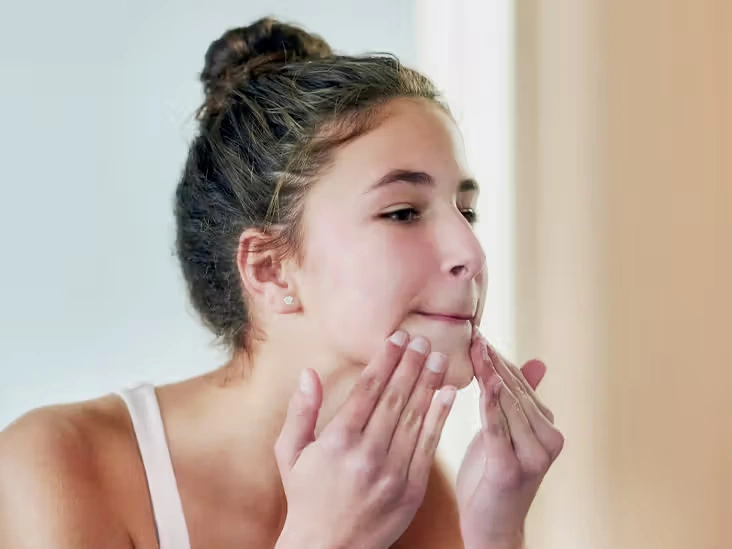
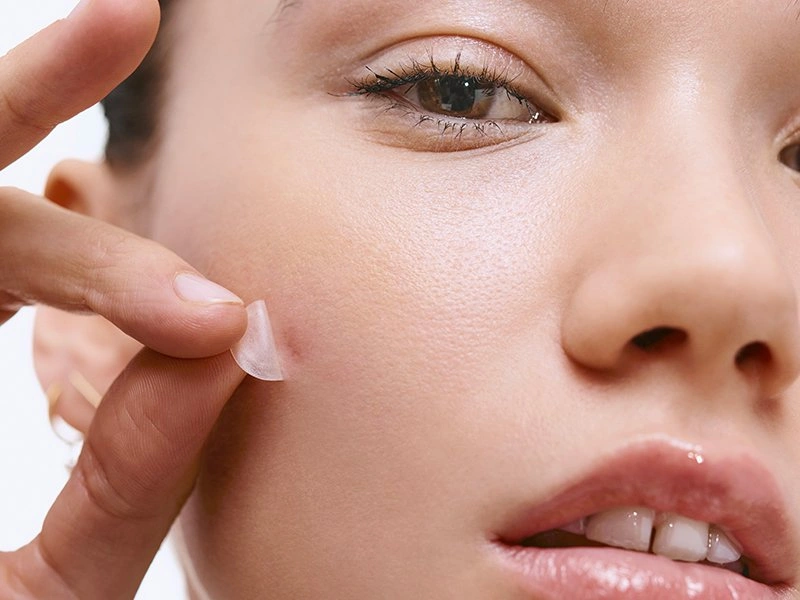
Acne treatment has evolved beyond drying out pimples and hoping they disappear quickly. A new concept known as the “Healing Seal Effect” is changing how we approach breakouts and post-acne recovery. Instead of exposing pimples to air, modern dermatology suggests that covering them at the right stage can significantly speed up healing and reduce long-term damage. While many people rely on an invisible pimple patch 🔗 to protect active breakouts, combining this approach with the right post-acne care strategy can also minimize scarring.
This blog explores how sealing acne lesions helps the skin heal faster, why exposure can worsen inflammation, and how to transition from breakout care to scar recovery effectively.
What Is the Healing Seal Effect?
The Healing Seal Effect refers to the process of covering an active pimple to create a controlled environment that promotes faster healing. When a breakout is sealed, it is protected from external irritants such as bacteria, dirt, and pollution.
This controlled environment helps
• Absorb excess fluid and oil
• Reduce bacterial contamination
• Prevent picking and touching
• Speed up the natural healing process
Unlike traditional treatments that dry out pimples, this method focuses on maintaining optimal healing conditions.
Why Exposed Pimples Heal Slower
Leaving a pimple uncovered may seem harmless, but it often delays recovery. Exposure to air, pollutants, and touch can aggravate inflammation and increase the risk of infection.
Common issues with exposed acne include
• Increased redness and swelling
• Higher chance of bacterial spread
• Greater likelihood of scarring
• Slower healing time
When pimples are repeatedly touched or irritated, the skin’s repair process is disrupted, making the breakout last longer.
How Pimple Patches Work
Pimple patches are designed using hydrocolloid technology, which creates a moist healing environment. This type of dressing absorbs pus and oil while keeping the area protected.
Benefits of using patches include
• Faster reduction in pimple size
• Less visible redness
• Protection from external contaminants
• Reduced urge to pick at the skin
They are especially effective for whiteheads and early-stage pimples, where fluid absorption can significantly improve healing speed.
Morning Protection: Preventing External Damage
During the day, your skin is exposed to environmental stressors that can worsen acne. Using protective solutions like patches helps maintain hygiene and prevent further irritation.
Daytime protection helps
• Shield acne from pollution
• Prevent accidental touching
• Maintain a clean healing environment
This approach is particularly useful for people with active lifestyles or those frequently exposed to polluted environments.
Nighttime Healing: Maximum Repair Mode
Nighttime is when your skin naturally repairs itself. Applying protective treatments during this phase enhances the healing process.
Covered acne heals more efficiently at night because
• Skin regeneration is at its peak
• Blood circulation increases
• Active ingredients penetrate better
Combining nighttime repair with protective coverage ensures that the skin heals without interruption.
Scientific Insight: Moist Healing Improves Recovery
Studies show that moist wound healing environments significantly improve recovery time and reduce scarring. Hydrocolloid dressings have been widely used in dermatology to accelerate healing and minimize tissue damage.
This supports the idea that covering acne is not just cosmetic but scientifically beneficial for faster and healthier skin recovery.
From Breakout to Scar: What Happens Next
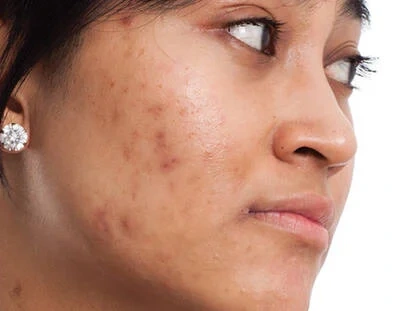
Even after a pimple heals, the skin may show signs of damage in the form of dark spots or uneven texture. This occurs due to inflammation and disruption of collagen during the healing process.
Post-acne marks develop because
• Inflammation triggers excess melanin production
• Skin barrier weakens during healing
• Collagen structure is affected
Addressing this stage is just as important as treating the active breakout.
Transitioning from Pimple Care to Scar Repair
Once the active acne subsides, your focus should shift to repairing the skin and improving its texture. This is where targeted treatments for scars become essential.
Effective scar care helps
• Boost collagen production
• Improve skin texture
• Reduce pigmentation
• Restore even skin tone
Consistency is key when treating acne scars, as results develop gradually over time.
Common Mistakes That Lead to Scarring
Preventing scars is easier than treating them. Avoiding certain habits can significantly reduce the risk of long-term marks.
Do not
• Pick or squeeze pimples
• Skip post-acne care
• Overuse harsh treatments
• Ignore early-stage acne
These mistakes can deepen skin damage and make scars more difficult to treat.
The Future of Acne Care: Protection and Repair
Modern skincare is moving toward a dual approach that combines protection during active breakouts and repair after healing. This ensures that the skin not only recovers quickly but also maintains its overall health and appearance.
This approach reduces
• Breakout duration
• Risk of infection
• Chances of scarring
By focusing on both stages, you can achieve clearer skin with fewer long-term effects.
Conclusion
The Healing Seal Effect highlights a smarter way to treat acne. Covering breakouts instead of exposing them creates an ideal environment for faster healing and reduced inflammation. This method not only improves recovery time but also minimizes the risk of long-term damage.
Once the breakout has healed, incorporating targeted treatments like an acne scar treatment cream 🔗 🔗into your routine can help restore skin texture, reduce marks, and support long-term skin clarity.
Call to Action
Upgrade your acne care routine with solutions designed for both protection and repair. Explore effective skincare products at World of California 🔗 and take the next step toward healthier, clearer skin.
FAQs
Do pimple patches really work?
Yes, they absorb excess fluid, protect the skin, and speed up healing.
Can I use pimple patches during the day?
Yes, especially invisible patches that blend with the skin.
Do patches prevent acne scars?
They help reduce the risk by preventing picking and minimizing inflammation.
When should I start treating acne scars?
After the active pimple has healed and inflammation has reduced.
How long does it take to fade acne scars?
It depends on the severity, but consistent treatment can show improvement over time.
