Raghu Rai Dies at 83; A Lens that Shaped India and Punjab Relief
Raghu Rai Dies at 83; A Lens that Shaped India and Punjab Relief
Renowned photographer Raghu Rai passes away at 83 as tributes pour in; his last years included a charity Prints for Punjab campaign supporting flood victims.
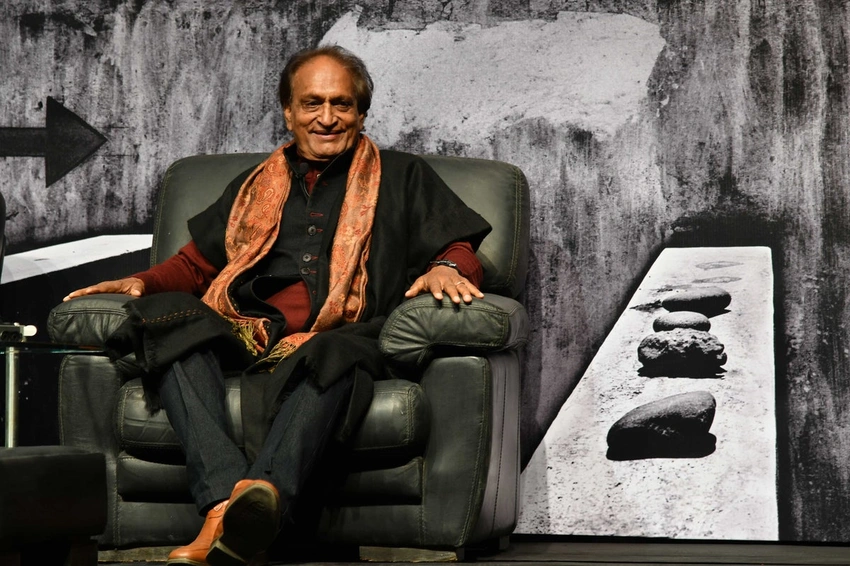
A legendary figure in Indian photojournalism has died at 83, leaving behind a body of work that many describe as a visual chronicle of a nation. Raghu Rai’s career spanned decades, and his wide-angle scenes and patient framing earned him a reputation as one of the country’s most influential image-makers. He didn’t just document history—he helped people see it in a new way, shaping how generations understand India through the camera.
In addition to his celebrated images, Rai also lent his name and network to humanitarian efforts. He helped organise a charity initiative called Prints for Punjab, a collaborative effort with fellow photographers and artists to raise funds for on-ground relief and rehabilitation for flood-affected families in Punjab. The project brought together a diverse group of photographers, including Dheeraj Paul, Suman Mishra, Kartik Avatani, Srinwantu Sanyal, Prajwal Mohite, Shanker Raman, and many others, all contributing signed A4 prints for donations.
Each print carried a signature and was offered for ₹10,000, with the proceeds destined to Global Sikhs, an organization engaged in relief work for families displaced by the floods that swept across thousands of villages in August and September 2025. Rai described the effort as a direct link between global photographers and on-ground relief teams, emphasizing that every rupee would go toward helping those affected. While the campaign featured 20 prints, detailed public information about the campaign’s ongoing status remained scarce at the time Rai’s circle highlighted the initiative as a way to mobilize support for the crisis.
The Punjab floods of 2025 stood as the state's most severe deluge in nearly four decades, triggered by record monsoon rains in upstream regions and subsequent dam releases. The disaster underscored the vulnerability of rural infrastructure and livelihoods, setting a stark backdrop to Rai’s final public acts of storytelling and support. Tributes poured in for Rai’s lifetime of work—described as a fearless, cinematic approach to documenting life—while colleagues and fans remembered a photographer who could “invent a way of seeing India” with a single frame. His passing marks the loss of a towering figure in Indian photography, whose images and charitable efforts leave a lasting imprint on the profession and the people he sought to illuminate.
