IS claims suicide attack on Islamabad Shia mosque; toll climbs to 36

IS claims suicide attack on Islamabad Shia mosque; toll climbs to 36
IS claims deadly suicide blast at Islamabad Shia mosque, as toll rises to 36 and security agencies investigate amid rising sectarian tension in Pakistan.
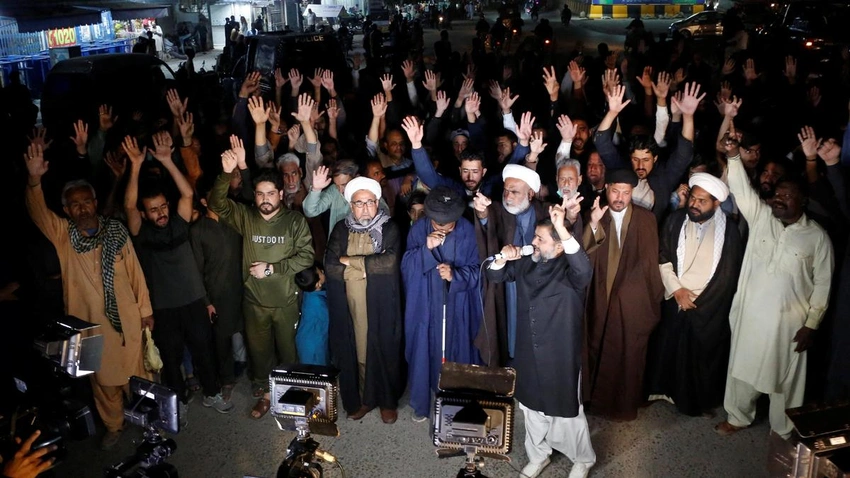
Islamabad was shaken by a suicide blast at the Khadijatul Kubra mosque in the Tarlai area during Friday prayers, leaving many worshippers dead or injured. The latest official toll stood at 36, with dozens more in hospital as the crowd dispersed and doctors battled to save lives. Earlier figures put the death count lower, but the number rose as more victims succumbed to their injuries.
The Islamic State issued a claim through its mouthpiece, saying the attack was a Fidayeen operation carried out by a soldier of the Islamic State in Pakistan Province. The group identified the bomber as Saifullah Ansari and posted his photo as part of the claim. In its narrative, IS suggested a far larger casualty figure, claiming hundreds of casualties, even as authorities reported 36 dead and many more injured.
Security officials are investigating the attack, which has heightened concerns about sectarian tensions in the country. The blast, the deadliest in Islamabad since the 2008 Marriott bombing, occurred at a sensitive time as Pakistan faces insurgent activity in regions bordering Afghanistan. The incident follows other militant incidents in recent months and comes as international scrutiny focuses on the risk of broader regional spillover.
Pakistan’s security establishment has noted denials from other groups about involvement, with some organisations disputing IS claims. The attack also arrived amid political and security pressures, including ongoing efforts to secure the country from extremist ideologies and militant networks. The broader context includes reports of IS links and aspirational calls for terror networks to shift allegiances, underscoring a continued threat landscape for ordinary worshippers and residents alike.
