India-EU FTA Breakthrough: A New Era for Trade and Jobs

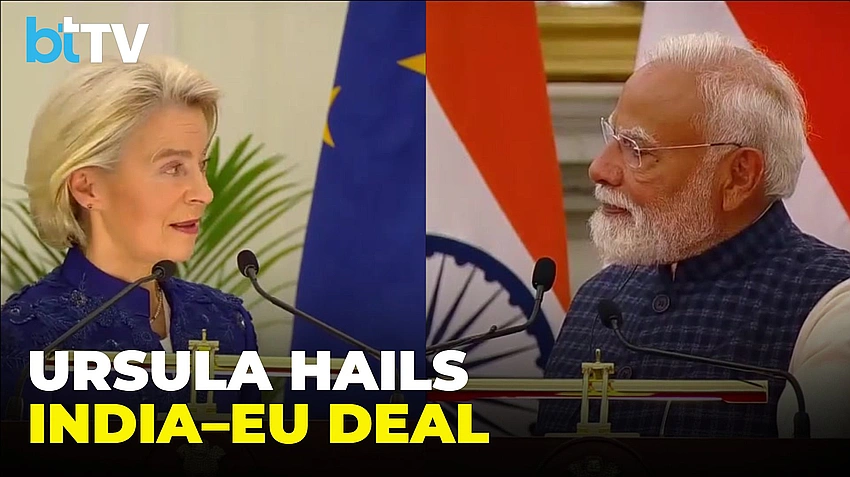
India-EU FTA Breakthrough: A New Era for Trade and Jobs
Historic India-EU trade pact slashes tariffs, expands market access, and backs India’s rise as a global manufacturing hub.
A historic India-EU trade agreement signed on January 27, 2026, is being described as a watershed moment for both sides and for India’s growth trajectory. The discussion, featuring key industry leaders and policy experts, labeled the pact as the “mother of all deals” given its scale, scope, and potential impact on jobs, technology transfer, and global supply chains. The agreement brings together a 27-member bloc and positions India as a major driver of manufacturing and trade in the years ahead.
The pact promises tariff elimination on 96.8% and 92.1% of tariff lines, signaling a dramatic reduction in barriers across goods and services. For India, this opens doors to Europe’s vast trading ecosystem and sets the stage for intensified competition and collaboration in sectors ranging from textiles to advanced manufacturing.
One of the standout elements is zero-duty access into Europe’s textile market, valued at about $263.5 billion, with tariff reductions of up to 12% on many lines. Such access is expected to boost India’s textile and apparel exports, contributing to stronger growth in labour-intensive sectors and potentially driving more jobs and investment back home.
Beyond textiles, the FTA is poised to channel increased investment, technology transfer, and mobility partnerships. Industry leaders estimate more than 6,000 European companies could deepen their footprint in India, strengthening supply chains and helping to position India as a global manufacturing hub on par with its reform-era ambitions. The deal’s broader narrative also frames India as a key player in a more integrated, resilient global economy—an objective many see as echoing the significance of the 1991 economic reforms.
European Commission President Ursula von der Leyen heralded the agreement as a milestone, describing the summit as a culmination of a year-long commitment and a serious intent now realised. She noted that the pact creates a market of two billion people and blends Indian scale and skills with European technology and innovation to deliver growth neither side could achieve alone.
Officials stress that the FTA is expected to become operational in 2026, with certain elements continuing to adapt as the two economies align policies and implementation timelines. For now, the Comprehensive Agreement keeps CBAM (carbon border adjustment mechanism) applicable, ensuring environmental considerations keep pace with rapid trade expansion. Labour-intensive sectors like textiles and leather stand to benefit from zero tariffs, while the broader framework promises longer-term competitiveness and job creation.
While optimism runs high about growth, industry observers caution that the real test lies in execution, ensuring smooth implementation, safeguarding domestic industries, and delivering tangible price benefits to consumers without disrupting supply chains. Still, the consensus among policymakers and business leaders is that the 2026 FTA marks a pivotal shift toward deeper India-EU economic integration and a stronger, more interconnected global economy.
