Minneapolis Sparks Nationwide Anti-ICE Protests After Fatal Shootings

Minneapolis Sparks Nationwide Anti-ICE Protests After Fatal Shootings
Thousands rally in Minneapolis as protests spread across the country over federal immigration enforcement and two deadly shootings, as a judge's ruling keeps ICE deployments in place.
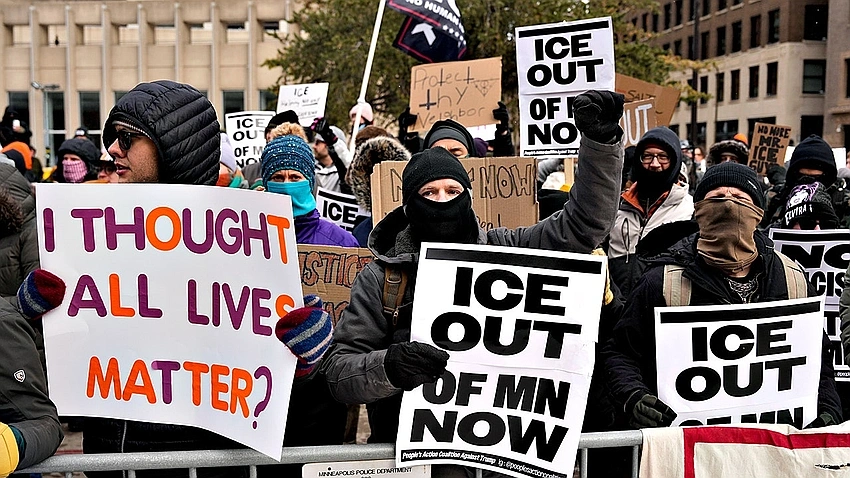
A federal judge on Saturday denied a state government request to block the Trump administration's deployment of thousands of federal immigration agents in Minneapolis. Judge Katherine Menendez said in her ruling that the immigration enforcement operation has had, and will likely continue to have, profound and even heartbreaking consequences on the State of Minnesota, but the state had not proved the deployment was unlawful. The ruling comes as thousands nationwide have taken to the streets to protest the enforcement actions, with demonstrations planned in New York, Los Angeles, Chicago and Washington, D.C. Organisers called on Americans to stay home from work and school.
The protests are fueled by the deaths of Renee Good and Alex Pretti, Minneapolis residents who were killed during enforcement actions by federal agents. Good, a 37-year-old nurse, was the first to die in January, with Pretti later becoming the second Minneapolis resident shot and killed by federal immigration officials since their arrival. The Justice Department opened a civil rights investigation into Pretti's death on Friday, adding to the public outcry over how enforcement proceedings are carried out.
In Minnesota, state and local officials argued that deploying 3,000 immigration agents violated the state's sovereignty, but the judge did not rule that the surge was unlawful. Across the country, protesters criticized what they described as racial profiling and excessive force, underscoring a nationwide backlash against immigration enforcement policies. The latest developments come as organizers, lawmakers and communities demand greater accountability and a re-evaluation of federal immigration tactics.
The DOJ's civil rights probe into Pretti's death and the ongoing protests together shape a tense national debate over how immigration enforcement should be conducted and overseen, with many calling for reforms to prevent further tragedies.
