Nirvana’s 'Nevermind': How Grunge Killed 80s Hair Metal Overnight (Top 5 Essential Songs)

Remember when hair metal ruled the airwaves? Then Nirvana’s “Nevermind” dropped, and everything changed. Explore how grunge ushered in a new era of rock.
The Day the Music Changed
September 24, 1991. Mark that date. It's when Nirvana released 'Nevermind', an album that didn't just climb charts, it detonated a cultural bomb, reshaping the soundscape of popular music seemingly overnight.
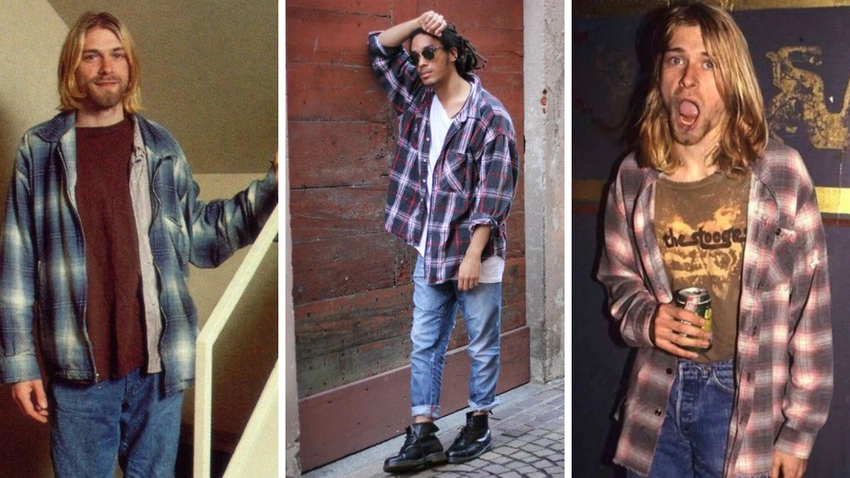
Before 'Nevermind', FM radio was awash with the big hair, power ballads, and flashy guitar solos of 80s hair metal. After? It was a flannel-clad, angsty, and undeniably authentic new world.
The shift was less a gradual fade and more an abrupt, brutal reality check for the spandex-clad rock stars.
From Gloss to Grit: The Great Unraveling
Hair metal, for all its pyrotechnics and stadium anthems, had grown stale. It was escapism, pure and simple, a fantasy world of excess and hedonism. But as the 90s dawned, a generation felt disaffected, cynical, and tired of the polished facade.
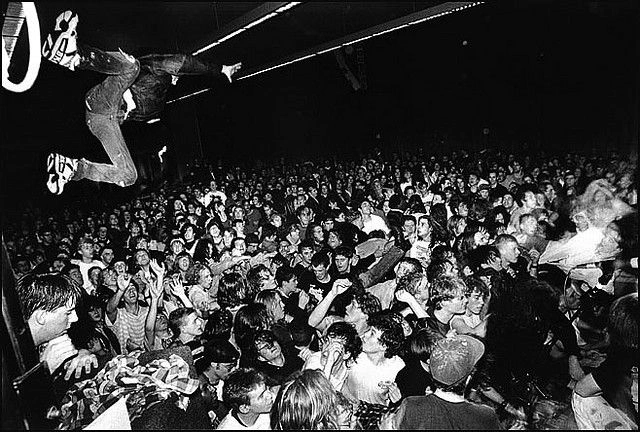
Enter Nirvana. Their sound was raw, noisy, and deeply personal, reflecting a collective unease. Kurt Cobain wasn't posing; he was bleeding his soul onto the stage, and audiences, especially younger ones, responded with a fierce, almost desperate loyalty.
It was about feeling everything.
The contrast was stark. While Mötley Crüe sang about “Girls, Girls, Girls,” Nirvana screamed “Smells Like Teen Spirit.” One offered a party; the other, a revolution. As Kim Thayil of Soundgarden put it, “Grunge was honest.
It was about writing songs, not about looking pretty.” This raw honesty proved to be the ultimate weapon against the artifice that had defined the previous decade's rock giants.
'Nevermind': The Sound of a Generation's Discontent
'Nevermind' wasn't just an album; it was a cultural reset button. Its sound was a glorious mess, a blend of punk energy, pop hooks, and heavy rock dynamics. It captured the ennui and angst of suburban youth with brutal precision, articulating feelings many didn't even know they had until Cobain sang them.
Here are five essential tracks that show exactly how Nirvana, and grunge, changed the game:
- “Smells Like Teen Spirit”: The undisputed anthem. Its quiet-loud dynamic became a blueprint, and its iconic video was a constant presence on MTV, effectively pulling the rug out from under every hair band’s perfectly coiffed head.
- “Come As You Are”: A more introspective, melodic track showcasing Cobain's songwriting depth. It felt both inviting and melancholic, a subtle counterpoint to the album's raw power.
- “Lithium”: A psychological rollercoaster, moving from a gentle hum to a full-blown scream. It encapsulated the emotional turmoil that resonated with so many.
- “In Bloom”: A sarcastic poke at those who didn't understand their movement, yet still delivered with an undeniable, catchy force. It's ironic, powerful, and utterly Nirvana.
- “Drain You”: A sonic assault that swings between delicate verses and explosive choruses. It demonstrated the band's dynamic range and relentless energy. Image search term: Nevermind album cover, 90s alternative rock playlist
What Happened to the Excess?
The impact of 'Nevermind' was immediate and profound.
Record labels, desperate to replicate Nirvana's success, began dropping hair metal acts in favor of anything that sounded remotely 'alternative'.
Suddenly, the leather pants and Aqua Net seemed outdated, replaced by ripped jeans and thrift-store cardigans.
It was a seismic shift in attitude, fashion, and cultural values. The party was over, and a new, grungier reality had set in. So, did grunge really “kill” hair metal overnight?
Perhaps not literally overnight, but 'Nevermind' certainly pulled the trigger on a transformation that was as swift as it was undeniable.