Congress accuses Centre of deceit over delimitation amid caste census row

Congress accuses Centre of deceit over delimitation amid caste census row
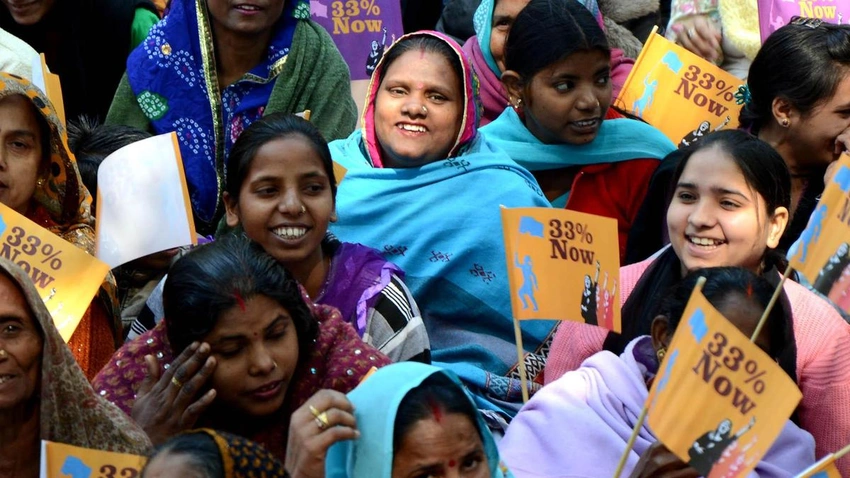
Congress claims the delimitation bills break prior assurances on seat increases and hints at a hidden bid to sidestep caste census, tying the move to 33% women’s reservation.
The Congress on Wednesday sharpened its attack on the government’s delimitation proposal, with Jairam Ramesh accusing Prime Minister Narendra Modi of deliberate deceit. In a post on X, he said the bills circulated ahead of Parliament’s special sitting contradicted the assurances given earlier about a uniform proportionate increase in Lok Sabha strength for all States. The party framed the move as a calculated attempt to shift political power and disengage from a caste census.\n\nThe Congress argued that the timing and content of the drafts point to an agenda rooted in political optics rather than fair representation. It asserted that the Centre is using delimitation to redraw seats in a way that could dilute or erode the impact of caste-based data, which many parties have long linked to policy decisions. The party warned that such a strategy would undermine transparency and accountability in how parliamentary strength is allocated to states.\n\nSeparately, the government circulated drafts of the Constitution (131st) Amendment Bill and the Delimitation Bill, saying the measures are meant to expedite the implementation of a 33% reservation for women in the Lok Sabha and state legislatures. The proposals also envisaged inter-State redistribution of seats based on the 2011 Census, with Hindi-heartland states projected to gain seats and southern states to lose some, if enacted.\n\nThe bills would enable seats to be increased to as many as 850 in the Lok Sabha, with women’s seats to be reserved on a rotational basis across constituencies within states. If these changes go through, they could reshape electoral arithmetic ahead of next parliamentary polls, intensifying the political battle over how population and gender quotas should influence parliamentary representation. The government says these steps are urgent to advance gender parity and fair representation, while critics describe them as a partisan restructuring timed to electoral considerations.\n\nAs Parliament prepares to reconvene, the clash over delimitation, census data, and women’s reservations underscores a broader contest over how India’s democratic map is drawn and who gets a voice in it.
