Artemis II Returns: Humans Orbit Moon Again, Headed for Houston

Artemis II Returns: Humans Orbit Moon Again, Headed for Houston
NASA's Artemis II crew circles the Moon and heads home to Houston, marking the first crewed lunar flyby since 1972 and signaling a bold new era in space exploration.
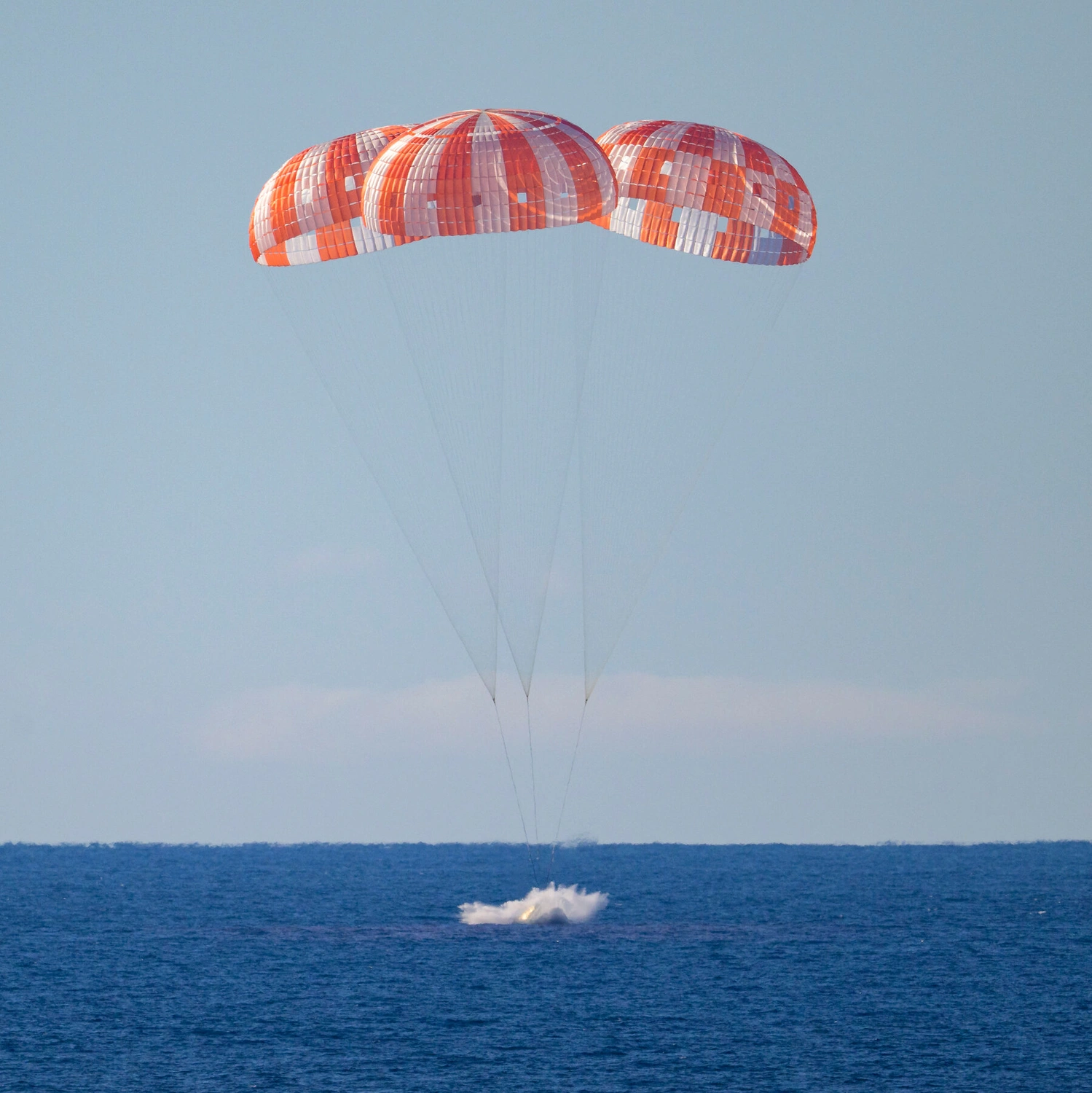
Artemis II has wrapped up a milestone mission by sending humans around the Moon for the first time since 1972, a historic journey that ended with a splashdown and a planned return to Houston on Saturday. The three Americans and one Canadian completed a lunar flyby that tests deep-space systems ahead of future Moon landings and crewed missions. The achievement marks a major stepping-stone in NASA's Artemis program, with engineers analyzing life-support, propulsion, navigation, and communications to pave the way for more ambitious goals.
As crews prepare to return to Houston, mission control teams are celebrating the safe completion of a journey that rewrites the timeline of lunar exploration. The mission served as a proving ground for capsule systems, crew procedures, and ground-software coordination needed for extended missions beyond low Earth orbit. Analysts say the data gathered here will shape the safety margins and design choices for Artemis III and subsequent flights.
Human-interest details are also catching public imagination. Some observers noted the atmosphere of quiet focus in mission control, while others highlighted the crew’s downtime in space—cocooned in sleeping bags and floating upside down, reports note they enjoyed some of the best sleeps of their lives. Scientists stress that rest and resilience are crucial for long-duration missions on the road to sustained lunar exploration.
Looking ahead, Artemis II sets the stage for Artemis III and future lunar exploration. The splashdown is not an ending but a turning point, signaling that sustained human presence around the Moon is moving from plan to practice and that what NASA learns now will inform the next steps for habitats, surface operations, and the cadence of future crewed missions.
