Trump backs two-week Iran ceasefire as Hormuz tensions ease

Trump backs two-week Iran ceasefire as Hormuz tensions ease
Trump agrees to a two-week ceasefire with Iran ahead of talks in Islamabad, halting counter-attacks and restoring safe passage through the Strait of Hormuz.
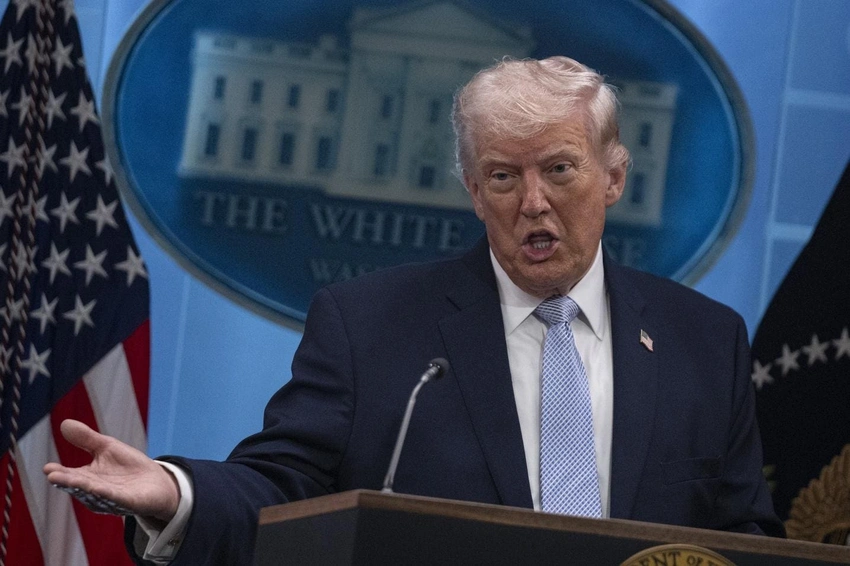
In a striking reversal, U.S. President Donald Trump announced a two-week ceasefire with Iran just hours before an 8 p.m. deadline, stating on Truth Social that the move marks a double-sided ceasefire and that long-term peace is within reach. The announcement comes after he warned that a “whole civilisation” could die if Iran did not reopen the Strait of Hormuz, a key chokepoint for global oil trade. The plan foresees Iran halting counter-attacks and restoring safe passage through the waterway, a pause many observers say could ease mounting regional tensions.
The deal was brokered by Pakistani Prime Minister Shehbaz Sharif, with Tehran and Washington set to meet in Islamabad on Friday to formalize terms. The agreement also reportedly includes a halt to Israel’s bombing campaign in Lebanon, though details remain fluid as regional actors respond to the evolving diplomacy.
Despite the claimed progress, headlines have highlighted the fragility of any ceasefire. Israeli officials reportedly confirmed discussions about suspending military actions, while some Israeli media cautioned that attacks continued in the interim. Gulf nations, along with Kuwait, Bahrain, Saudi Arabia, and the UAE, issued near-simultaneous alerts and activated air defences as the situation evolved.
Context remains dire: the war has claimed more than 5,000 lives across nearly a dozen countries, including over 1,600 Iranian civilians. The closure of the Strait already sent global oil prices higher, and forecasters warn fuel prices could stay elevated even after the waterway reopens. The ceasefire hinges on Iran lifting the blockade and restoring safe passage, with broad implications for energy markets, regional stability, and future diplomacy.
