Neurocutaneous Feedback Loops in Acne: How Stress Signaling and Skin Recovery Cycles Interact in Mod

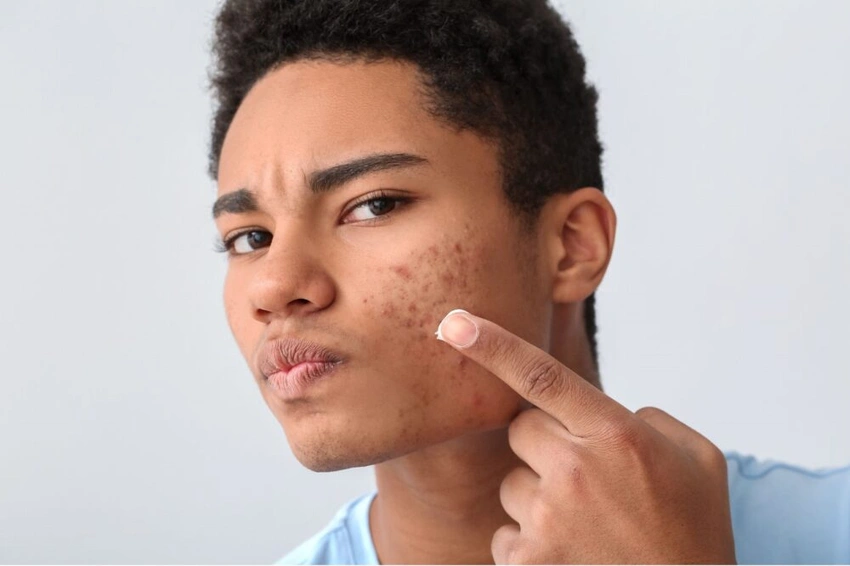
Neurocutaneous Feedback Loops in Acne: How Stress Signaling and Skin Recovery Cycles Interact in Mod
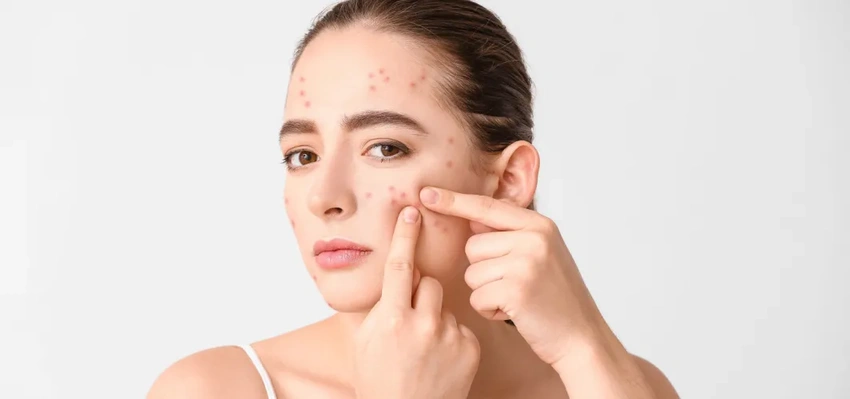
Understanding neurocutaneous communication and inflammatory feedback in acne-prone skin
Acne is no longer understood as a simple pore blockage issue. Modern dermatology increasingly recognizes it as a neurocutaneous condition where the nervous system, immune response, and skin barrier communicate continuously. This becomes especially relevant when individuals rely on an acne spot corrector gel 🔗 to manage sudden breakouts without addressing the deeper inflammatory signaling underneath.
The neurocutaneous system means that stress signals from the brain can directly influence skin inflammation. When stress hormones like cortisol rise, sebaceous glands become more active, inflammation increases, and the skin barrier weakens. This creates a feedback loop where emotional stress and physical skin response amplify each other.
Over time, this loop becomes self-sustaining. A small breakout triggers stress, stress worsens inflammation, and inflammation leads to more breakouts. This is why acne often persists even when external treatments appear consistent.
The hidden role of stress neurotransmitters in acne flare cycles
Skin contains receptors for neurotransmitters such as cortisol, substance P, and adrenaline. These chemical messengers influence oil production, blood flow, and immune response in the skin. When the body experiences chronic stress, these signals remain elevated, leading to prolonged inflammatory states.
Substance P, in particular, is known to increase sebum production and promote inflammatory acne lesions. This explains why acne often worsens during periods of emotional stress, lack of sleep, or cognitive overload.
In urban environments, this effect is amplified by environmental pressure. Noise pollution, irregular routines, screen exposure, and social stress all contribute to sustained neurochemical activation. As a result, acne becomes less about external hygiene and more about internal regulatory imbalance.
Barrier disruption as a signal amplifier
When the skin barrier is compromised, nerve endings in the skin become more exposed and reactive. This increases sensitivity not only to physical irritants but also to internal inflammatory signals.
A weakened barrier allows faster transmission of inflammatory mediators, meaning that even minor triggers can lead to exaggerated responses. This is why recovery from acne is often slower in individuals with repeatedly disrupted skin barriers.
The barrier does not just protect the skin physically; it regulates communication between the external environment and internal immune responses. When it is damaged, the feedback loop between stress and acne becomes stronger and more difficult to break.
Hormonal fluctuations and cyclical acne patterns
Hormonal shifts are one of the strongest contributors to acne recurrence. Androgens increase sebum production, while estrogen fluctuations can influence inflammation and hydration levels in the skin.
These hormonal changes interact with neurochemical stress responses, creating synchronized flare cycles. For example, during periods of high stress combined with hormonal imbalance, acne severity often increases significantly.
The key issue is not just hormone levels but how the skin interprets and responds to these signals. When the barrier is weak and inflammation is already elevated, hormonal shifts have a stronger visible impact on the skin.
Scientific insight: acne as an inflammatory neuroimmune condition
Recent dermatological research supports the idea that acne is a neuroimmune condition rather than a purely bacterial one.
acne involves complex interactions between sebaceous activity, immune response, and neuroendocrine signaling. The study highlights that stress-induced neuropeptides can significantly increase inflammatory responses in acne-prone individuals.
This shifts the focus from surface treatment alone to systemic regulation of inflammation and stress response. It also explains why treatments targeting only bacteria or oil production often fail to fully resolve chronic acne.

Recovery cycles and the illusion of healing
One of the most misunderstood aspects of acne treatment is the recovery illusion. When inflammation reduces temporarily, it is often mistaken for full healing. However, if the underlying neurocutaneous loop is not addressed, acne tends to return in cycles.
This is particularly common when individuals rely solely on spot treatments without supporting barrier repair or stress regulation. A short-term reduction in inflammation does not necessarily mean the skin system has stabilized.
Sustained improvement requires breaking the cycle at multiple points: reducing inflammation, restoring barrier integrity, and calming neurogenic triggers.
Building a multi-layered acne recovery approach
A more effective acne strategy involves addressing both internal and external contributors. This includes skincare, lifestyle, and stress modulation.
Key components include:
- Reducing inflammatory load on the skin through gentle cleansing
- Supporting barrier repair to reduce nerve hypersensitivity
- Managing stress through sleep and routine stabilization
- Using targeted treatments only for active lesions rather than overuse
- Supporting post-acne recovery to prevent pigmentation buildup
Each of these elements plays a role in breaking the feedback loop that sustains acne over time.
The importance of post-inflammatory regulation
Even after acne lesions heal, the skin remains in a reactive state. This phase is known as post-inflammatory sensitivity. During this period, the skin is more prone to pigmentation, redness, and reactivation of dormant lesions.
Without proper care during this phase, the same area can become a repeated site of inflammation. This is why long-term acne management requires attention even after visible breakouts subside.
Data insight: stress and acne correlation
A study on stress-related dermatological conditions found a clear correlation between psychological stress levels and acne severity. According to research published in the Journal of Clinical and Aesthetic Dermatology:
Stress and Acne Severity Correlation Study 🔗
participants with higher stress scores showed significantly increased acne lesion counts compared to low-stress groups. The study reinforces the idea that emotional and neurological factors directly influence skin inflammation.
This connection explains why acne often worsens during exams, workload pressure, or disrupted sleep cycles, even when skincare routines remain unchanged.
Breaking the neurocutaneous loop
To interrupt the cycle effectively, interventions must target both the skin and the nervous system response. This does not mean complex routines but rather consistent and balanced care.
When inflammation is active, calming the skin is more effective than aggressive treatment. When the skin is stable, maintaining barrier integrity becomes the priority.
This cyclical approach allows the skin to gradually reset its sensitivity threshold and reduce reactivity over time.
Conclusion
Acne persistence is often driven by a neurocutaneous feedback loop where stress, inflammation, and barrier disruption continuously reinforce each other. Understanding this interaction helps shift focus from quick fixes to long-term regulation of skin behavior.
In this context, a hydrocolloid acne patch 🔗 becomes a useful tool for isolated lesion management because it reduces external irritation while supporting controlled healing of active spots.
CTA
For deeper insights into modern acne science, barrier repair strategies, and skin behavior patterns, explore more curated skincare knowledge at the World of California 🔗, designed to help you understand skin beyond the surface.
FAQs
1. What is a neurocutaneous feedback loop in acne?
It is a cycle where stress signals from the nervous system trigger inflammation in the skin, which then increases stress and worsens acne.
2. Can stress alone cause acne?
Stress does not directly cause acne but significantly worsens existing acne by increasing inflammation and oil production.
3. Why does acne keep coming back in the same areas?
Repeated inflammation weakens local skin structures, making those areas more sensitive and prone to recurring breakouts.
4. How long does it take to break the acne feedback cycle?
It varies, but consistent skincare and stress management can show improvements within several weeks to a few months.
5. Are spot treatments enough for long-term acne control?
No. Spot treatments help manage active lesions but do not address underlying inflammation or barrier dysfunction.

Login to comment.
No thots yet. Be the first to share your thoughts!