Syria's Northern Push: Army Seizes Kurdish Towns as Kurds Clash

Syria's Northern Push: Army Seizes Kurdish Towns as Kurds Clash
Syrian forces press north, seizing Tabqa and pushing toward Kurdish-held towns as clashes flare and a Kurdish language decree reshapes the political landscape.
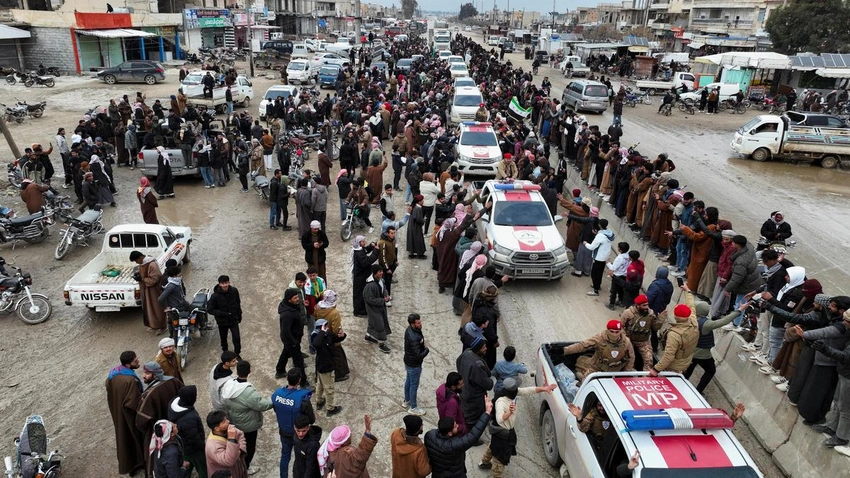
Northern Syria is entering a new phase of the conflict as government forces push deeper into areas long controlled by Kurdish-led authorities. In the latest developments, Damascus troops reportedly seized Tabqa town, with residents welcoming the arrival of troops and lining the streets in a rare show of support amid ongoing fighting. The move underscores a broader push to consolidate regime control in the north, where Kurdish-held pockets have remained a persistent challenge to Damascus’ authority.
Beyond Tabqa, the army has advanced toward Kurdish-held areas, with observers reporting clashes as units move to tighten supply lines and press further into contested towns. A key military airport in the region has been captured as part of the strategy, signaling not just a tactical win but a potential shift in the balance of power on the ground. The pace of these advances has raised concerns among civilians and aid groups about the immediate human impact, including displacement and disruptions to basic services in unsettled towns.
In another notable move, the government issued a decree recognizing Kurdish as a national language and granting the minority official status. The measure marks a significant political dimension in a region where linguistic and cultural rights have long been at the heart of debates about autonomy and inclusion within a centralized state. Analysts say the decree could influence, or complicate, ongoing discussions aimed at integrating Kurdish factions into a broader national framework, potentially altering the stakes of any future negotiations.
The confluence of military gains and political concessions appears to be reshaping the landscape of the conflict in the north. While authorities say the steps are aimed at restoring stability and sovereignty, opponents argue that the rapid advances and new language policy could harden positions and derail attempts at a diplomatic settlement. International observers caution that the next days will be crucial as the regime seeks to consolidate gains while civil authorities and humanitarian actors monitor the needs of civilians caught in the crossfire.
As Tabqa and other towns face renewed conflict and shifting governance, the priority for many remains clear: protection for residents, safe passage for those fleeing violence, and access to humanitarian aid. The coming weeks will reveal whether these military and political moves pave a path toward stability or perpetuate a cycle of disruption for communities across the region.
