DOJ Epstein Documents Spark Bipartisan Fallout and Fresh Contempt Talks

DOJ Epstein Documents Spark Bipartisan Fallout and Fresh Contempt Talks
bipartisan backlash grows as the DOJ releases Epstein files, with lawmakers threatening contempt and Trump weighing in on Clinton-related images.
WASHINGTON — The U.S. Department of Justice's slow release of thousands of documents tied to Jeffrey Epstein has ignited bipartisan anger on Capitol Hill. Lawmakers warned they may pursue contempt charges against the attorney general if access to the files isn't accelerated, arguing transparency is overdue for a case that has divided the public and the political divide for years. The dispute centers on how the material is being released and how much redaction is allowed, with critics saying the process is too protective of powerful figures and interests.
Two lawmakers, a maverick Republican and a progressive Democrat, said they are coordinating with other colleagues to push for full disclosure and, if needed, threaten fines or legal steps to compel the release after a 30-day window. The potential penalties discussed include daily fines, reflecting a broader fight over congressional oversight and executive branch accountability. A leadership bill in the Senate aims to authorize the appropriate legal steps to ensure Congress can access all materials covered by existing law.
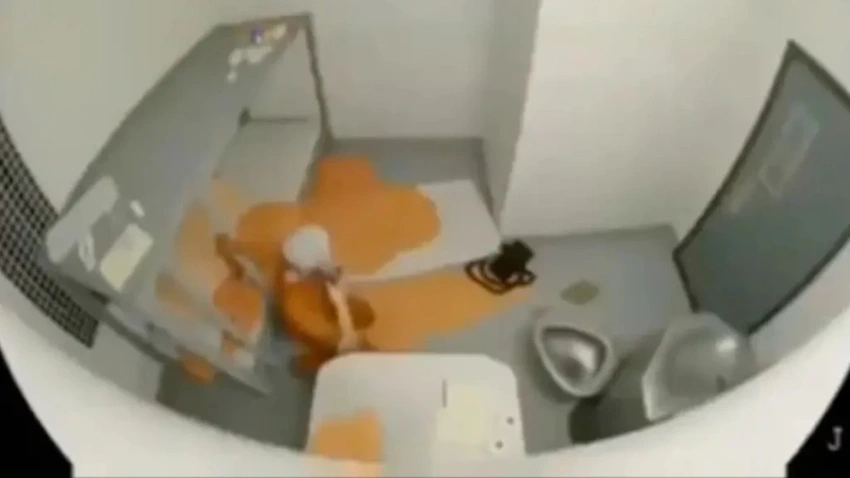
The controversy expanded with a separate, brief video clip reportedly showing Epstein moments before his death in a Manhattan jail cell. The 12-second clip appeared in the DOJ release but was later removed from the site, and officials offered no immediate explanation. Media reports questioned the clip's authenticity, highlighting the murky trail of leaked material and the challenges of verifying footage accompanying sensitive investigations. In parallel, a photo involving former President Bill Clinton briefly appeared and was restored after concerns about victim privacy and context.
Former President Donald Trump weighed in on images within the Epstein files, saying he dislikes some of the pictures but emphasized that Clinton is a public figure who can handle scrutiny. He argued that many individuals pictured had no direct involvement with Epstein and criticized the disclosure as being politically motivated. The episode underscores ongoing tensions over how such material should be released, redacted, and contextualized, while lawmakers seek greater transparency and accountability in the handling of sensitive investigations.
