Why Some Pimples Leave Marks for Months While Others Disappear Overnight
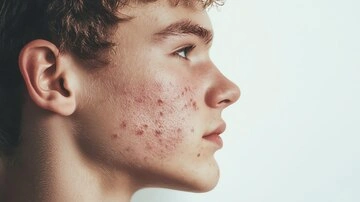
Why Some Pimples Leave Marks for Months While Others Disappear Overnight
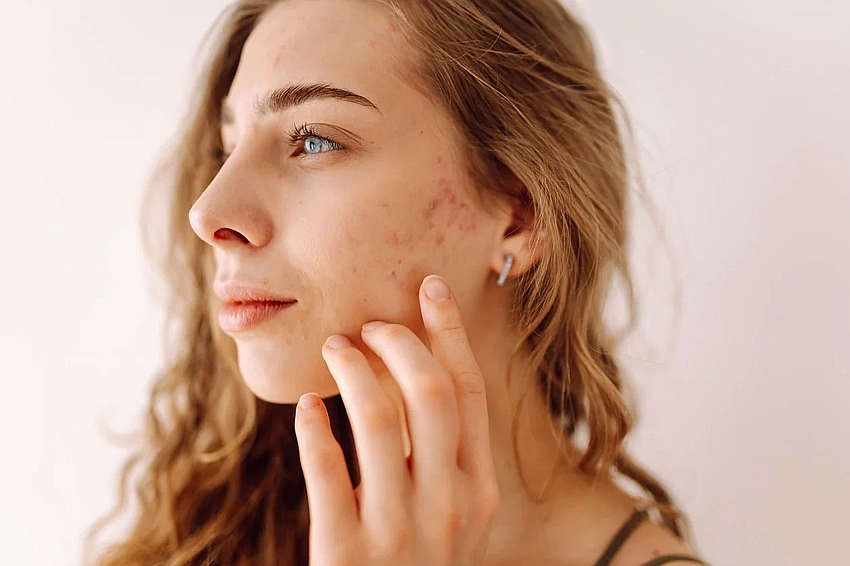
Almost everyone has experienced it. Two breakouts appear at the same time, receive similar treatment, and heal differently. One disappears within days while the other leaves behind a stubborn dark mark that lingers for months. This uneven healing process confuses many people because acne itself often seems unpredictable. However, skin remembers inflammation in ways most people do not realize.
The way a blemish heals depends on inflammation depth, skin barrier strength, picking habits, sun exposure, and even stress levels. Many people focus only on removing active acne while forgetting that the healing phase determines how long visible marks remain afterward. This is why products like a niacinamide serum combination skin 🔗 routine have become increasingly popular among people trying to manage both breakouts and uneven tone without overwhelming the skin.
Interestingly, post acne marks are not always scars. In many cases, they are signs of the skin’s repair process working overtime.
Your Skin Treats Every Pimple Like an Injury
A pimple may look small on the surface, but internally the skin treats it as inflammation that needs repair. Once pores become clogged with oil, bacteria, and dead skin cells, the immune system responds aggressively. White blood cells rush to the area, redness increases, and swelling begins.
The intensity of this inflammatory response often determines whether marks remain after the blemish heals.
Small surface pimples usually heal quickly because the damage stays near the top layer of skin. Deep cystic acne behaves differently. It creates inflammation far beneath the surface, damaging surrounding tissue and increasing the chance of lingering pigmentation.
Why Dark Marks Happen After Acne
Post inflammatory hyperpigmentation occurs when inflamed skin produces excess melanin during healing. This is especially common in medium to deeper skin tones where melanocytes respond more actively to irritation.
Several things can worsen post acne marks:
- Picking or squeezing pimples
- Excessive exfoliation
- Sun exposure without protection
- Aggressive acne treatments
- Weak skin barrier function
Many people accidentally prolong marks by trying too many harsh products at once.
Not Every Acne Mark Is a Scar
This is one of the biggest misconceptions in skincare. True acne scars involve structural damage to the skin. They may appear indented, uneven, or raised. Post inflammatory marks, however, are usually discoloration rather than texture damage.
These marks often fade gradually when the skin is supported properly. Hydration, barrier repair, and sun protection all play important roles in this process.
The Hidden Role of Skin Inflammation
Inflammation is not always visible. Sometimes skin remains internally irritated long after a breakout appears healed. This low level inflammation can slow recovery and trigger repeated breakouts in the same area.
Modern lifestyles contribute heavily to chronic inflammation:
- Poor sleep
- Stress
- Pollution
- Over cleansing
- Inconsistent skincare routines
- High sugar diets
When inflammation remains constant, the skin struggles to fully recover between breakouts.
Why Sunlight Makes Acne Marks Worse
Ultraviolet exposure can deepen pigmentation dramatically. Even mild sun exposure may darken healing marks and slow fading.
According to the American Academy of Dermatology, daily sunscreen use can help prevent skin discoloration and protect healing skin from further damage.
This is one reason many dermatologists encourage sunscreen use even for people who spend most of the day indoors.
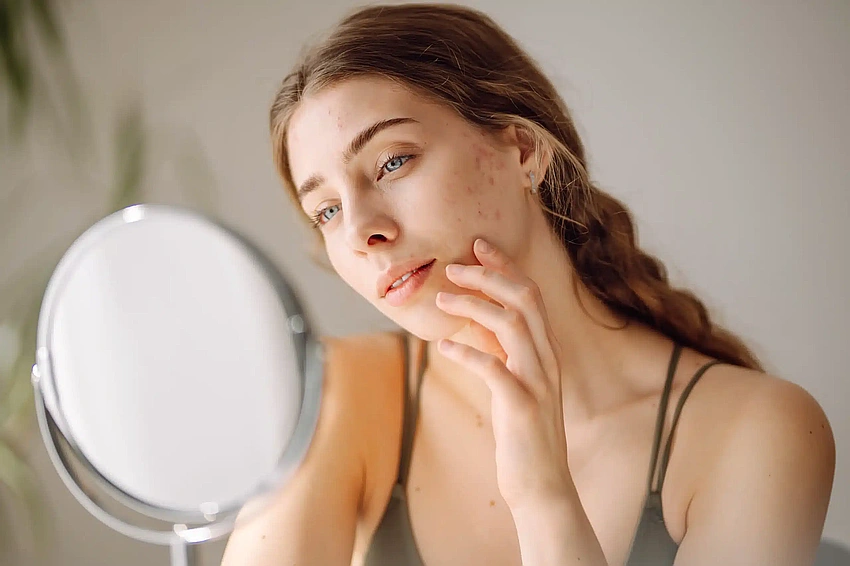
Why Some People Heal Faster Than Others
Healing speed depends on several biological factors:
- Genetics
- Skin tone
- Barrier strength
- Hormonal balance
- Immune response
- Sleep quality
Some people naturally regenerate skin cells faster, while others experience prolonged inflammation after even minor blemishes.
Age also matters. Younger skin generally repairs itself more quickly because collagen production remains higher.
The Problem With Over Treating Acne
Many people panic after seeing a breakout and begin layering multiple strong products together. This often backfires.
Over treating acne can damage the moisture barrier, leading to:
- Increased redness
- More irritation
- Slower healing
- Excess dryness
- Reactive oil production
A compromised barrier struggles to recover from inflammation efficiently.
Instead of aggressively attacking the skin, modern skincare increasingly focuses on supporting recovery while treating active acne gently.
Why Spot Treatments Became More Targeted
Older acne routines often involved drying the entire face with strong formulas. Today, people are shifting toward targeted blemish care instead.
This approach helps preserve healthy skin while focusing only on active areas. Overnight treatments, patches, and localized gels have become popular because they minimize unnecessary irritation.
Targeted care also reduces the temptation to touch or pick at pimples, which is one of the biggest causes of prolonged marks.
The Psychological Impact of Lingering Acne Marks
Many people feel more frustrated by the marks left behind than by the original breakout itself. A pimple may last one week, but the visible reminder can stay for months.
This can affect confidence, makeup habits, and even social behavior. Some individuals become trapped in cycles of overcorrecting their skin, constantly searching for instant results.
Understanding that skin healing is gradual can help reduce unrealistic expectations.
How Hydration Affects Recovery
Dehydrated skin heals less efficiently. When the barrier lacks moisture, inflammation can persist longer and healing slows down.
Hydration helps support:
- Barrier recovery
- Skin elasticity
- Reduced irritation
- Faster turnover
- Improved texture
This is why moisturizers remain important even for oily or acne prone skin.
Why Patches Changed Acne Care
One of the biggest shifts in modern skincare has been the popularity of acne patches. Unlike traditional harsh spot drying methods, patches create a protected environment that supports healing while discouraging touching.
A spot patch for acne can also help shield blemishes from external bacteria, friction, and picking habits during recovery.
Many people prefer this approach because it feels less aggressive and easier to incorporate into daily life.
The Future of Acne Recovery Is Barrier Focused
Skincare trends are increasingly moving away from extreme drying routines and toward balanced recovery focused care.
People now understand that healthy skin barriers often recover from breakouts more efficiently than irritated, stripped skin. The future of acne care may rely less on harsh treatments and more on supporting the skin’s natural healing processes.
This includes:
- Gentle cleansing
- Consistent hydration
- Sun protection
- Targeted treatment
- Barrier support
- Reduced irritation
The goal is no longer just removing acne quickly. It is helping skin heal well afterward too.
Conclusion
Acne healing is influenced by much more than the breakout itself. Inflammation depth, barrier strength, stress, hydration, sun exposure, and daily habits all affect whether blemishes fade quickly or leave behind long lasting marks. Understanding this process can help people approach skincare with more patience and consistency instead of relying on aggressive treatments that may worsen irritation.
Modern skincare increasingly focuses on supporting recovery alongside treating active acne. Gentle routines, barrier repair, targeted blemish care, and hydration can all contribute to healthier healing outcomes over time. Many people are now combining recovery based skincare with a non greasy sunscreen SPF 50 🔗 routine to help protect healing skin from pigmentation and environmental stress throughout the day.
CTA
Explore skincare solutions designed to support cleansing, hydration, acne care, barrier repair, sunscreen protection, and post blemish recovery at World of California 🔗. Discover routines built to help skin heal more comfortably and consistently.
FAQs
1. Why do some pimples leave dark marks?
Inflammation can trigger excess melanin production during healing, leading to post inflammatory hyperpigmentation.
2. Are acne marks permanent?
Many post acne marks fade gradually over time, especially with proper sun protection and barrier support.
3. Does picking pimples make marks worse?
Yes. Picking increases inflammation and can prolong healing while increasing the chance of pigmentation or scarring.
4. Why is sunscreen important for acne marks?
Sun exposure can darken healing marks and slow the fading process.
5. Can oily skin still become dehydrated?
Yes. Oily skin can lack water while still producing excess oil, especially if over cleansed or irritated.

Login to comment.
No thots yet. Be the first to share your thoughts!