Charli XCX's Music, Fashion, Film Review: Is There Anything Behind the Wink?

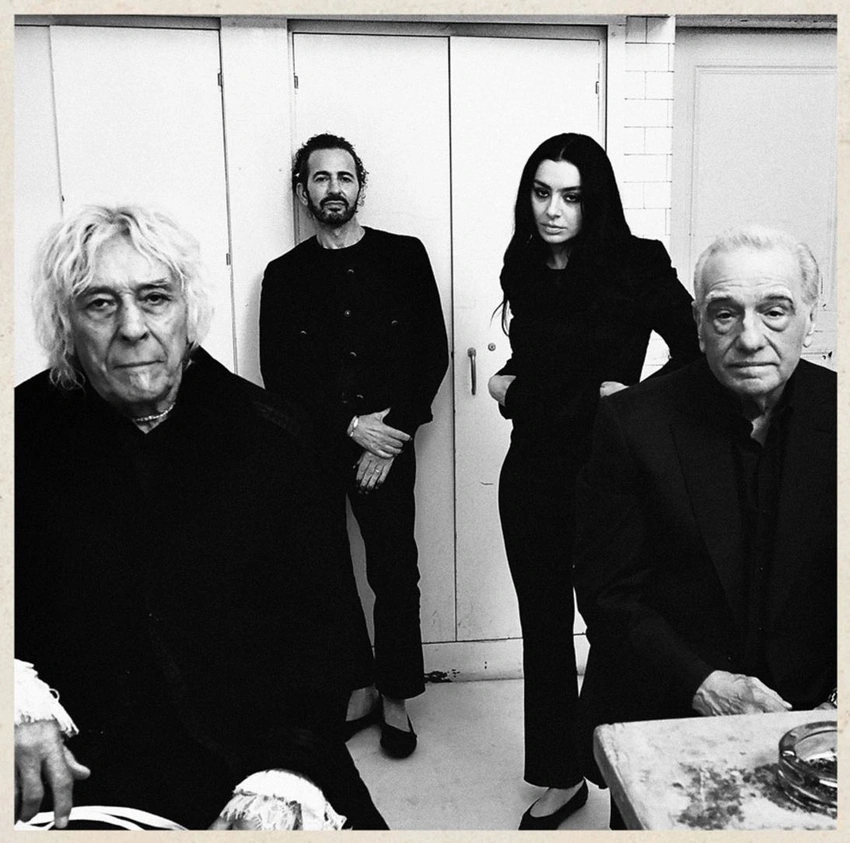
Charli XCX's Music, Fashion, Film Review: Is There Anything Behind the Wink?
Charli XCX's Music, Fashion, Film Review: Is There Anything Behind the Wink?
Charli XCX's Music, Fashion, Film dives into performance and irony, testing whether its wink reveals real meaning or simply a clever costume. A sharp, thoughtful take on Charli's bold shift.
Following the cultural earthquake of Brat, Charli XCX had a choice. She could either double down on the hedonistic futurism that made the album a phenomenon, or dismantle it altogether. Music, Fashion, Film chooses the latter, but not always convincingly.
This is an album obsessed with performance. Not simply the performance of pop stardom, but of irony itself. Every abrasive lyric, every knowingly clumsy phrase, every reference to fashion, celebrity and indie sleaze arrives wrapped in quotation marks. The record constantly gestures towards hidden meanings while daring listeners to ask whether there are any. It is an album built around the wink.
The problem is that a wink is only satisfying when there is something behind it.
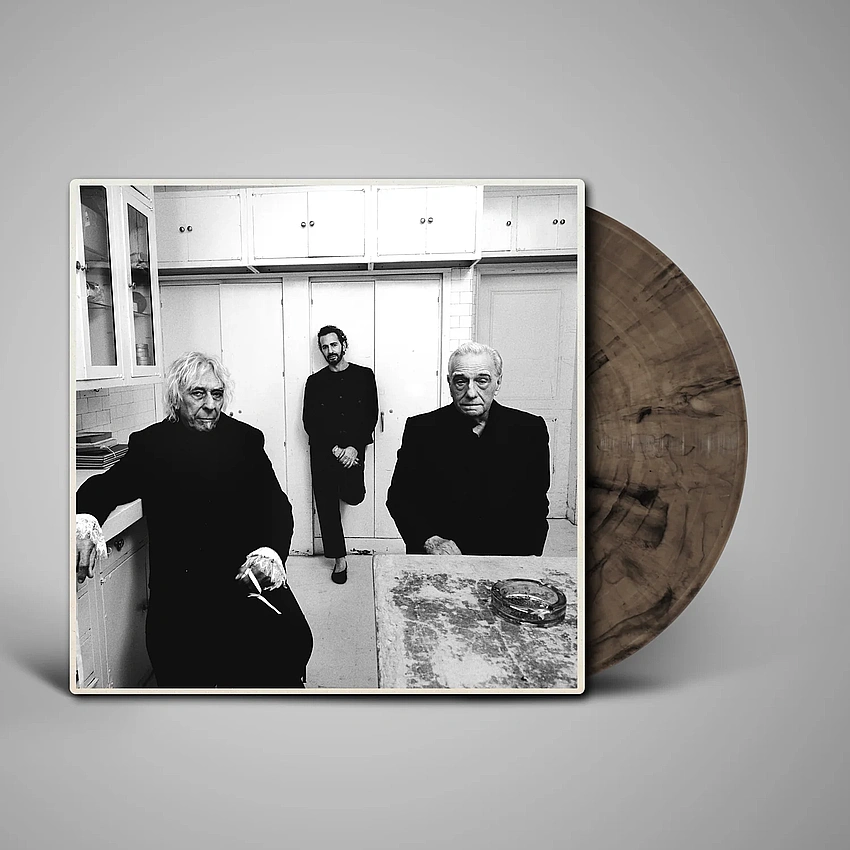
The death of Brat or simply another costume?
Much of the conversation surrounding Music, Fashion, Film has revolved around what it represents. Is this Charli abandoning hyperpop? Is it a satire of indie rock nostalgia? Is it another layer of self-mythology?
The album certainly invites those questions. Its title alone collapses three industries that have long informed celebrity culture into one aesthetic project. Music, fashion and cinema become interchangeable modes of image-making. Rather than presenting herself as a pop star, Charli presents herself as a cultural object moving between mediums.
Yet the record often feels more interested in provoking interpretation than rewarding it.
Several lyrics are intentionally juvenile, absurd and provocative. Their awkwardness seems calculated, as though they exist less to communicate an emotion than to trigger online debate. One can appreciate the refusal of polished pop lyricism while still asking whether replacing cliché with randomness automatically produces something meaningful. Self-awareness cannot endlessly substitute for substance.
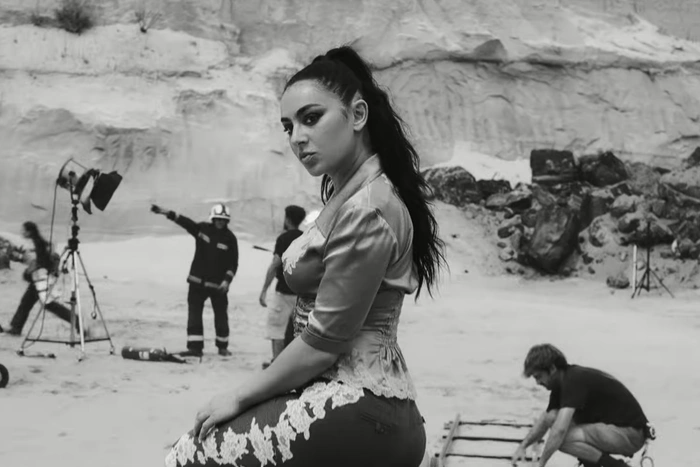
Nostalgia wearing tomorrow's clothes
For an artist once celebrated for pushing pop into unfamiliar territory, Music, Fashion, Film spends a surprising amount of time looking backwards.
The production borrows liberally from indie sleaze, early-2000s alternative rock and distorted dance music. There are flashes of excitement throughout, particularly when Charli allows the rougher textures to collide with her instinct for enormous hooks. But too often these influences feel like aesthetic references rather than genuine reinventions.
It is impossible not to compare this to Brat, whose greatest achievement was making experimental club music feel culturally inevitable. Here, experimentation gives way to collage. The album rummages through familiar signifiers of cool rather than discovering new ones.
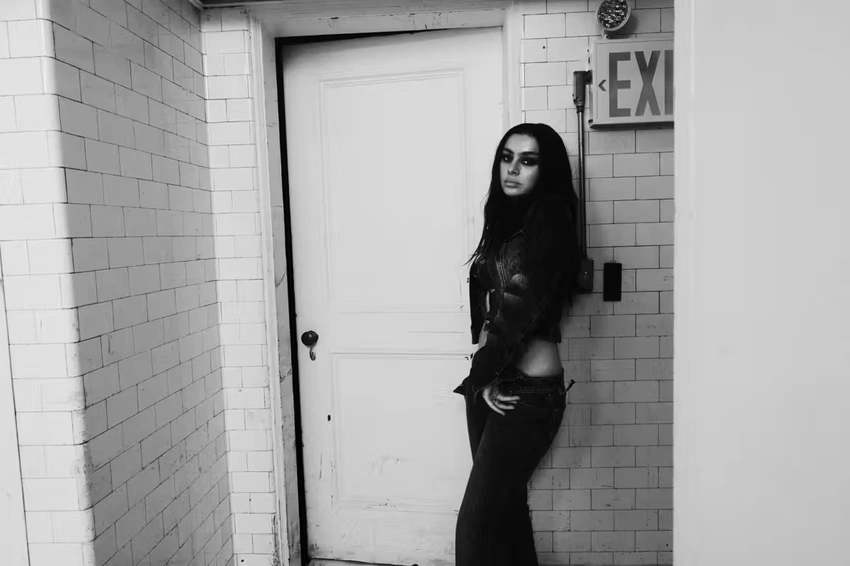
That does not necessarily make it unsuccessful. Nostalgia has become one of contemporary pop's dominant creative strategies. The issue is that Charli has rarely been an artist content with nostalgia. Her best records have anticipated trends before everyone else arrived. Music, Fashion, Film instead feels like it is documenting a scene that has already happened.
Pop in the age of engagement
The album becomes more interesting when viewed less as a collection of songs than as a commentary on internet culture.
Today's attention economy rewards spectacle over sincerity. Outrage travels further than nuance, and ambiguity generates infinitely more engagement than clarity. Within that environment, the line between artistic expression and algorithmic optimisation becomes increasingly difficult to identify.
Music, Fashion, Film understands this dynamic almost too well.
Many of its strangest moments feel designed to provoke endless discourse. Every awkward lyric becomes another argument on social media. Every aesthetic decision invites essays about authenticity, irony or performance. The album almost predicts the conversations that will emerge around it before anyone has finished listening.
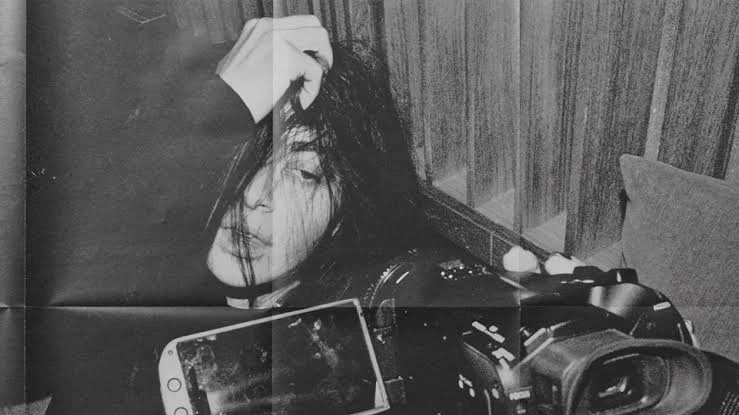
That is perhaps Charli's sharpest observation. Online culture has transformed interpretation itself into content. The audience no longer simply consumes pop music. It endlessly performs its consumption through reactions, theories and debates.
Yet there is an irony here. In exposing the mechanics of engagement, the album occasionally becomes trapped within them.
Style over structure
Even musically, Music, Fashion, Film rarely sustains its strongest ideas.
Many tracks begin with exhilarating energy before settling into repetitive harmonic loops that never quite develop. The blown-out production, distorted guitars and abrasive electronics provide texture, but texture alone cannot carry an album. Once the initial shock fades, several songs reveal surprisingly slight foundations.
This is where the record differs most dramatically from Brat. That album balanced experimentation with undeniable songwriting. Here, the aesthetic frequently overshadows the composition itself.
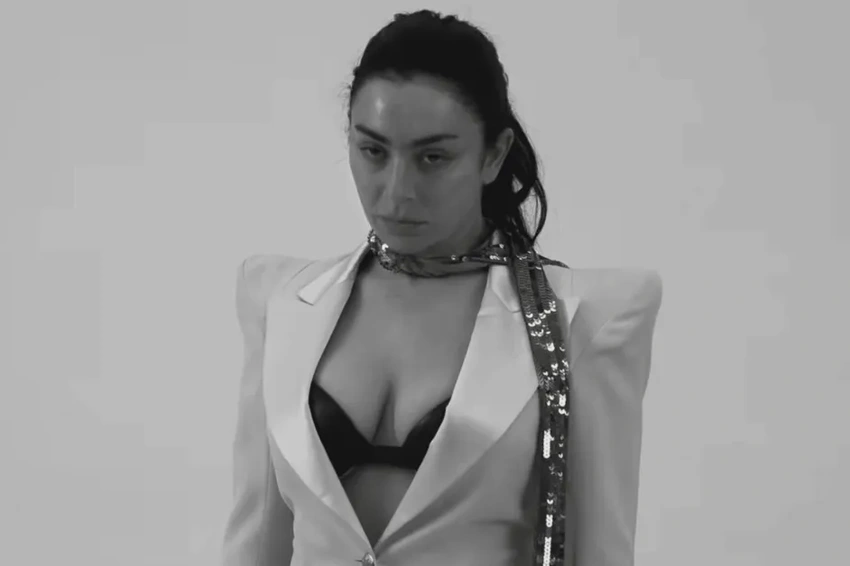
There are still exhilarating moments. Charli remains one of pop's most charismatic performers, and even her weaker material possesses an undeniable confidence. But confidence alone cannot disguise when provocation begins to replace invention.
An album fascinated by appearances
For all its frustrations, Music, Fashion, Film remains undeniably fascinating.
Not because it reinvents pop, but because it exposes the strange economy surrounding contemporary pop stardom. Celebrity now exists across playlists, fashion campaigns, Instagram feeds and film culture simultaneously. The album recognises that musicians are expected to be brands before they are artists, personalities before they are songwriters.
Its title turns out to be less a description than a diagnosis.
Whether intentionally or not, Music, Fashion, Film captures a moment when image threatens to eclipse creation. It is an album constantly asking to be interpreted, sometimes at the expense of being enjoyed. Perhaps that is its central paradox. Charli XCX has made a record about the exhaustion of performance that never quite stops performing itself.
#CharliXCX #MusicFashionFilm #BratEra #IndieSleaze #Hyperpop
