Delhi Battles Record Pollution as Dense Fog Disrupts Flights

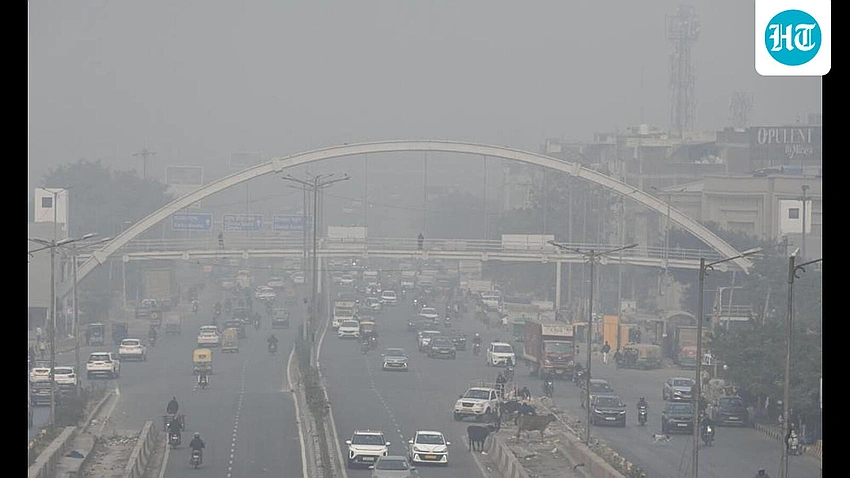
Delhi Battles Record Pollution as Dense Fog Disrupts Flights
Delhi grapples with very poor air quality as dense fog drives flight delays; officials plan air purifiers for 10,000 classrooms to curb pollution.
Delhi is wrestling with hazardous air quality as a dense fog blankets the capital and the overall air quality index sits in the very poor range. CPCB data shows the city’s AQI at 387 at 6 am on Friday, signaling a day of choking smog that has become all too familiar this month. So far this December, eight straight days have fallen into the very poor category, with the month’s average AQI reaching 343 – the second-worst for the period since CPCB began bulletins in 2015. If this year’s December comparisons hold, the capital could be staring at one of its most polluted Decembers on record.
In an effort to combat deteriorating air conditions, the Delhi government announced a plan to install air purifiers in 10,000 classrooms across the city. The move aims to shield students from the worst of the pollution during school hours, even as outdoor air remains perilous for daily activities. Dry weather has aggravated the situation, with Safdarjung reporting no measurable rainfall so far this December, meaning pollutants are not being washed from the air.
The pollution is not the only challenge for residents and travelers. A dense fog has reduced visibility across parts of northern India, triggering flight disruptions in Delhi and at other major hubs. Airlines including Air India, IndiGo and SpiceJet issued advisories warning that morning fog could lead to delays or cancellations. Passengers were urged to check status updates, with some airlines offering options to reschedule or cancel without extra charges. The Delhi airport confirmed that several departures and arrivals were affected as crews work to manage the reduced visibility.
Within the city, pollution levels varied by locality, with Anand Vihar reporting an AQI well into the severe range at 437, and other pockets such as RK Puram and Sirifort also recording readings in the severe bracket. The day’s air quality underscores the challenge posed by traffic, construction and regional emissions, especially when weather conditions trap pollutants close to the ground.
Authorities stress that sustained improvements will require reducing pollution sources in the longer term, including transportation, industry and waste burning. In the meantime, residents are advised to limit outdoor activity during peak pollution hours, wear protective masks where appropriate, and monitor daily AQI reports to plan travel and outdoor plans accordingly.
