Art vs. Politics: Can We Still Love the Music, Not the Message?

Art vs. Politics: Can We Still Love the Music, Not the Message?
When our favorite artists speak out, it sparks a debate: can we separate their art from their political views? A rock legend recently sought "common ground" with fans. Where do YOU draw the line?
The line between art and the artist's personal politics has always been blurry, but in today's polarized world, it feels less like a line and more like a battleground. We adore the songs, the films, the stories that move us, but what happens when the creator behind them uses their platform to express views we vehemently disagree with?
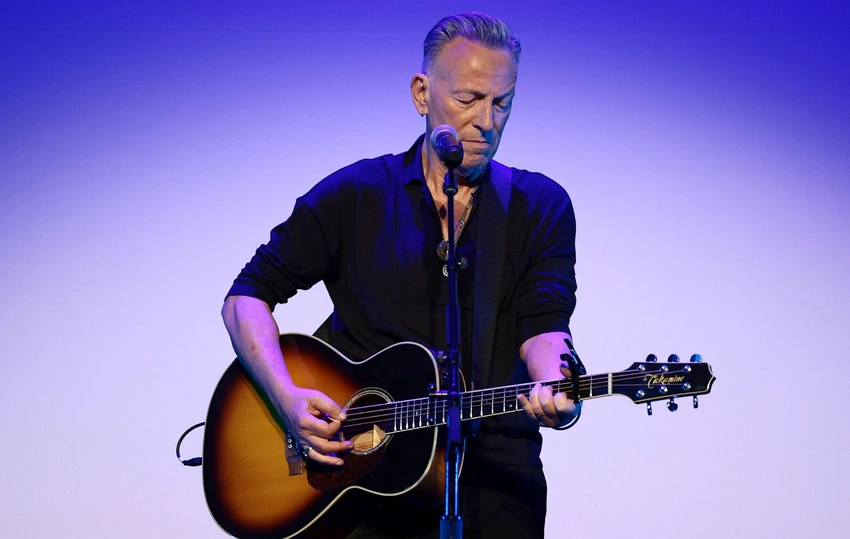
Recently, a rock legend known for his powerful narratives and working-class anthems acknowledged this very dilemma. He spoke openly about how his outspoken political stances have alienated some long-time fans, and expressed a desire to find “common ground.” This isn't just about one artist; it's a reflection of a wider societal friction.
For many, art is meant to transcend daily squabbles, a sanctuary where universal themes of love, loss, and rebellion can be explored without the baggage of partisan divides. They argue that judging art solely on the artist's politics diminishes its value and limits our cultural landscape. Can't we enjoy a masterpiece even if its creator holds beliefs we find abhorrent? The skill, the emotion, the sheer creative genius—surely that stands apart?
Then there are those who believe art is inherently political, whether overtly or subtly. They see the artist's platform as a responsibility, a megaphone for their conscience. For them, supporting an artist whose values clash with their own feels like a betrayal, a tacit endorsement of those views. How can you separate the art from the person who made it, especially when that person actively uses their public identity to push a certain agenda?
This isn't an easy question. On one hand, shutting off art because of political differences feels restrictive, potentially denying ourselves profound experiences. On the other, ignoring an artist's controversial actions or words can feel like moral compromise.
Perhaps the “common ground” the legend spoke of isn't about agreeing on politics, but agreeing on the value of the art itself, or even the right to express differing views. Maybe it's about holding space for both admiration and disagreement. It asks us to be nuanced consumers, capable of appreciating talent while still critically engaging with the world views presented, or even those separate from the art.
Ultimately, the decision rests with each individual. Can you separate the art from the artist? Or are they forever intertwined in your mind? It's a question that continues to shape our cultural consumption and our conversations.
